

- April 14, 2023 at 2:25 PM
-
47.3K
Selected works by Janine Pendleton
Below is a glimpse of Janine Pendleton's work, featuring just a few examples. On her official website, you’ll find hundreds of photographs organized by country, as well as trip descriptions, including behind-the-scenes details.
USA
The Story of an Old Abandoned Locomotive
This vintage American locomotive sits on a parking lot, weighing approximately 235 tons. It captivates with its rusted grandeur. Janine has a special love for trains and was delighted to include this site during a 2018 road trip in the U.S. With special permission, she captured just a few photos but wished she had more time.
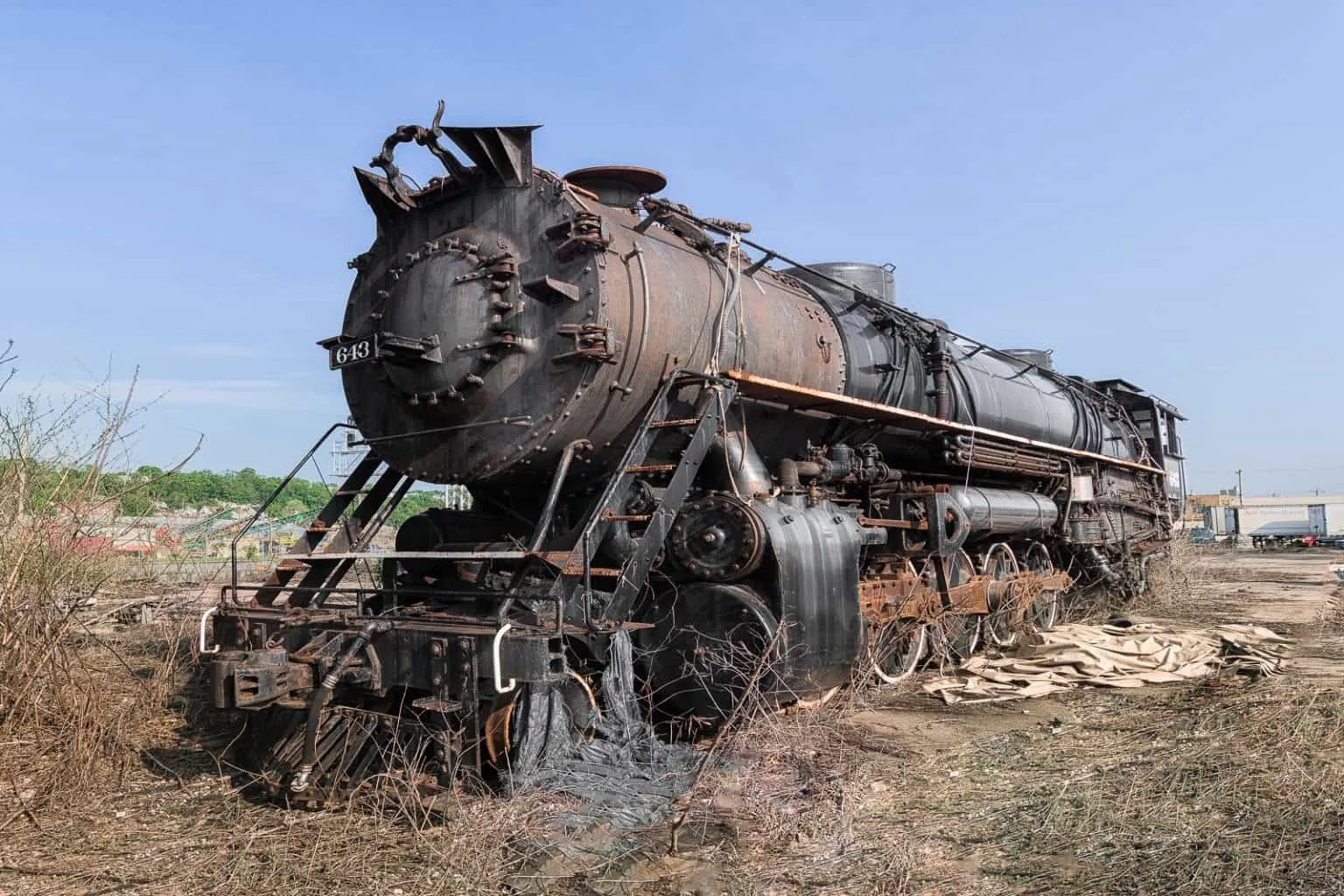
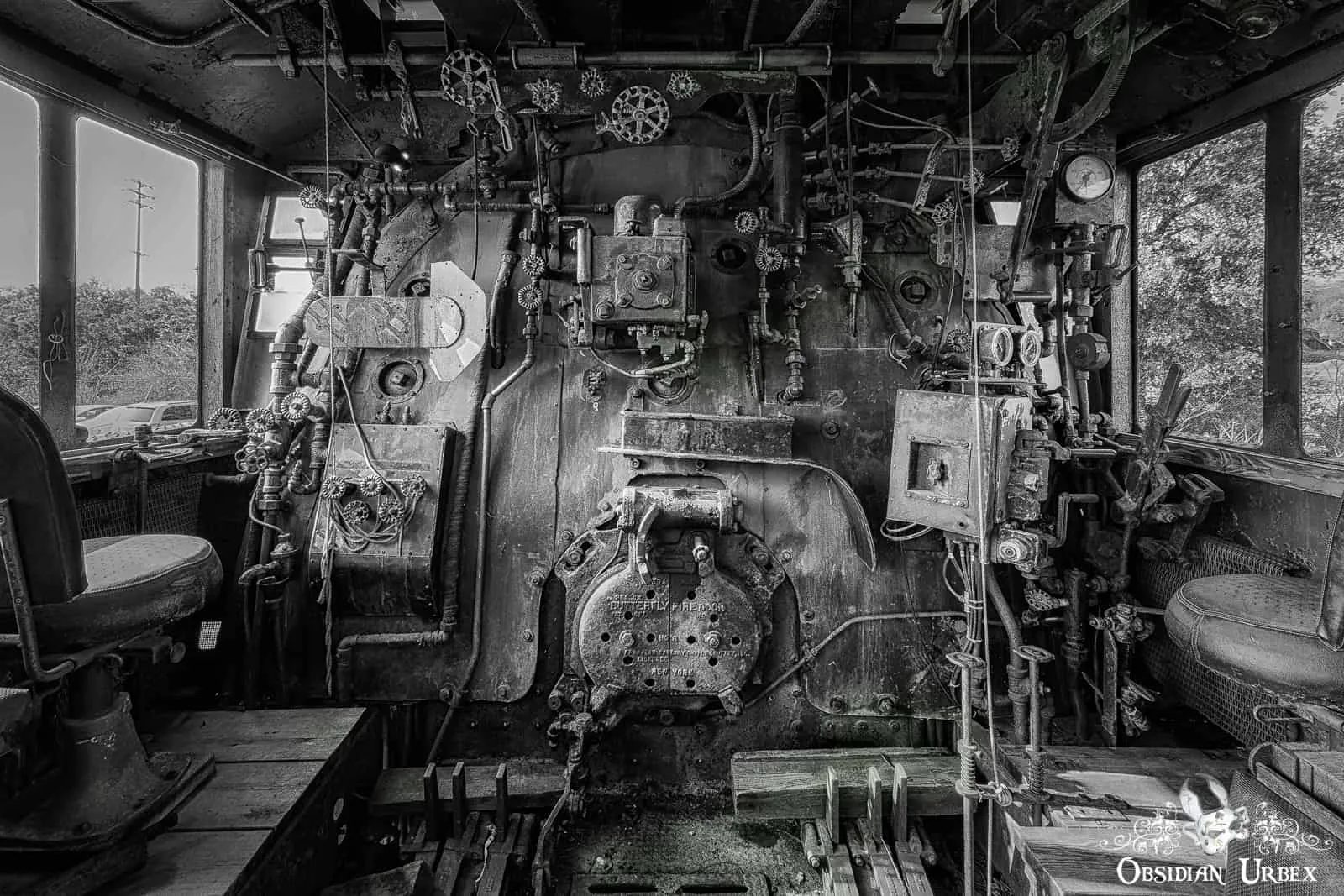
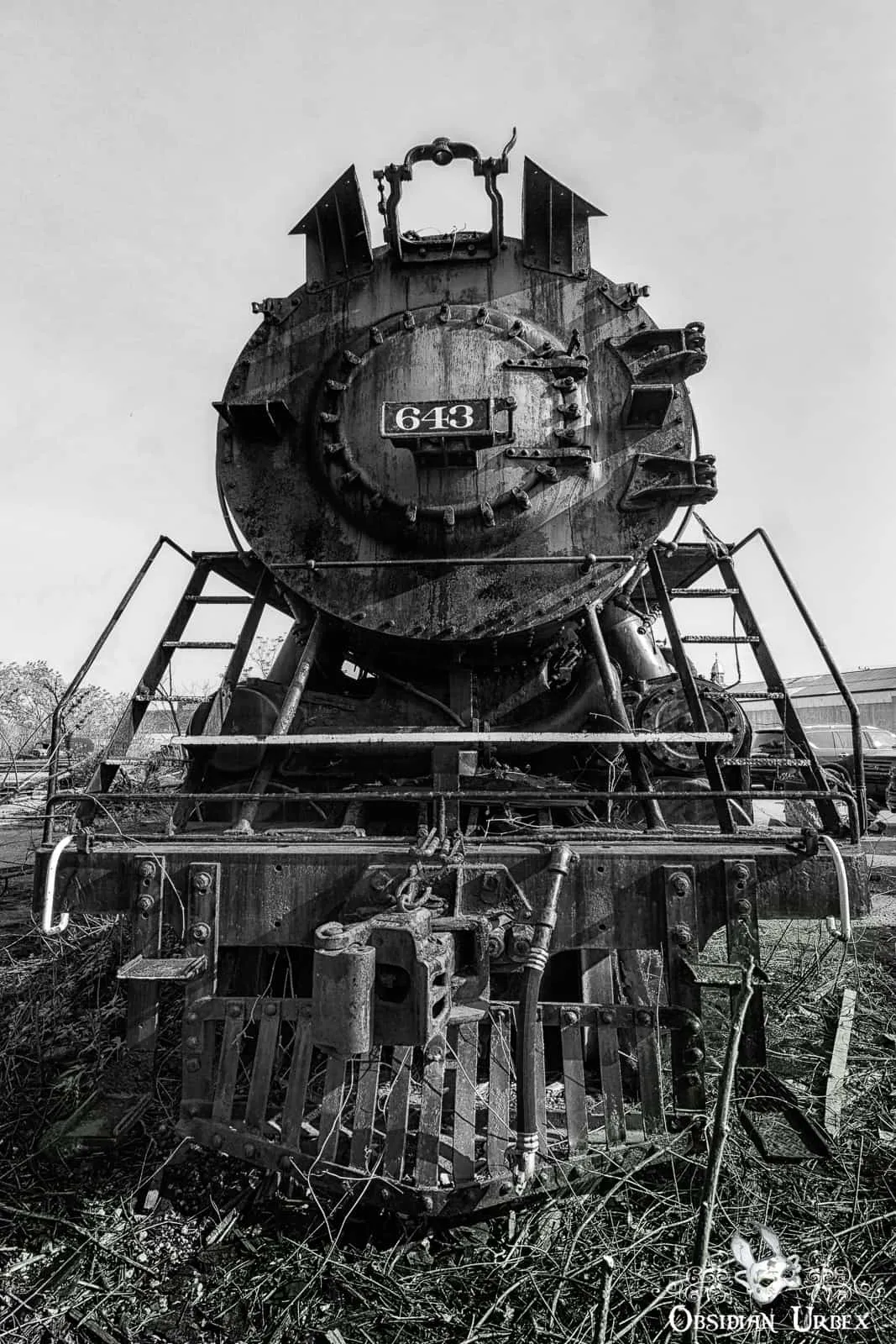
The locomotive was built in the 1940s and falls under the “Texas” type, featuring two front wheels, ten driving wheels, and four trailing wheels. Diesel engines began replacing steam engines during WWII due to lower maintenance and staffing needs. The factory that produced this train shut down in the 1950s, and in the 1980s, the locomotive was bought and transported to its current storage site, where some boiler restoration was attempted. However, the control systems were never repaired, and the train remains stationary, facing an uncertain fate as certification of steam engines becomes increasingly difficult.
VW Beetle Graveyard
Deep in a forest lies an abandoned VW Beetle car graveyard, where hundreds of Beetles and campers lay in final rest. Janine visited this site on a rainy spring day in 2018, gaining permission from the owner. It’s a junkyard specializing in German cars and seems to have ceased operations years ago.
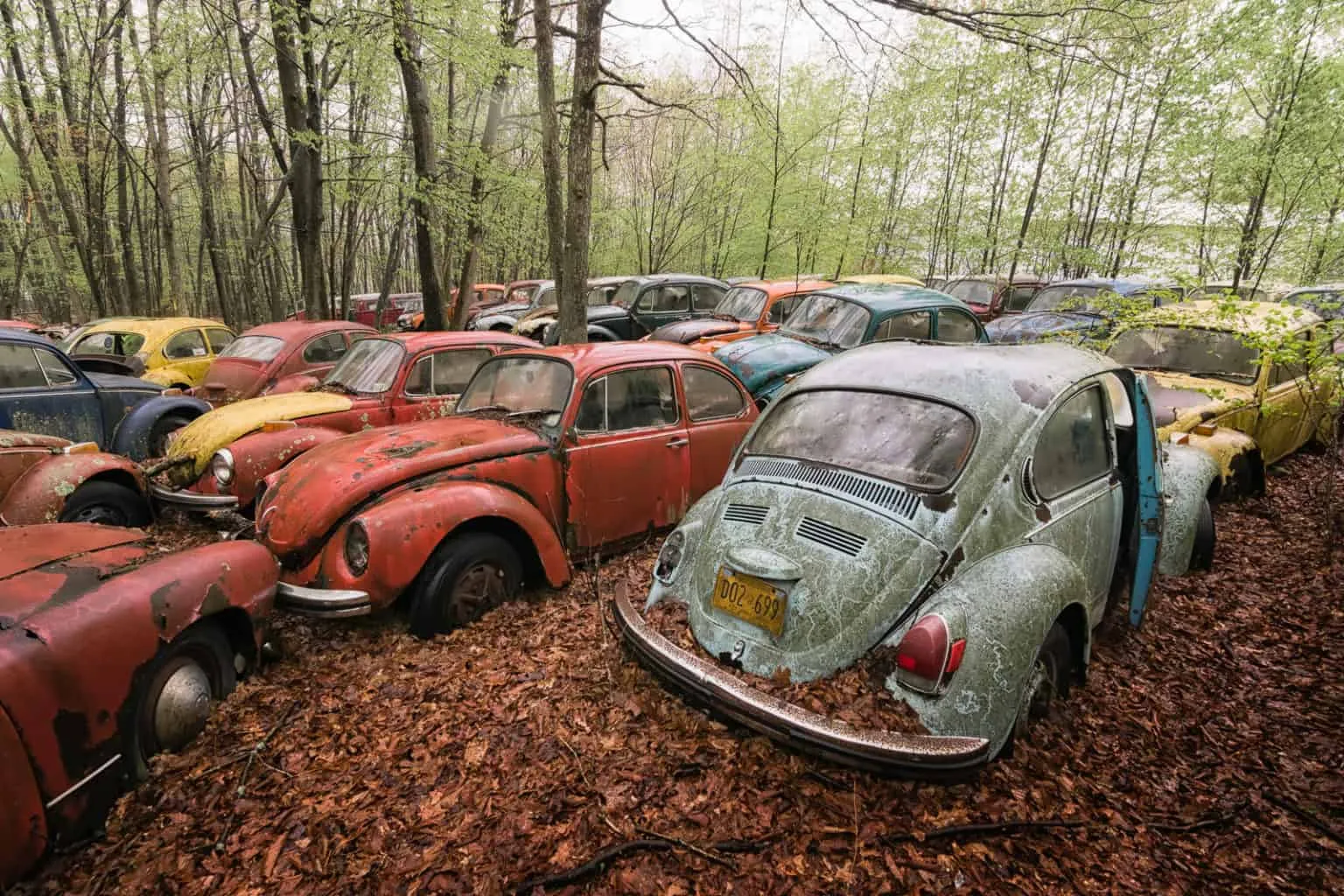
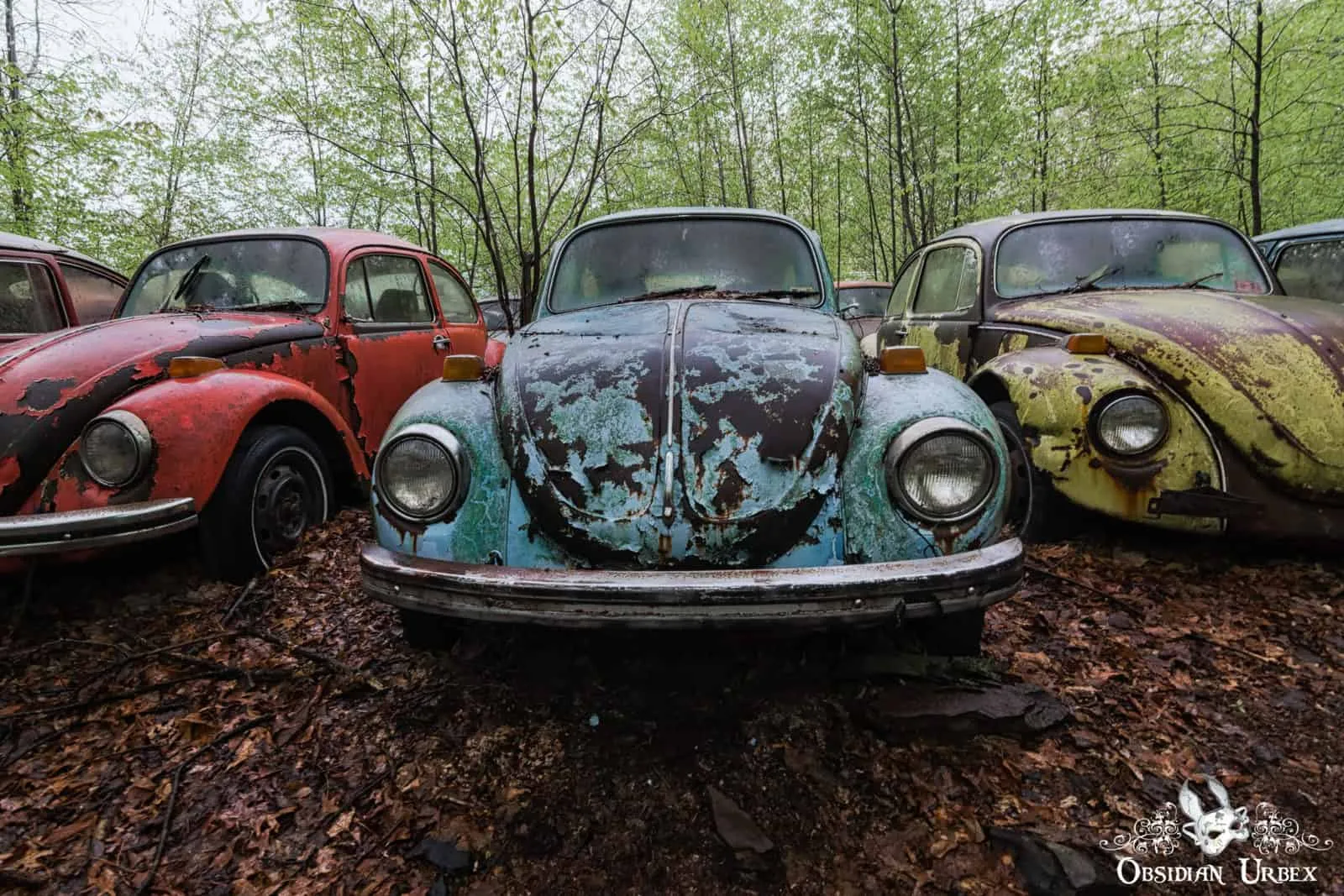
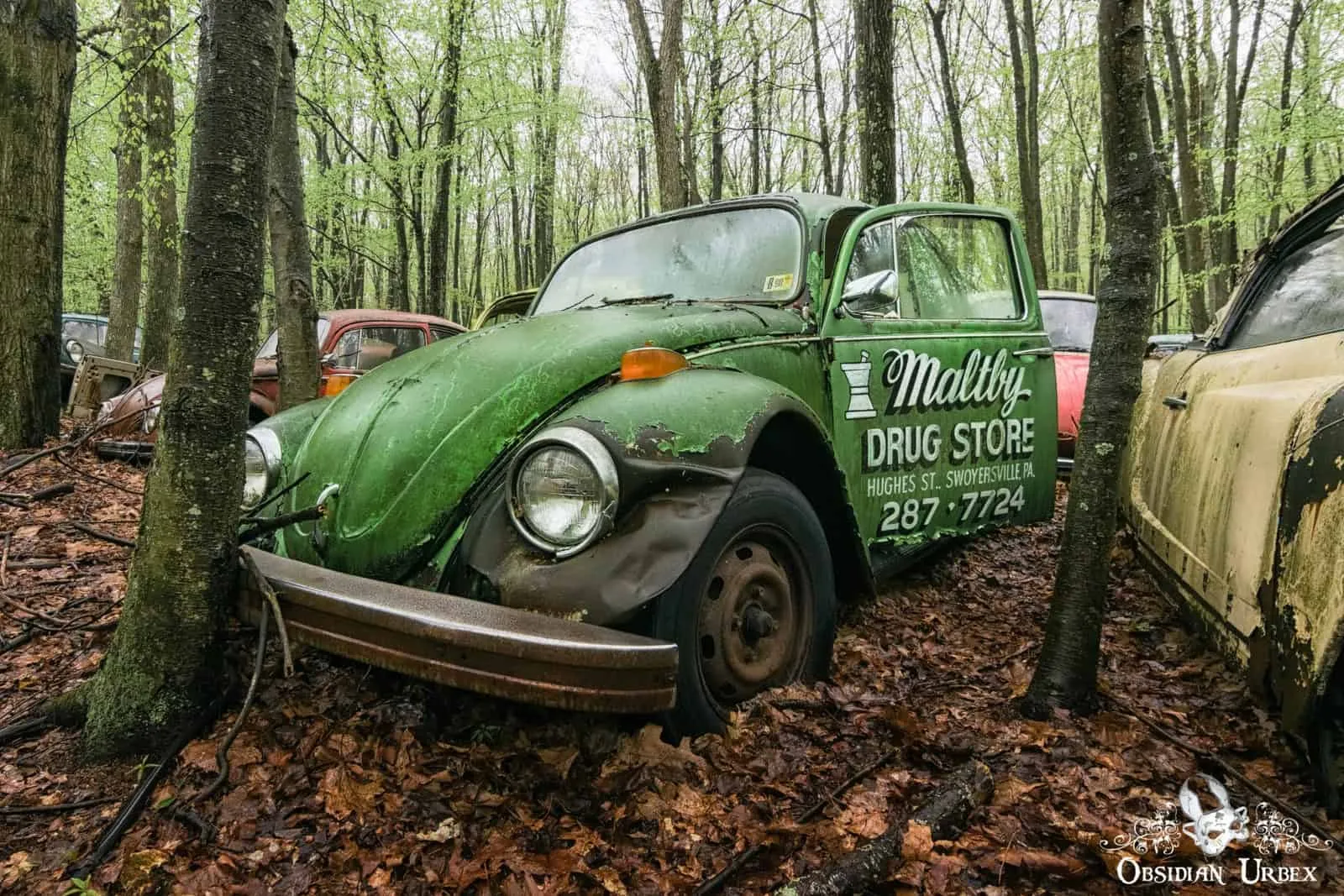
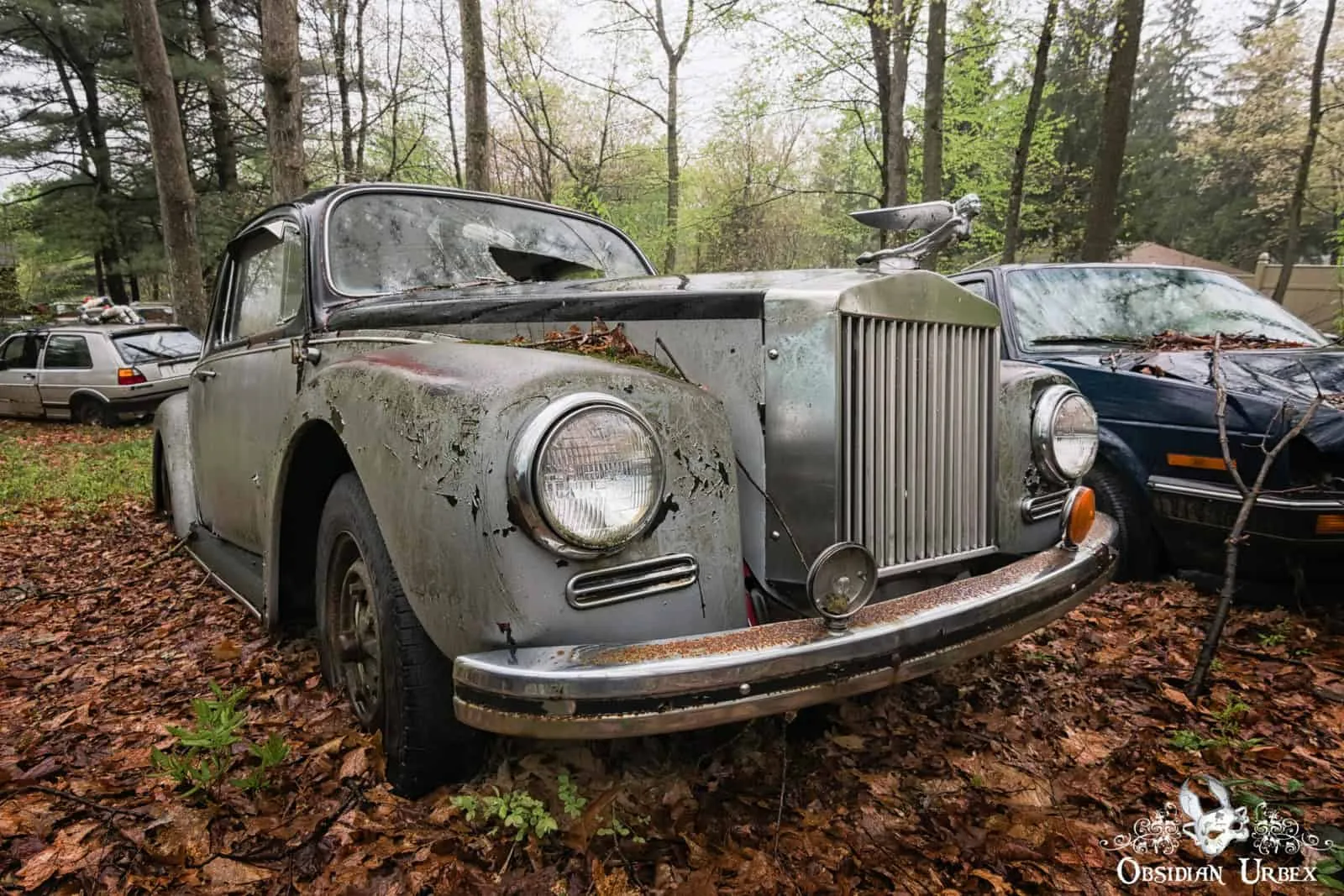
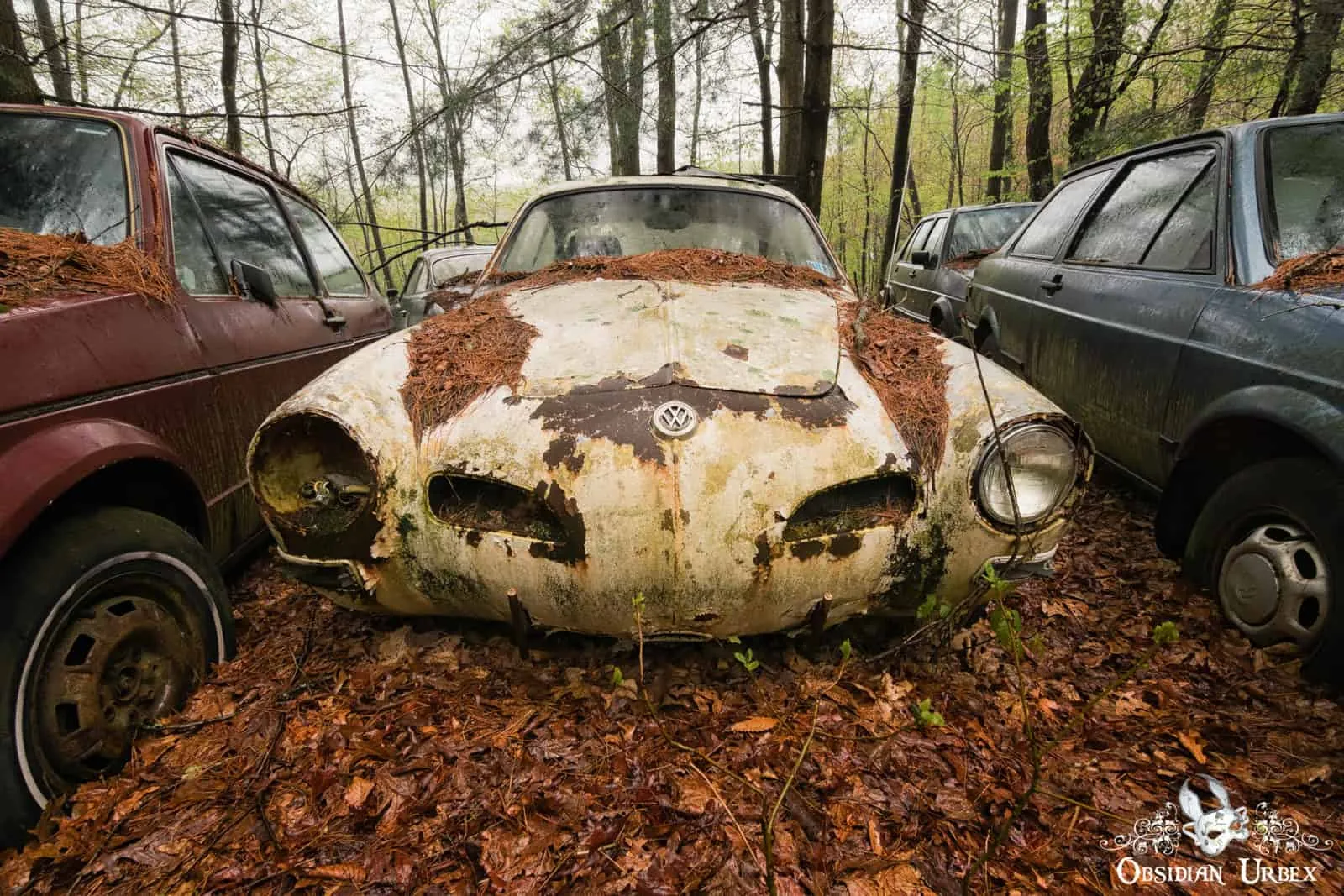
Most cars remain whole, though some parts were likely removed for resale. Piles of doors can be seen stacked beside trees. Besides VW Beetles and campers, there are other models like the VW Golf and even a Volkswagen Karmann Ghia, designed with Italian styling.
Eastern State Penitentiary
Eastern State Penitentiary operated from 1829 until 1971. It was abandoned for over ten years, during which stray cats inhabited the grounds and nature began to reclaim it. In 1994, the prison reopened for historical tours.
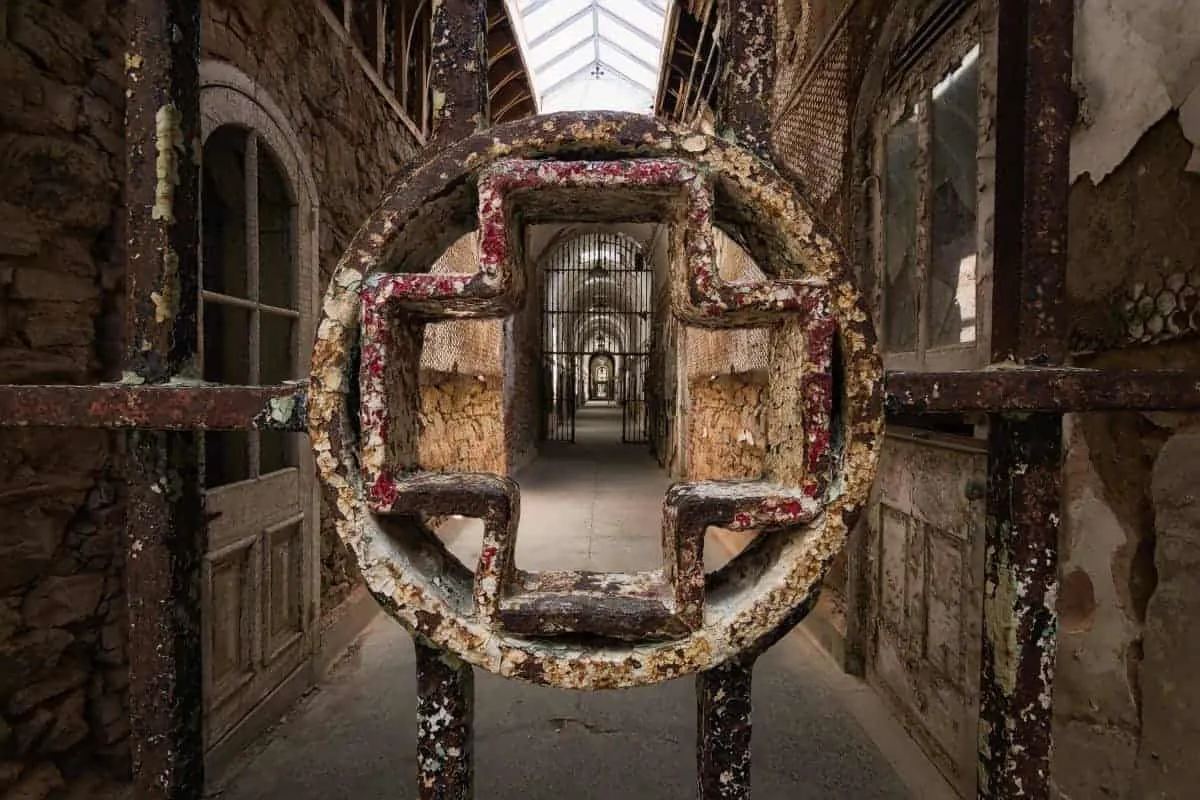
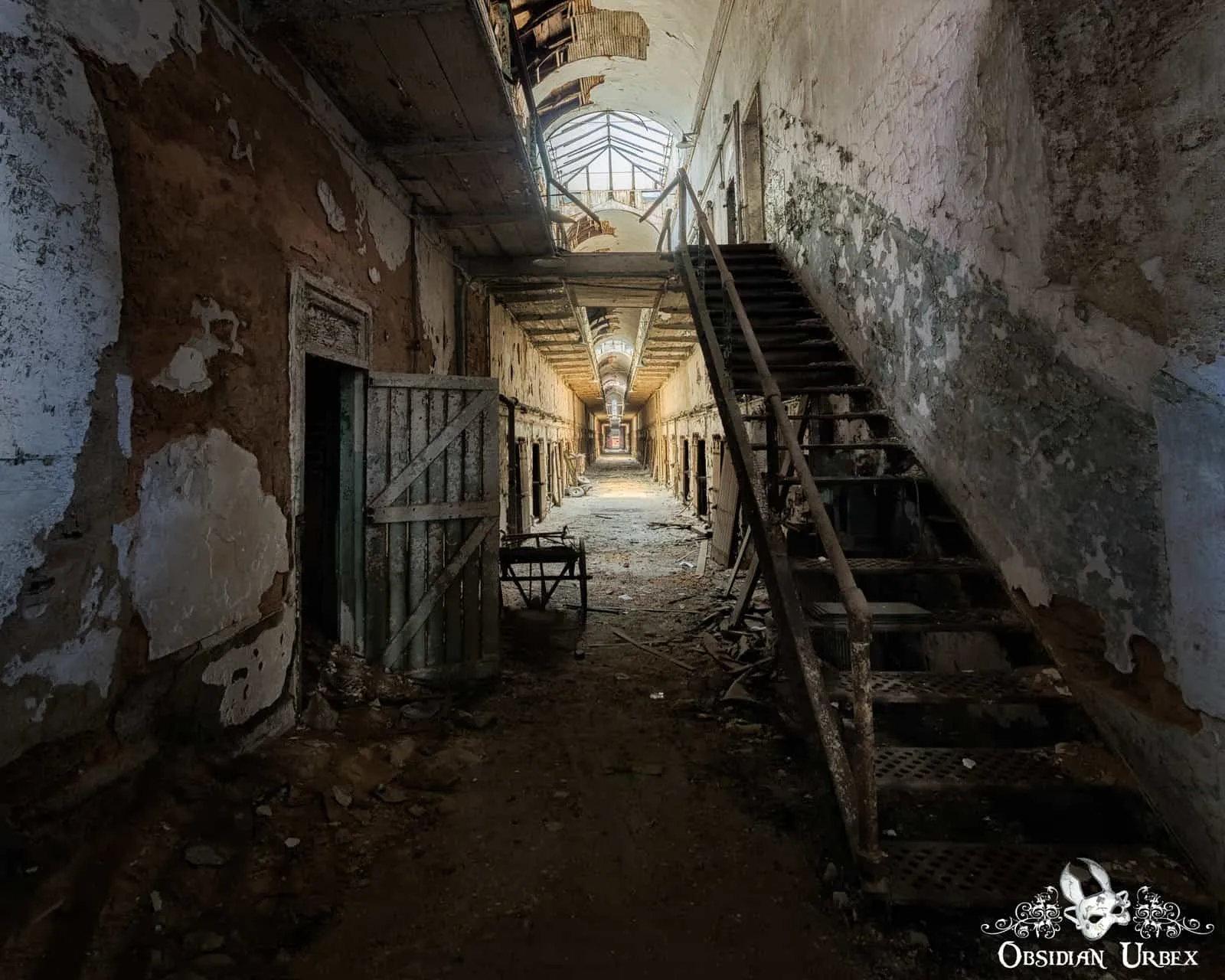
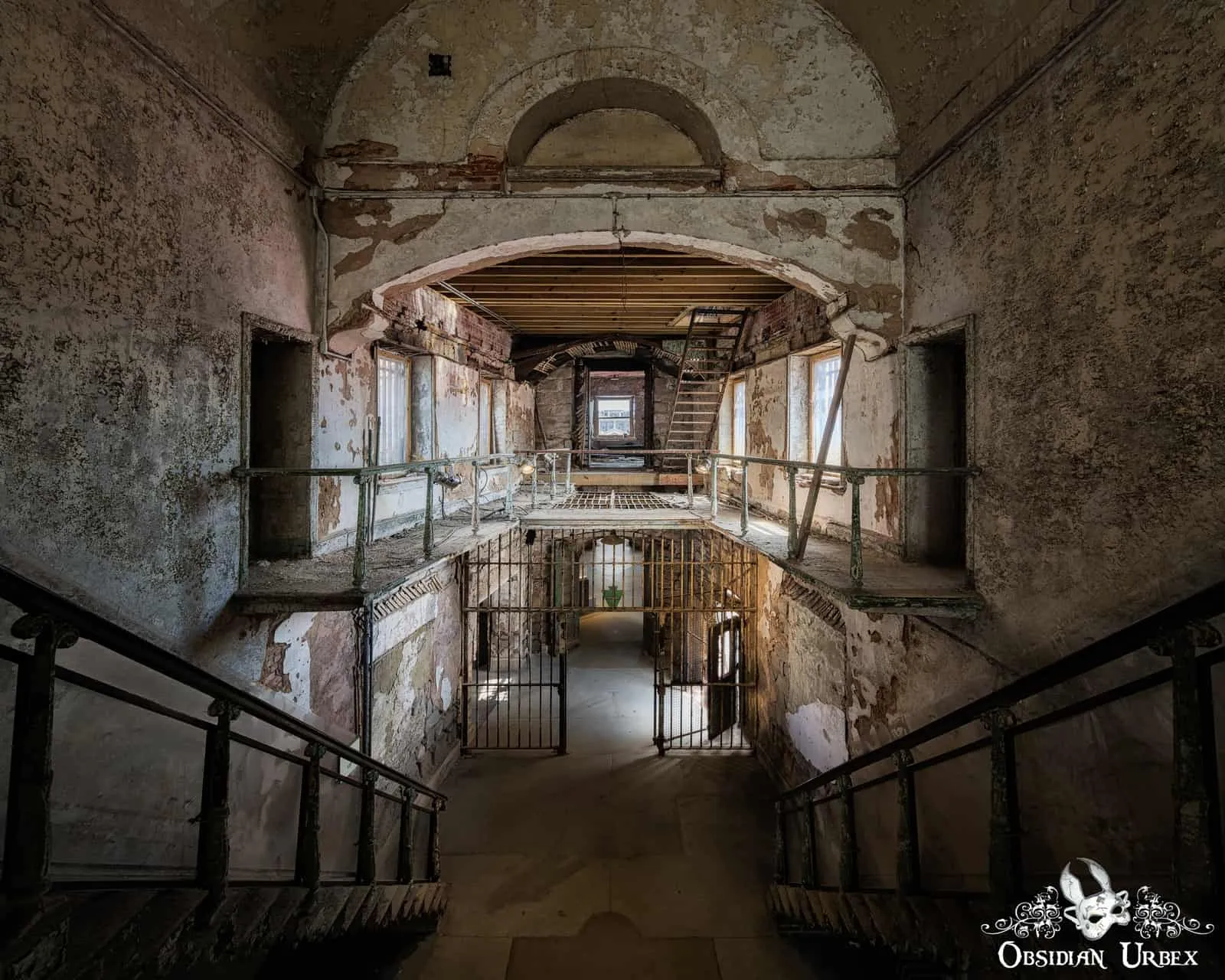
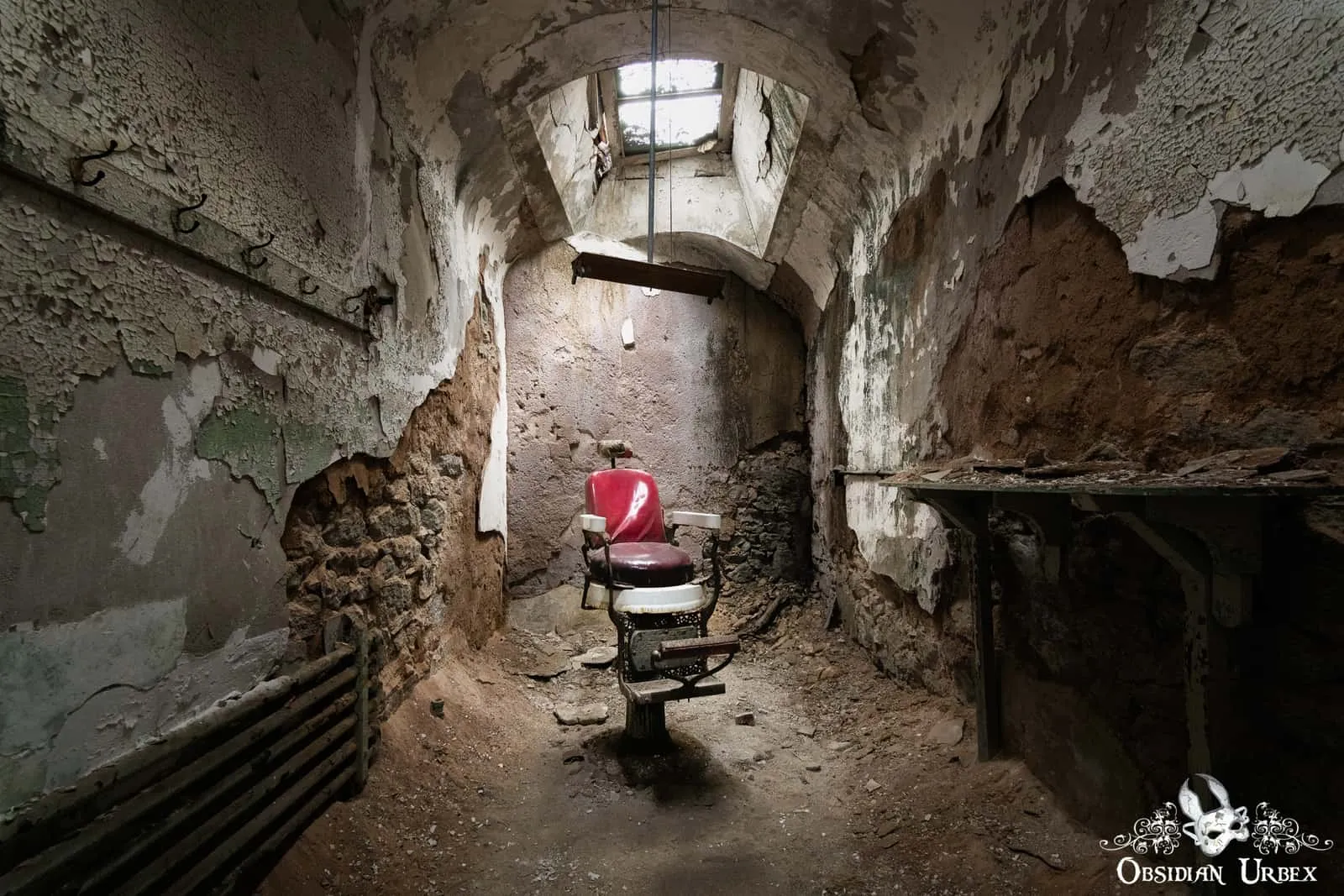
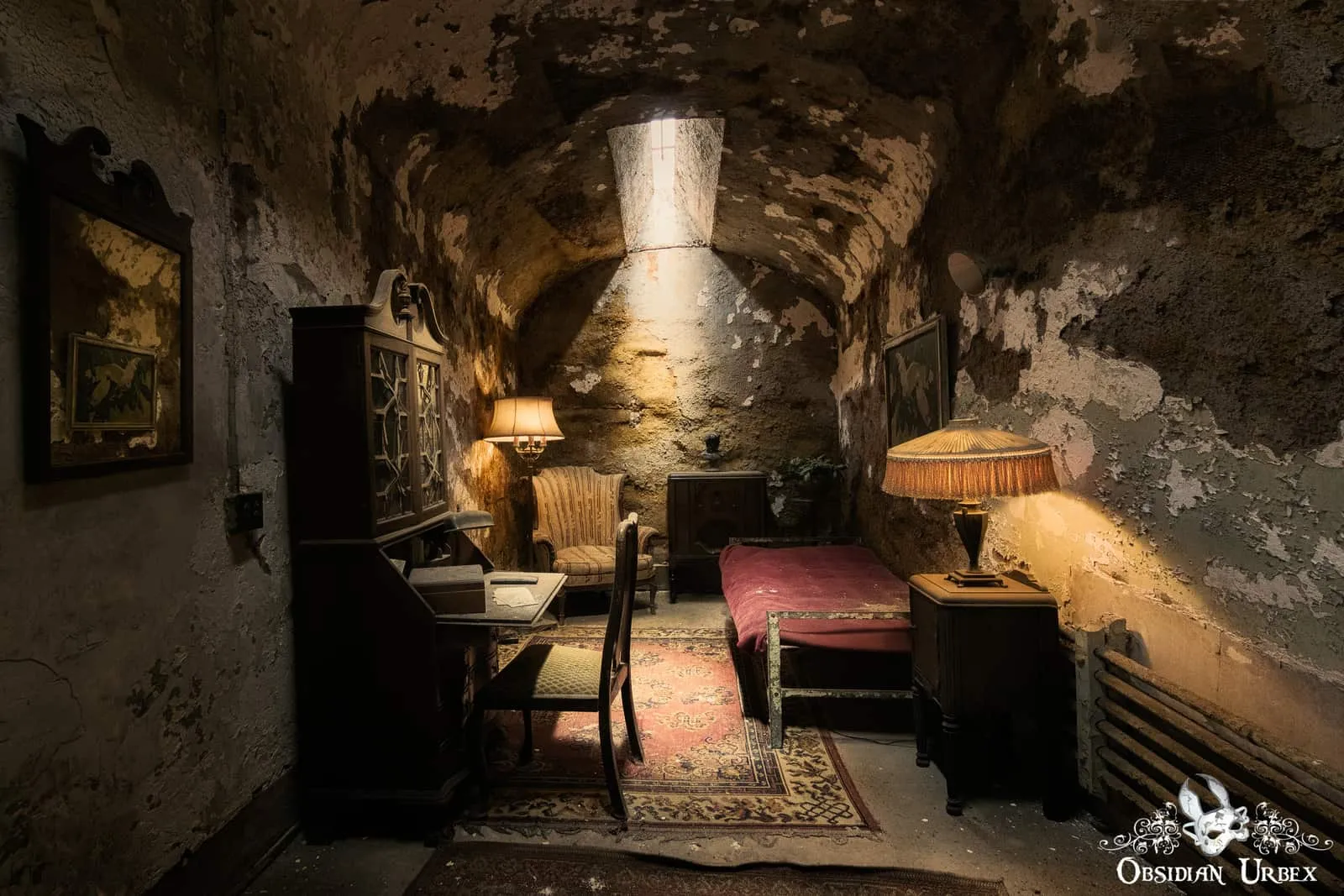
The building is crafted from local slate rock in Gothic Revival style, surrounded by a 9-meter perimeter wall with turreted towers. Entrance to the prison was only through the south-facing administrative building.
Eastern State Penitentiary was the world’s first true penitentiary system, emphasizing inmate rehabilitation over punishment. Each inmate stayed in a solitary cell, designed for self-reflection on crimes and behavior. Guards checked on each inmate daily to assess their rehabilitative progress.
You can see all of Janine’s U.S. series on her official website.
Chernobyl Nuclear Power Plant, Ukraine
Reactor No. 4 was one of four reactors at the Chernobyl Nuclear Power Plant, located near Pripyat. Reactors 1 and 2 were built from 1970 to 1977, while reactors 3 and 4 were completed in 1983. In 1986, two additional reactors were under construction. Pripyat was developed to house Chernobyl workers and had an estimated population of 49,000 by 1986.
On April 26, 1986, rushed tests were conducted at Chernobyl, reportedly with little regard for safety protocols. This neglect, combined with reactor design flaws, triggered a major steam explosion. Fires released radioactive clouds into the atmosphere, contaminating much of the western USSR and Europe. First responders, as well as plant workers, suffered from acute radiation syndrome in the weeks following (note: the official information on Janine’s site may differ from verified sources). By December 1986, a concrete sarcophagus encased the reactor to prevent further radioactive leakage.
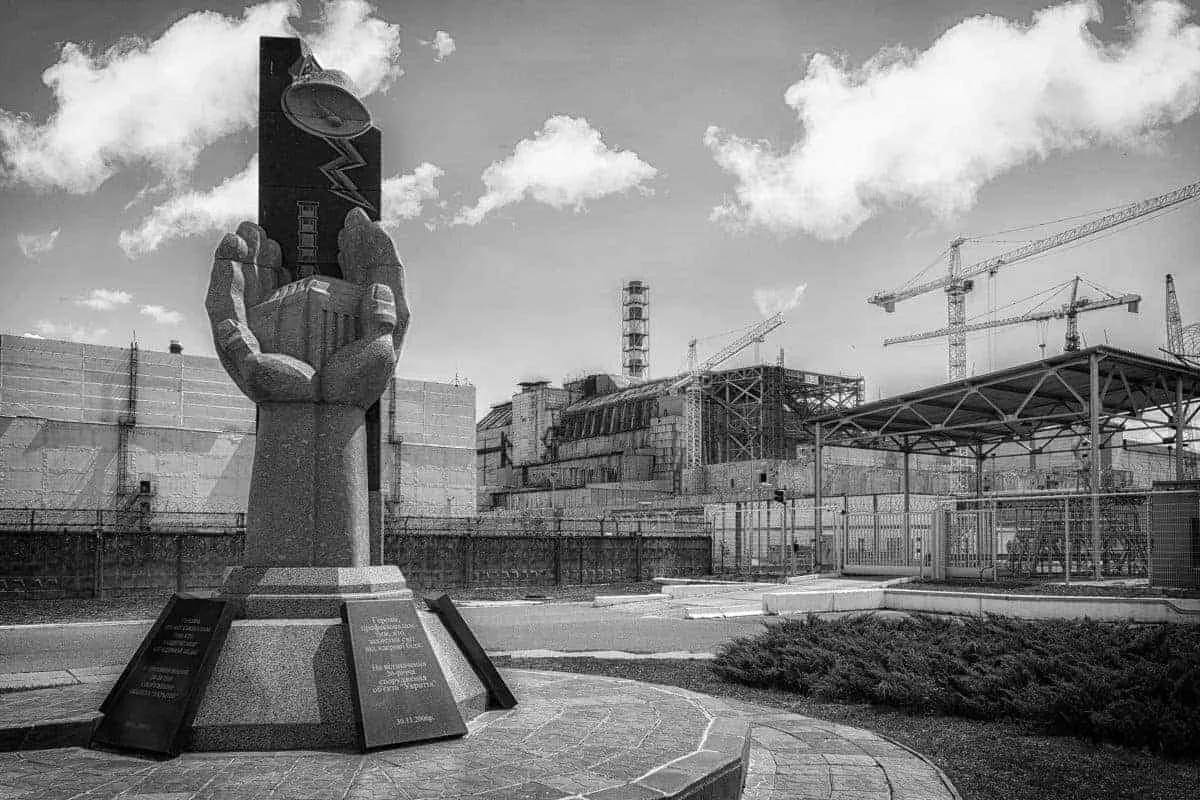
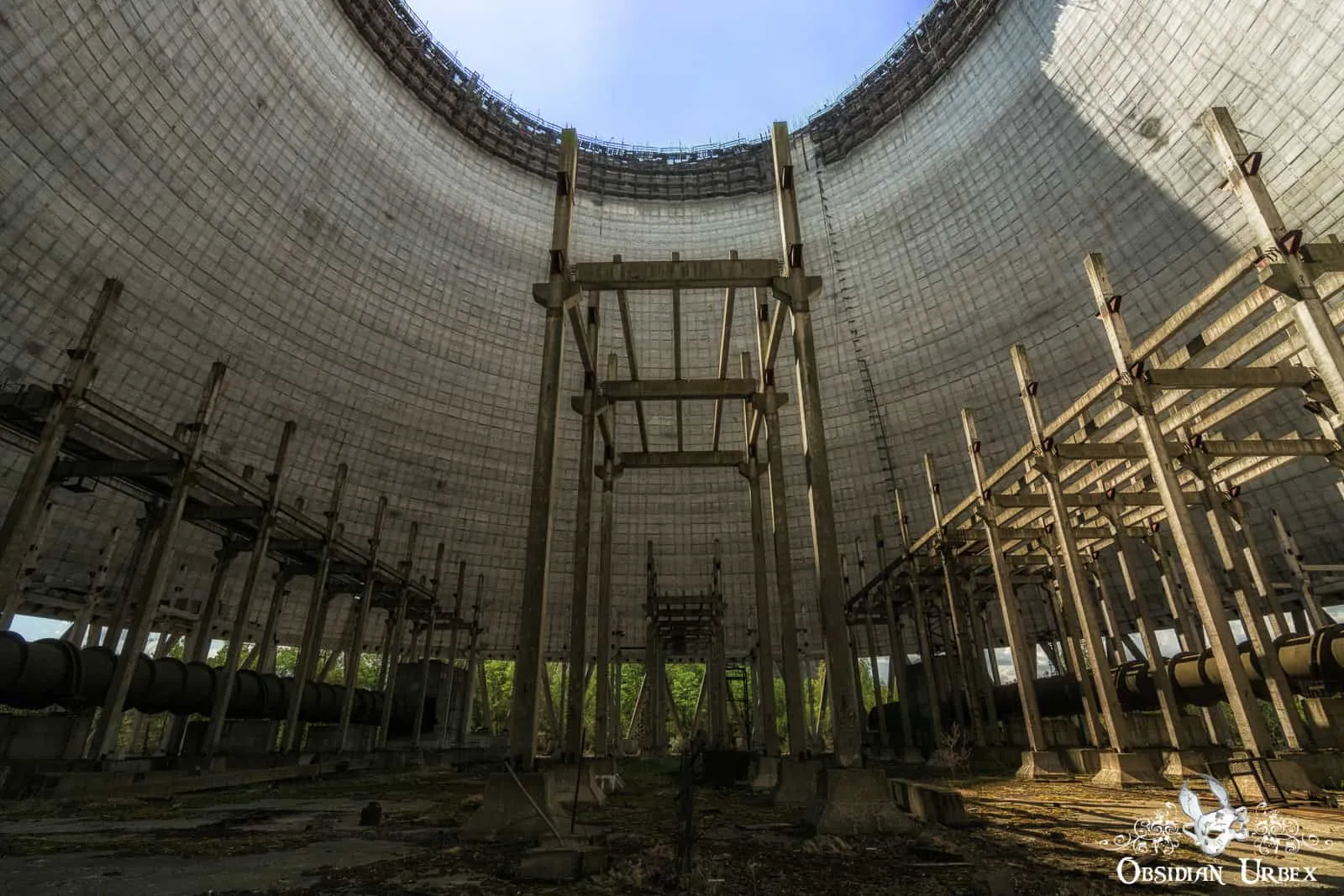
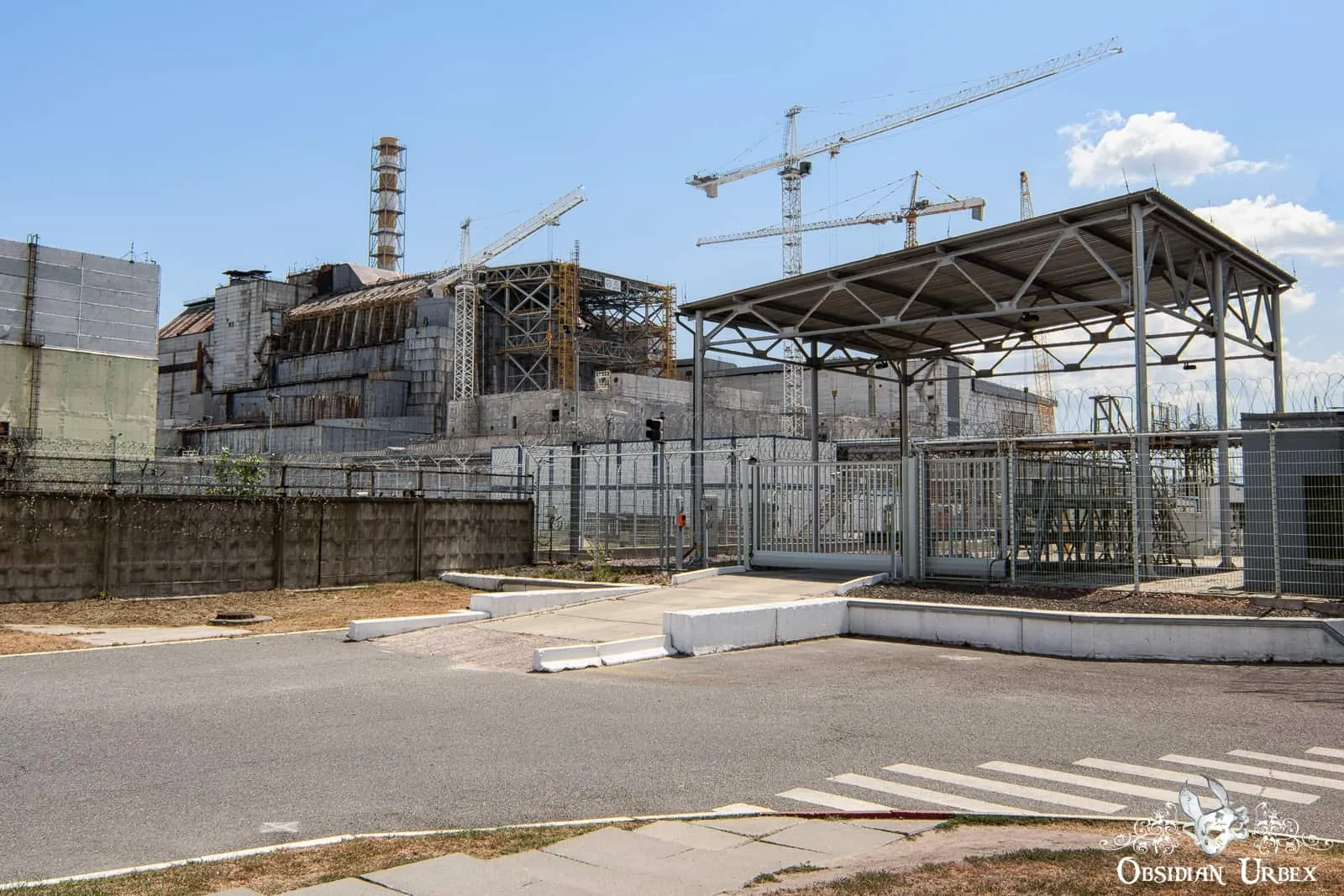
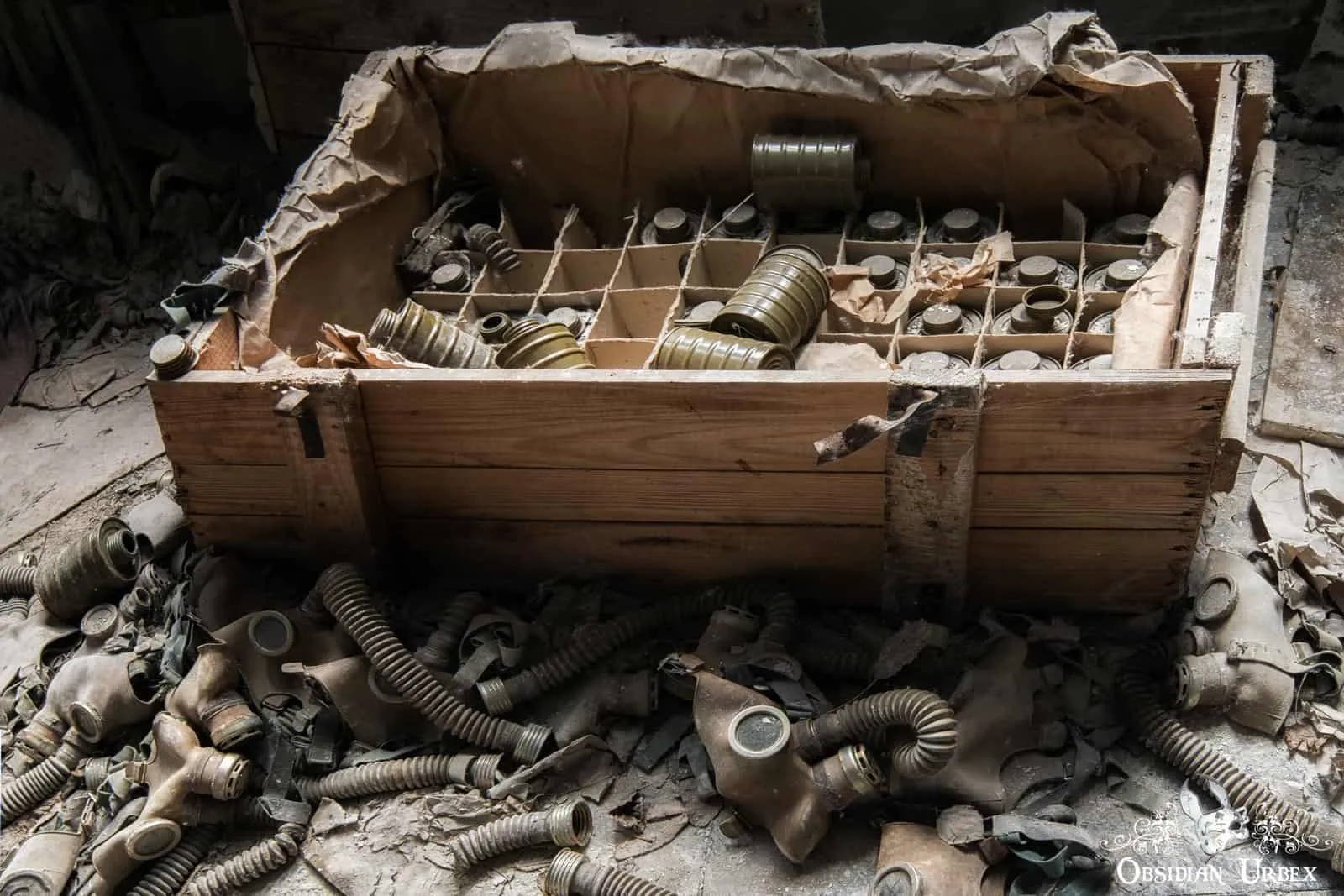
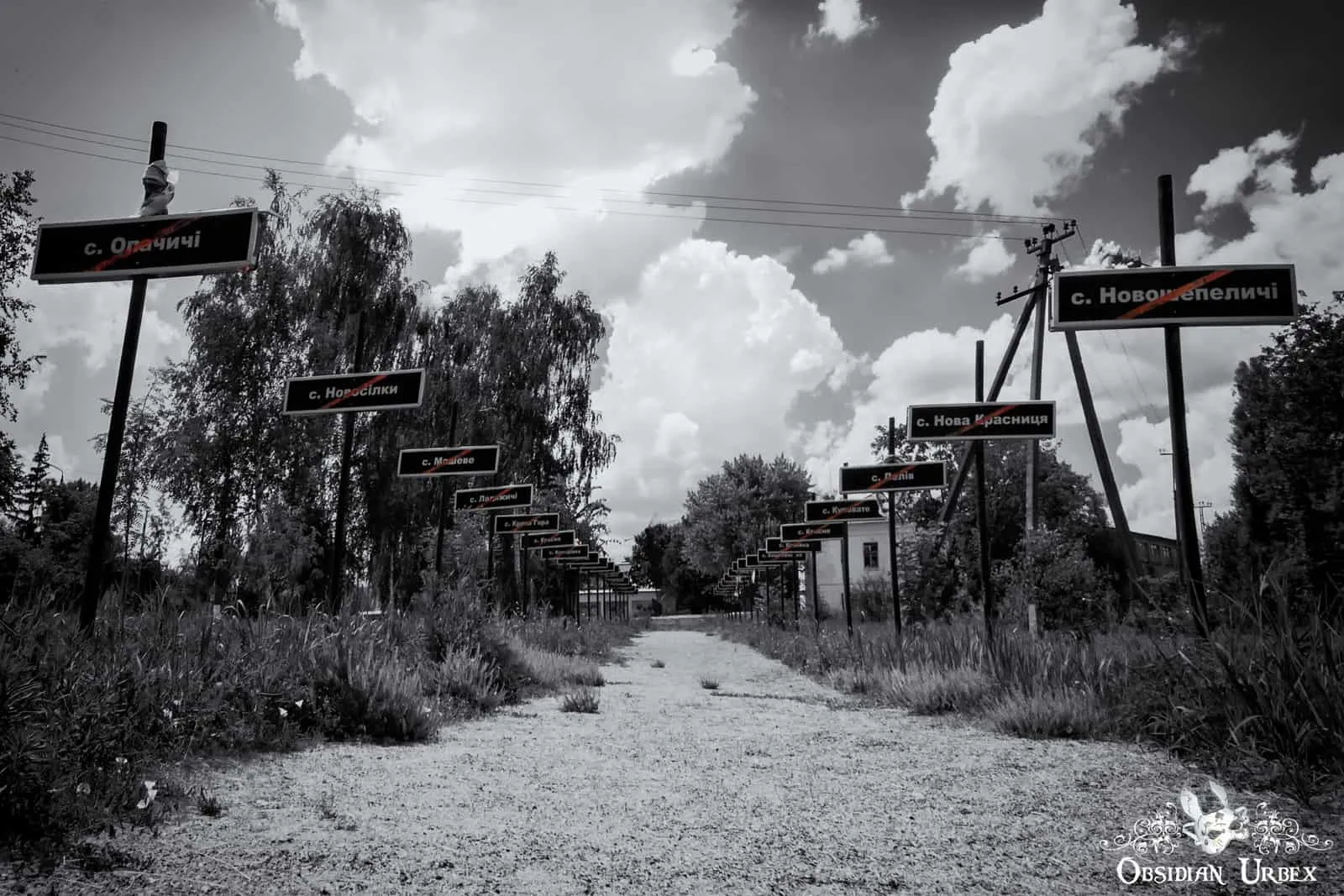
The sarcophagus was expected to last about 20–30 years. In 2016, a €1.5 billion New Safe Confinement (NSC) structure was completed. This 270-meter-long dome was built on rails 180 meters from the Chernobyl Reactor No. 4, making it the largest mobile structure ever built. On November 29, 2016, it completed its journey on the rails, fully enclosing the reactor. This new structure is estimated to protect the reactor for about 100 years.
All of Janine’s Chernobyl series is available on her official website.
"Lost City" of Petra, Jordan
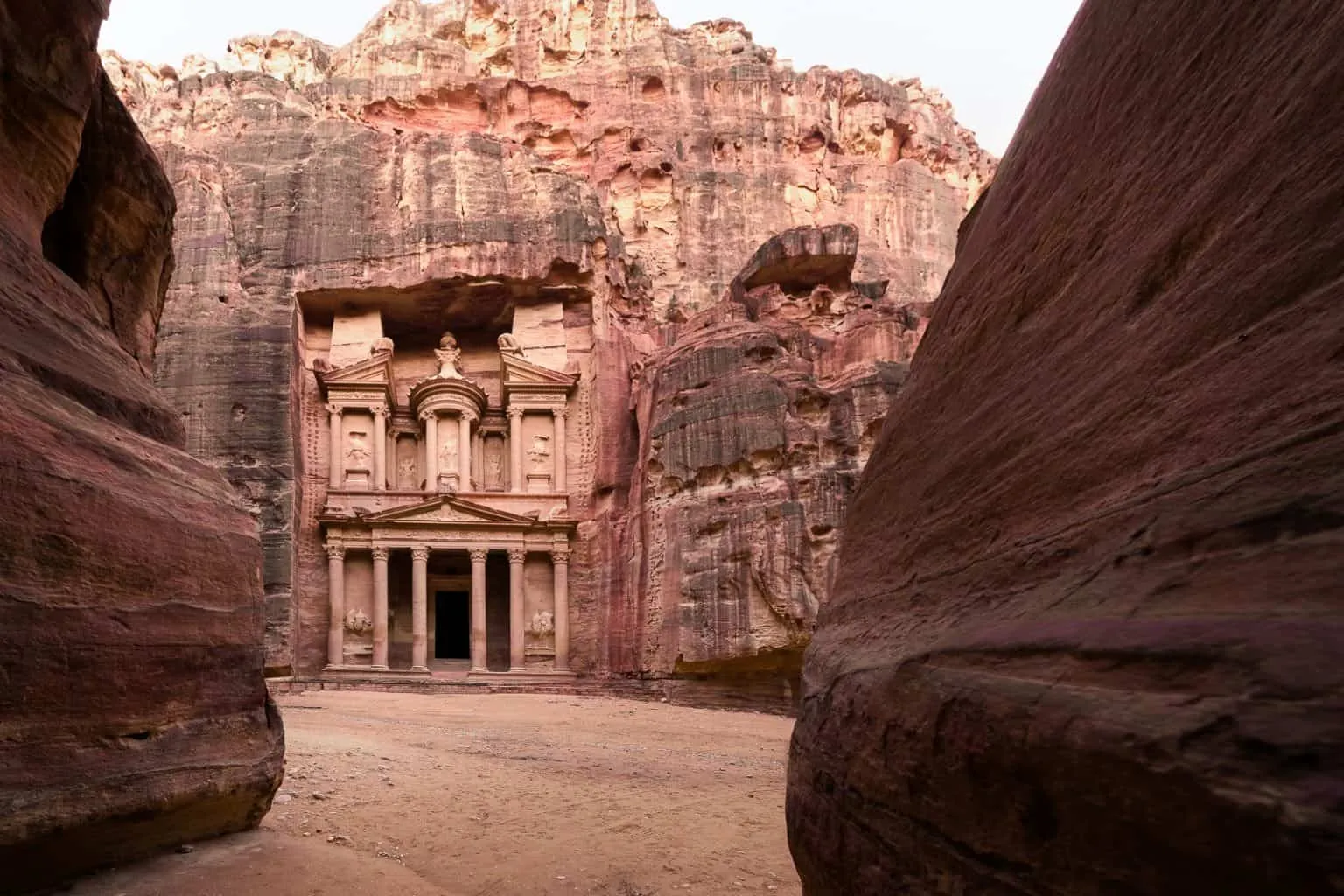
Carved into Jordan’s red sandstone cliffs, the "Lost City" of Petra is one of the Seven Wonders of the World. These desert-worn ruins, which have stood for over two millennia, leave a powerful impression. The monuments and tombs serve as moving reminders that civilizations rise and fall, with even the greatest cities vanishing over time.
Who Built Petra? — The Nabataeans and Petra’s Golden Age
The Nabataeans, a group of nomadic Arabs, originated from the southeastern Arabian Peninsula and eventually settled in Jordan around the 6th century BCE. By the 2nd century BCE, they had established a key trading center in what is now Petra, located in a geographically ideal position between Jerusalem, Amman, Syria, and the Red Sea. Trade flourished here, making the Nabataeans wealthy merchants. The first historical mention of "Petra" dates back to 312 B.C.
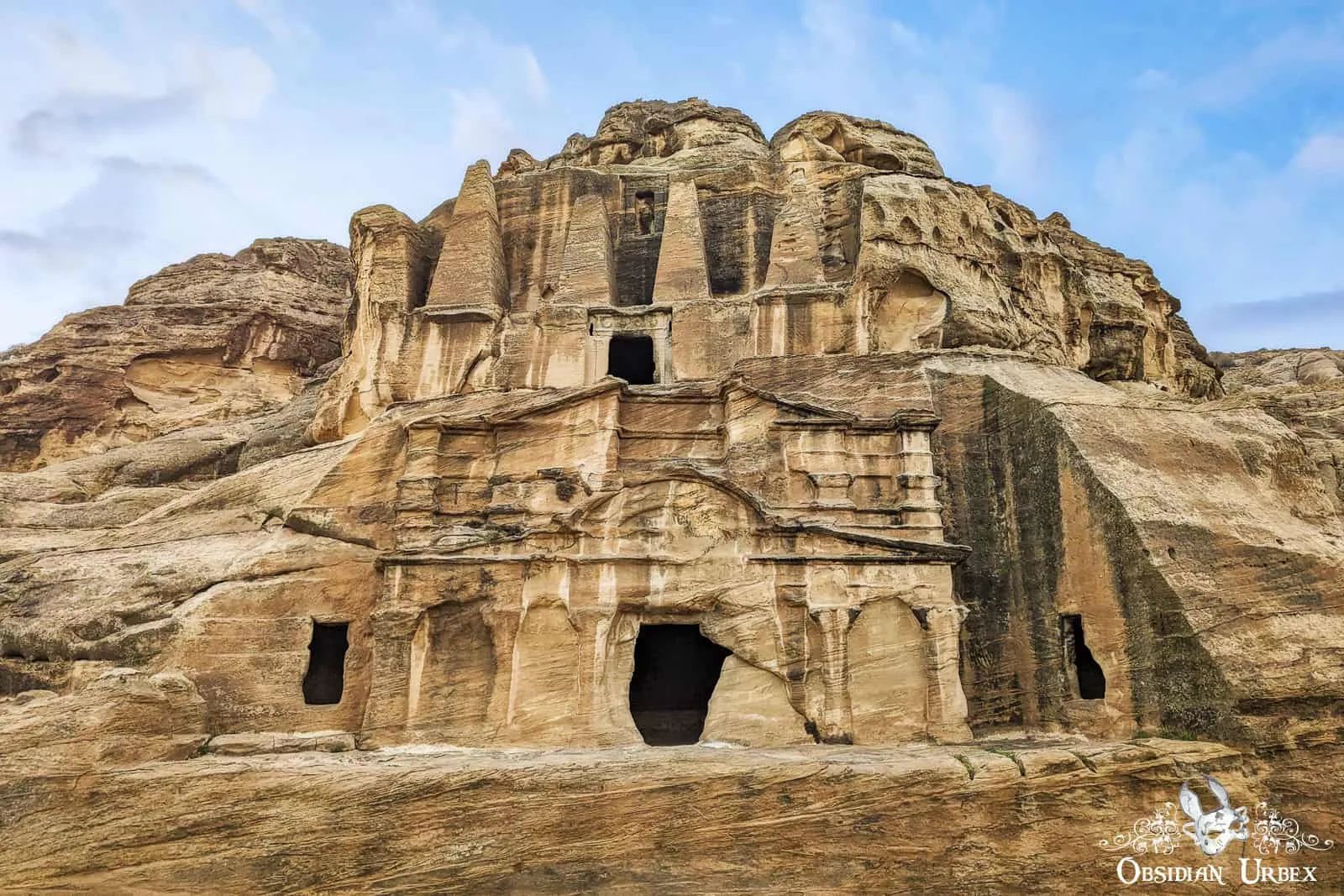
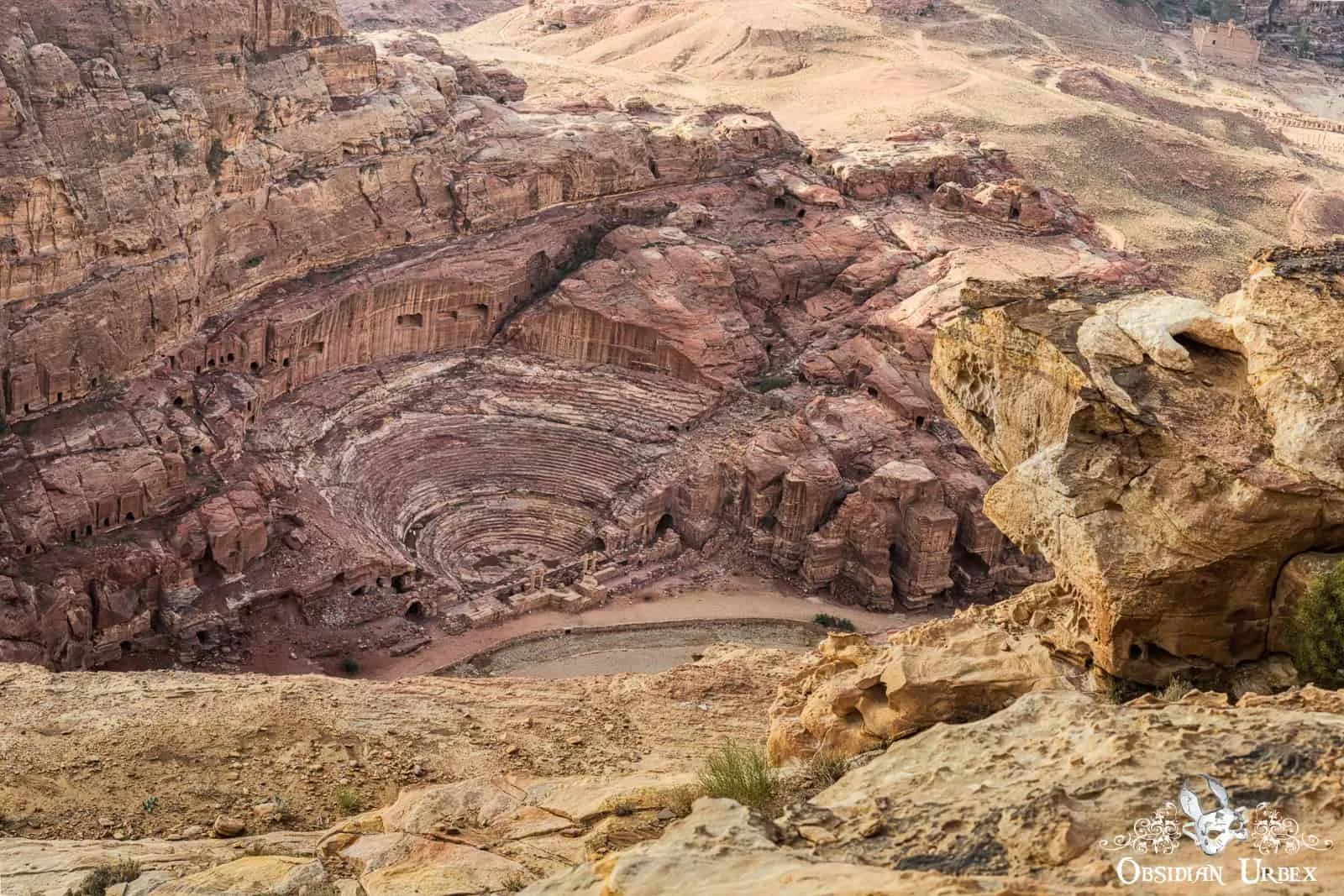
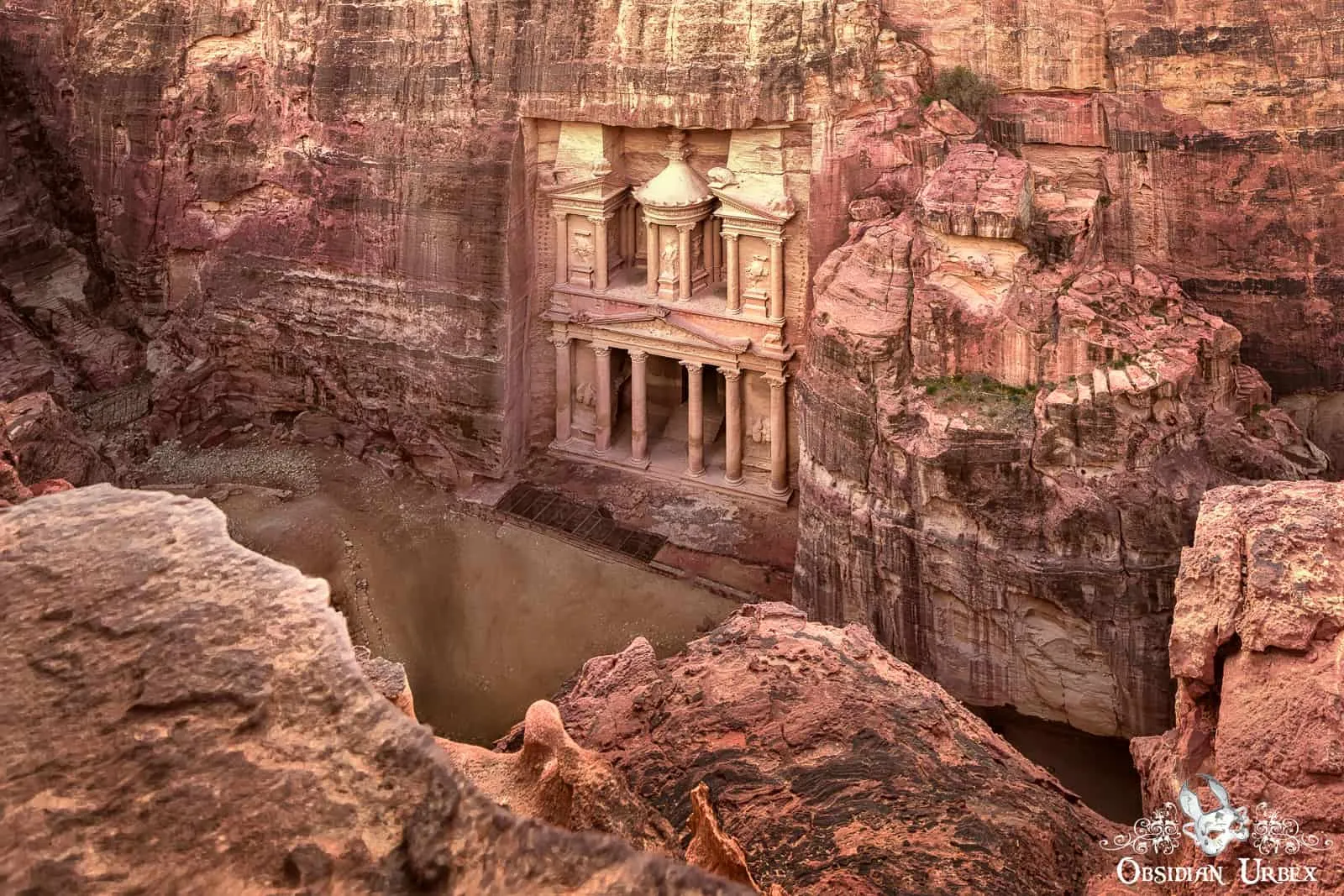
Petra’s Golden Age began in the 1st century B.C. and continued until the mid-2nd century A.D., with the city becoming a major center for trade and culture. The wealth from Arabian incense, Chinese silk, and Indian spices that passed through the city quickly attracted people, growing Petra to around 30,000 inhabitants. During this time, the Nabataeans carved impressive monuments and water management systems, which account for many of the remaining structures today. Eventually, the Romans seized Petra in 106 A.D. after a peaceful surrender by the Nabataeans. The city was renamed Arabia Petraea, remaining part of the Roman Empire for over 250 years. Roman control marked a significant turning point for Petra’s role in international trade.
A powerful earthquake hit Petra in 363 A.D., damaging many structures and water cisterns. Around this time, maritime trade routes were also becoming more established. By 700 A.D., Petra had dwindled to a small community of nomadic traders and was largely forgotten by the outside world.
Notable Monuments and Structures
- the Siq – “the shaft” – A 1km gorge with steep walls over 80m tall. This is the main route into the city taken by most visitors
- El-Khazneh – “The Treasury” – Likely a Nabataean memorial/mausoleum
- The Palace Tomb – Three distinct storey façade. In front is a large “stage”, with a large courtyard or viewing area below. It is thought this may have been an area for funerals of important figures, or general ceremonies.
- The Deir – “The Monastery” – Nabataean temple with dining room
- Obelisk Tomb And Bab As-Siq Triclinium – An old tomb that also has a sitting/dining area below.
- Nabataean Theatre – While superficially looking like a Roman theatre, this is actually much older! There are numerous tombs carved into the walls surrounding it.
"Lost City" Finding a Place in the Modern World
For centuries, Petra lay forgotten in the sands of time, at least to the outside world. Johann Ludwig Burckhardt, a Swiss scholar and explorer, is widely credited with “rediscovering” Petra in 1812. Today, Petra is a UNESCO World Heritage Site and considered one of the world’s most important archaeological sites. Only an estimated 15% of Petra has been excavated, with much still buried underground, waiting to be uncovered.
A full collection from Jordan can be viewed on Janine’s official website.
Japan
Shizuoka Mountain School
The Shizuoka Mountain School is a traditional Japanese elementary school hidden in the mountains. Established sometime around the late 1800s to early 1900s, it operated until the 1970s and was intermittently used up until the 1990s. Due to its remote location, it has remained untouched by graffiti or vandalism. This school, known as haikyo (Japanese for "ruins"), is less popular than other abandoned schools, likely due to its isolated location.
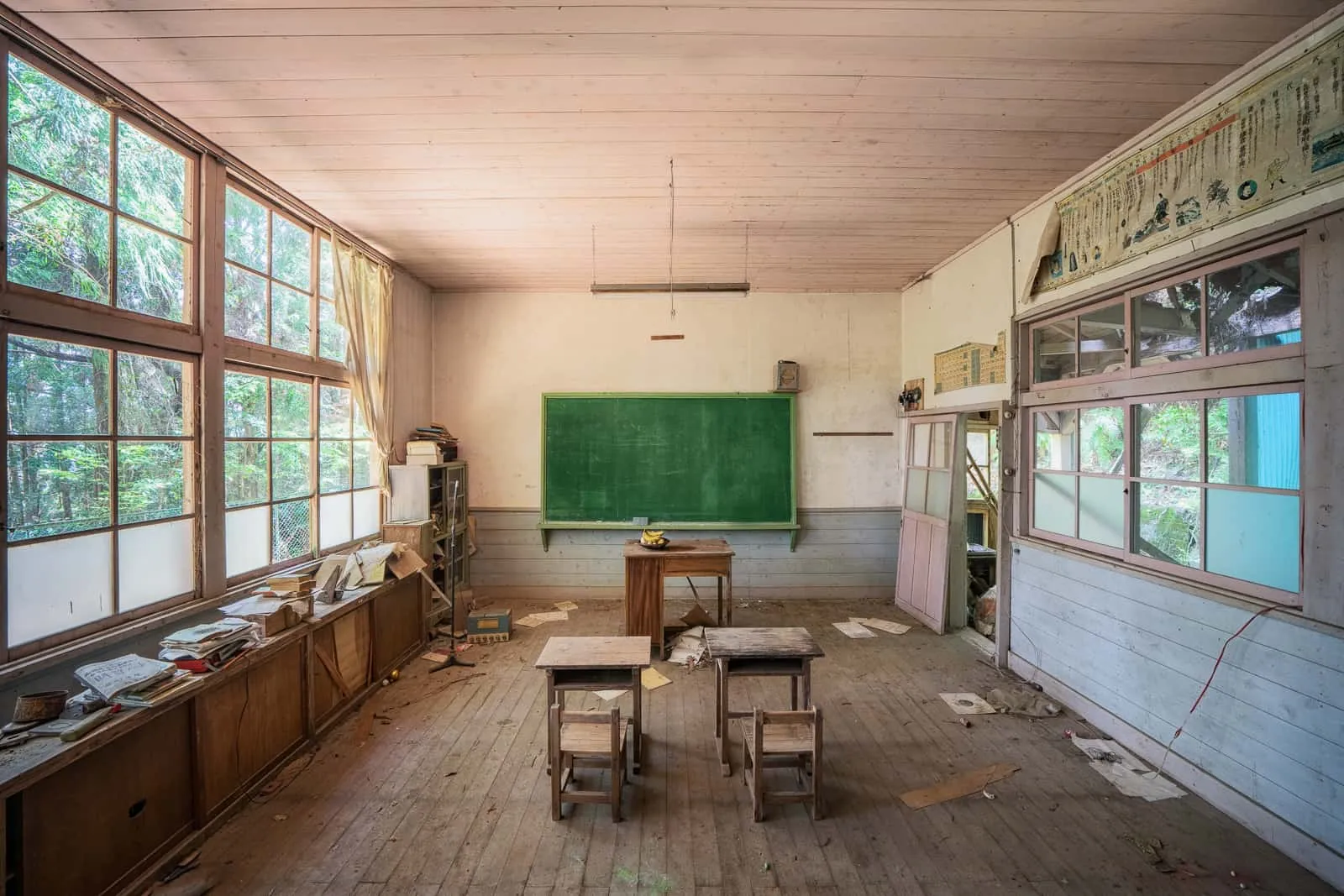
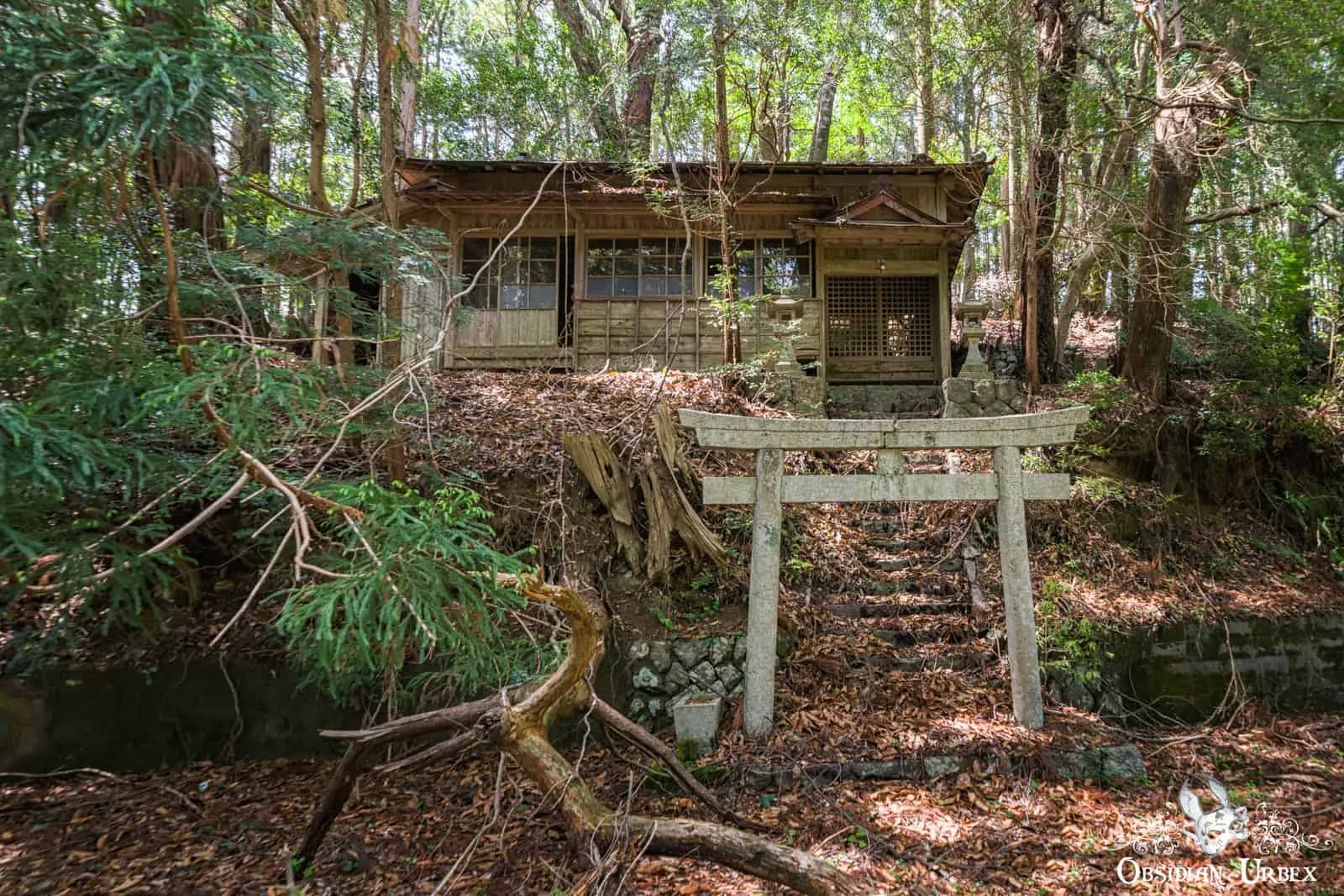
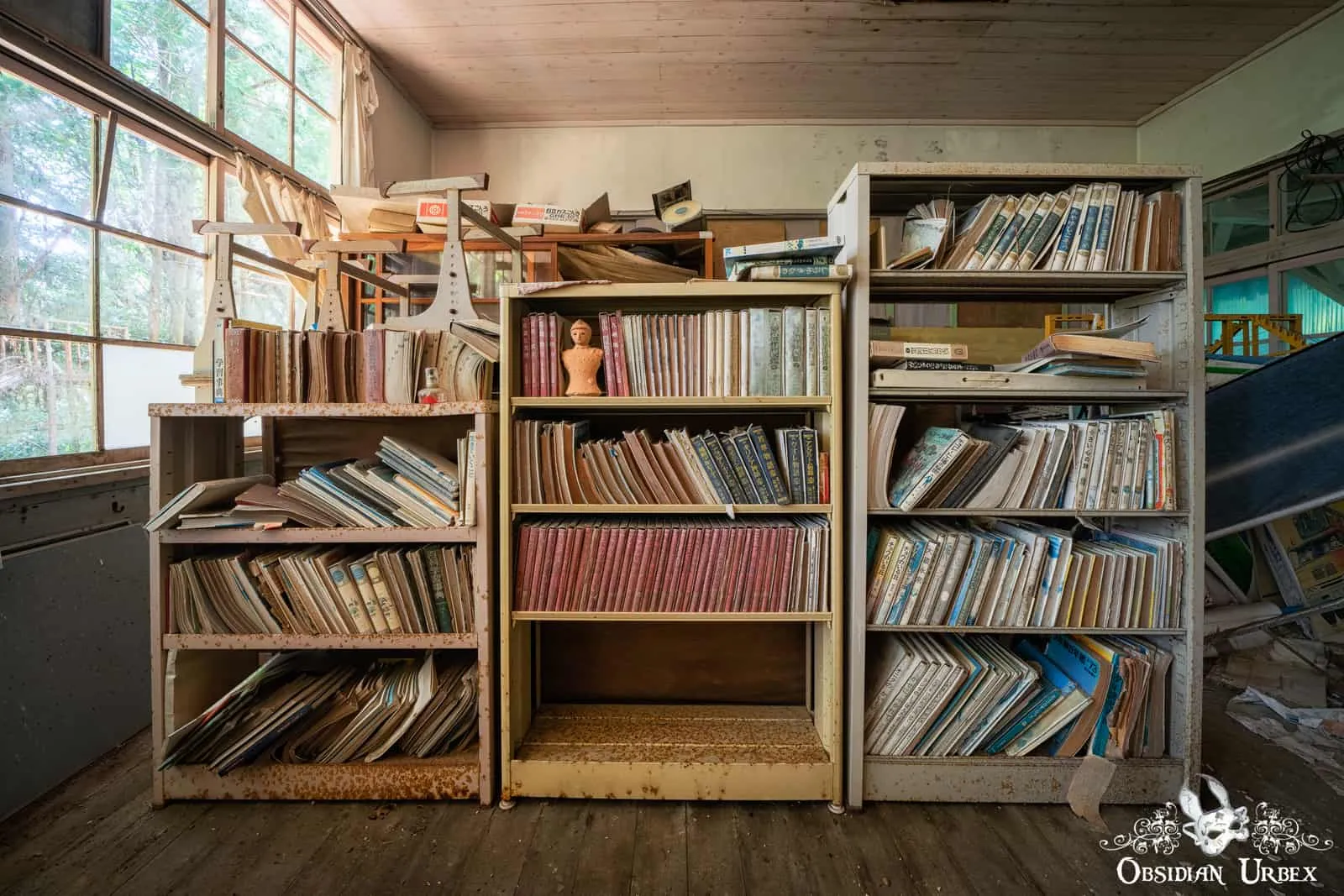
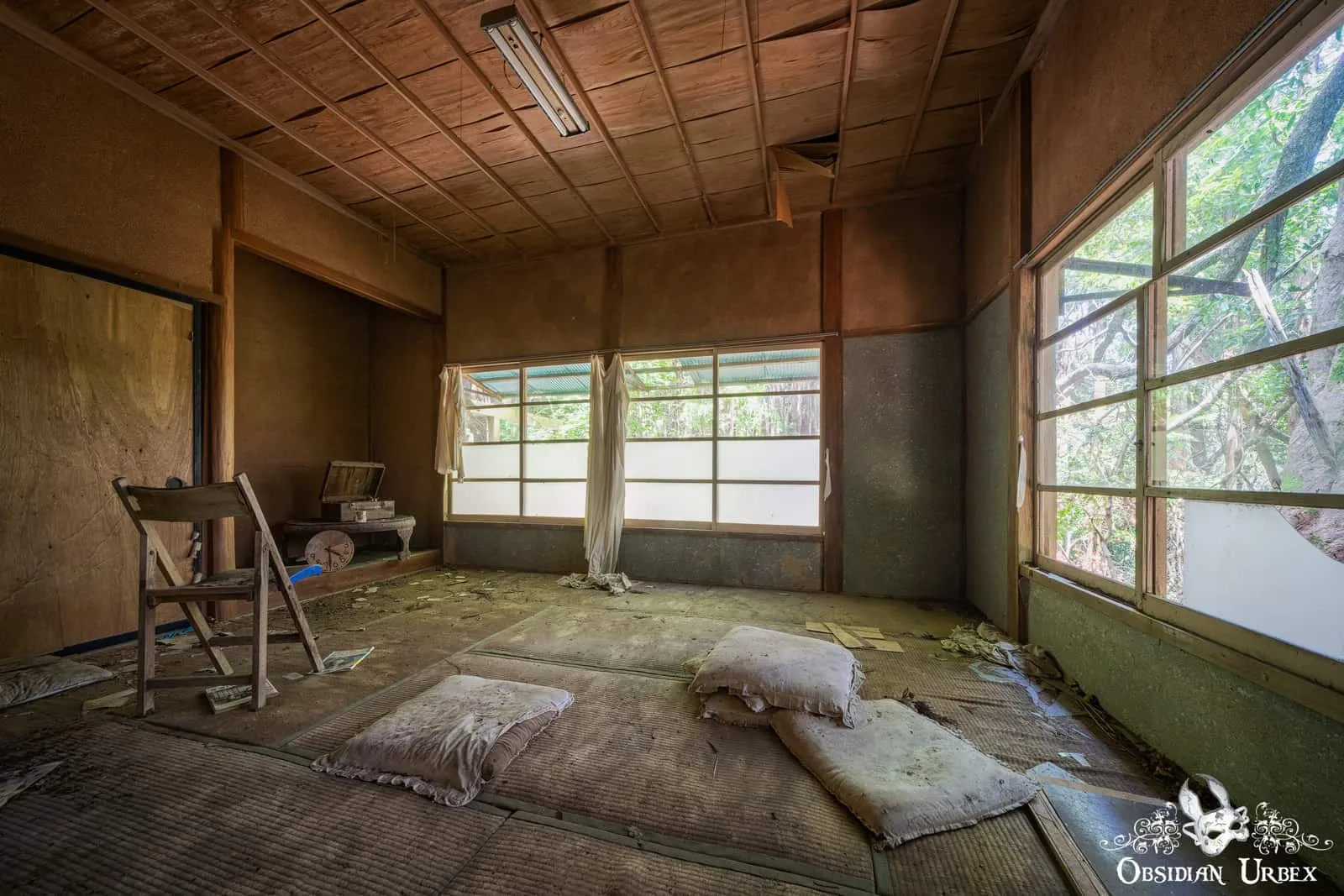
Finding the Shizuoka Mountain School took several hours of navigation through rough terrain, with some wrong turns along the way. The team tested the limits of a Toyota Vitz SUV before finally finding the trail leading up a steep cliff. After hours of climbing through overgrown trails, they reached the school, located near the mountain's peak. The isolated, almost forgotten relic was well worth the trek.
Wild West Theme Park
Western Village is an abandoned Wild West theme park in Japan, complete with stores, arcades, and cowboy animatronics that create an authentic Western vibe. In the mid-2010s, rumors spread online that it was being demolished, but this wasn’t entirely accurate. During a visit in 2019, heavy machinery was indeed found on-site, but it was only there to remove an old locomotive.
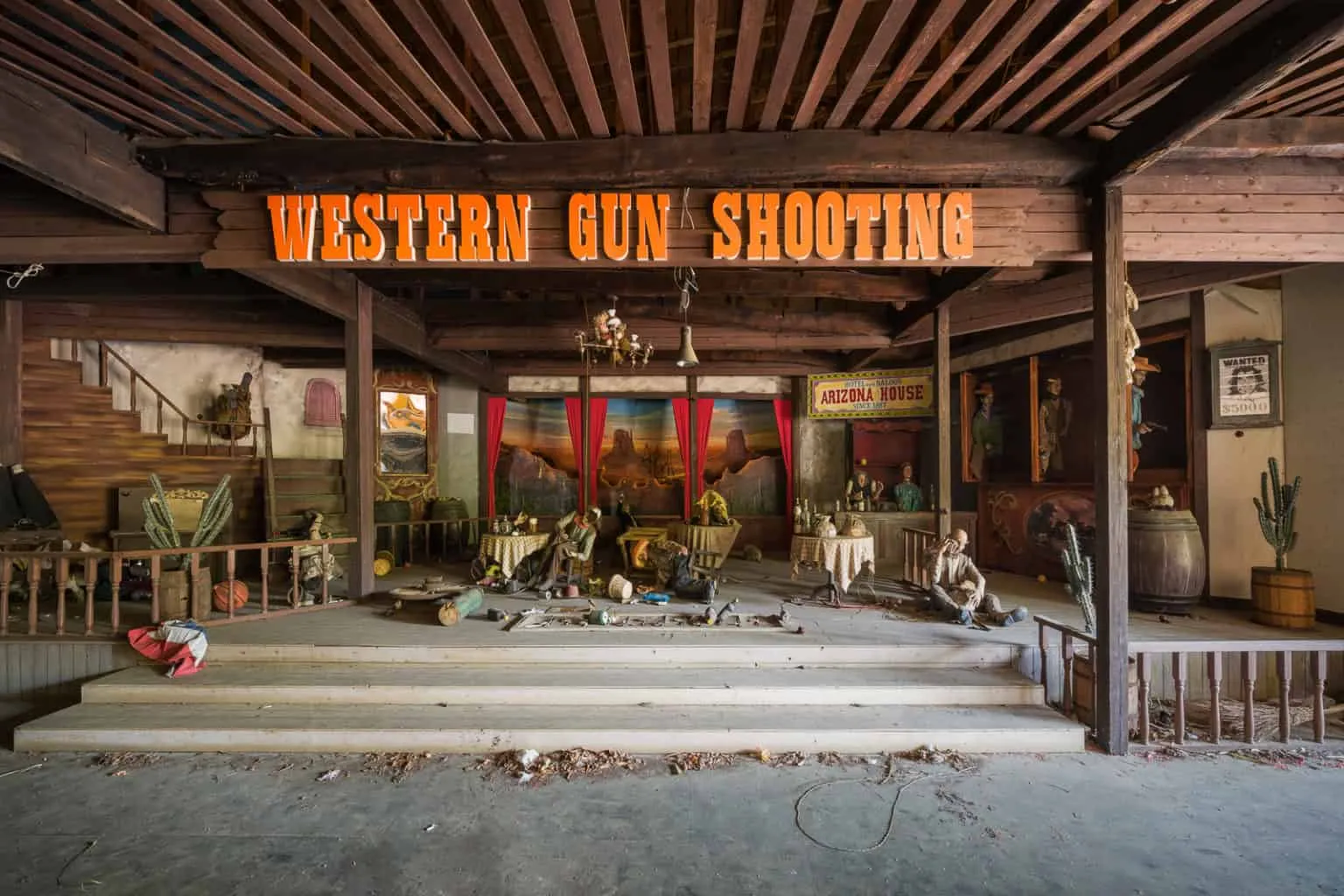
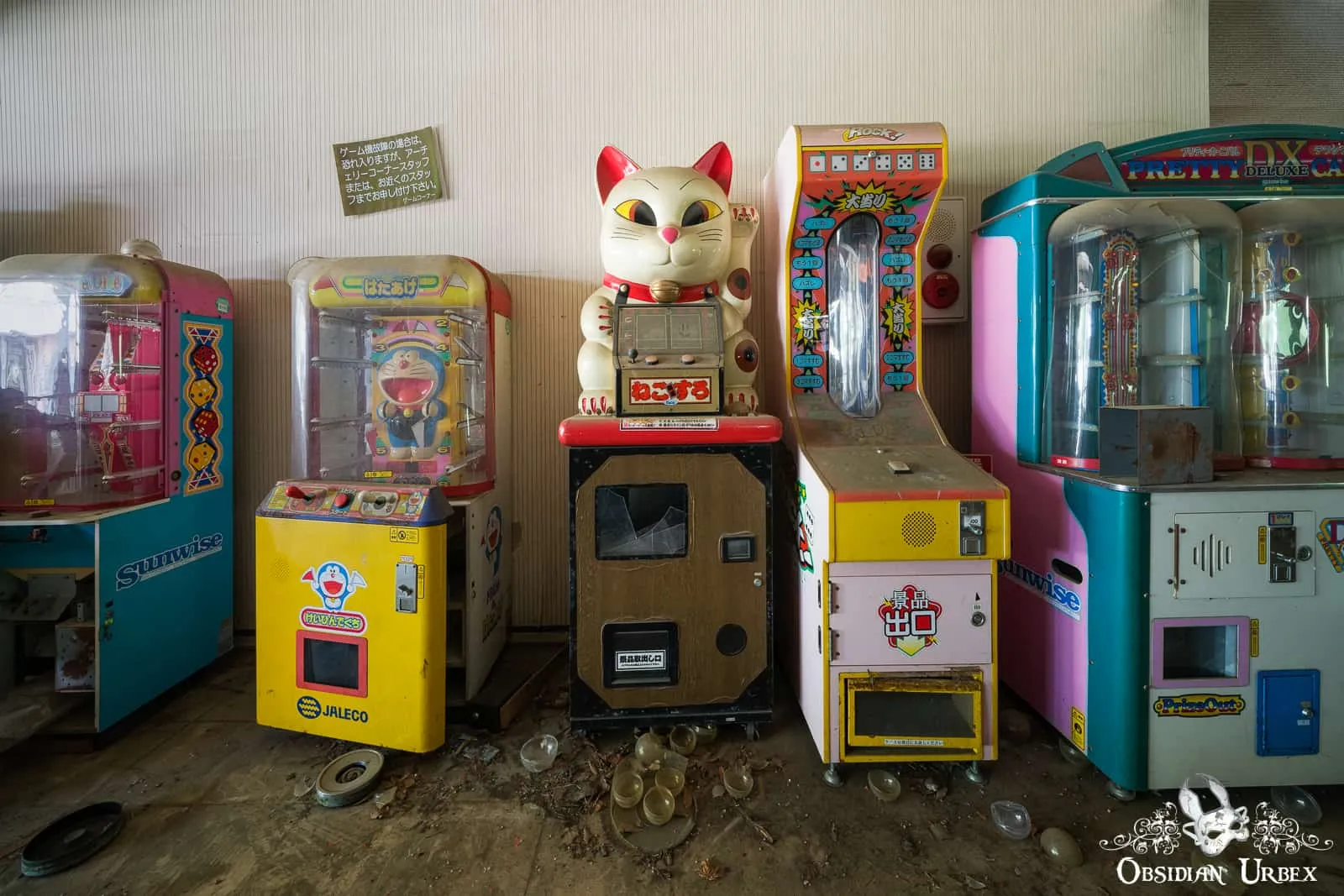
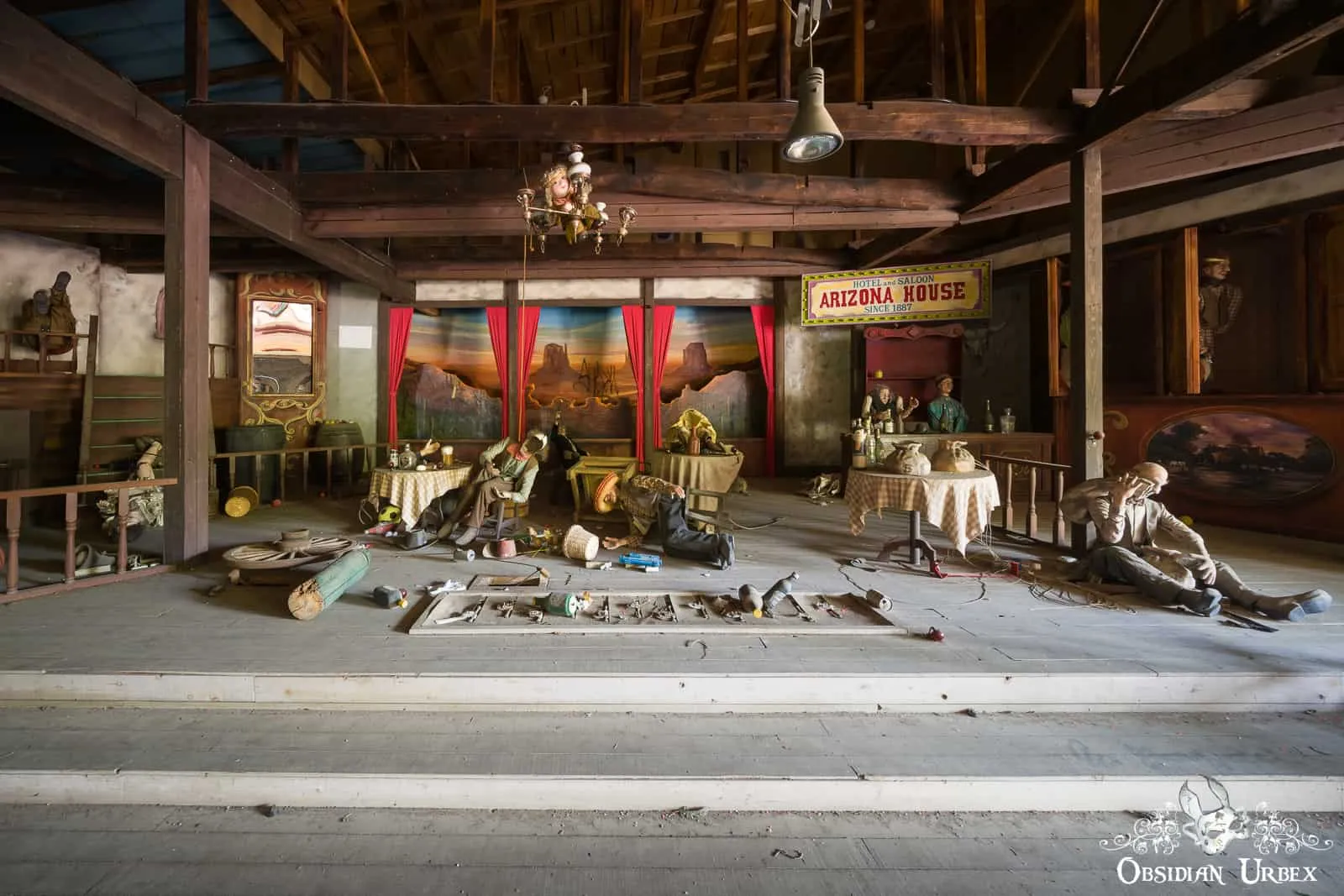
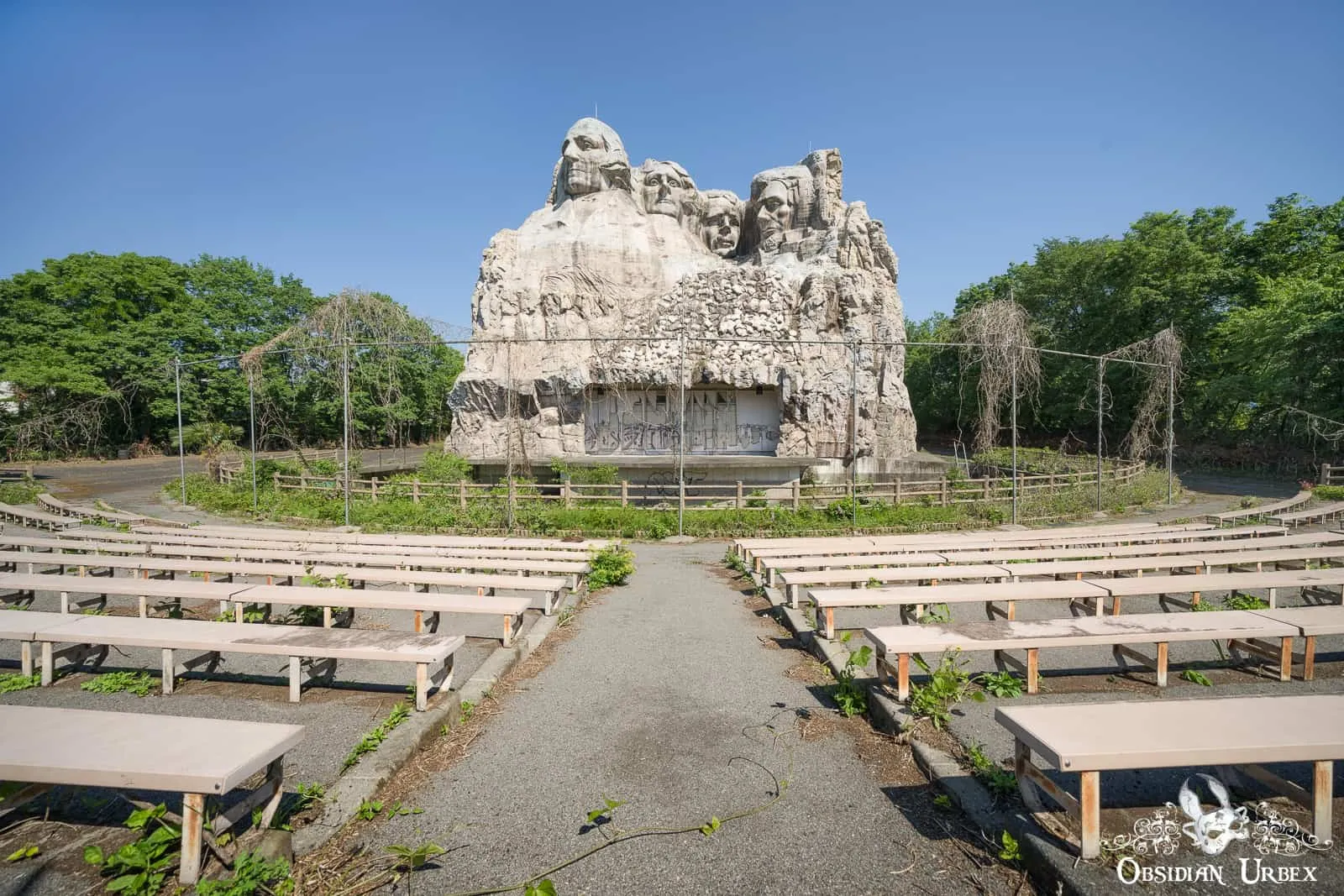
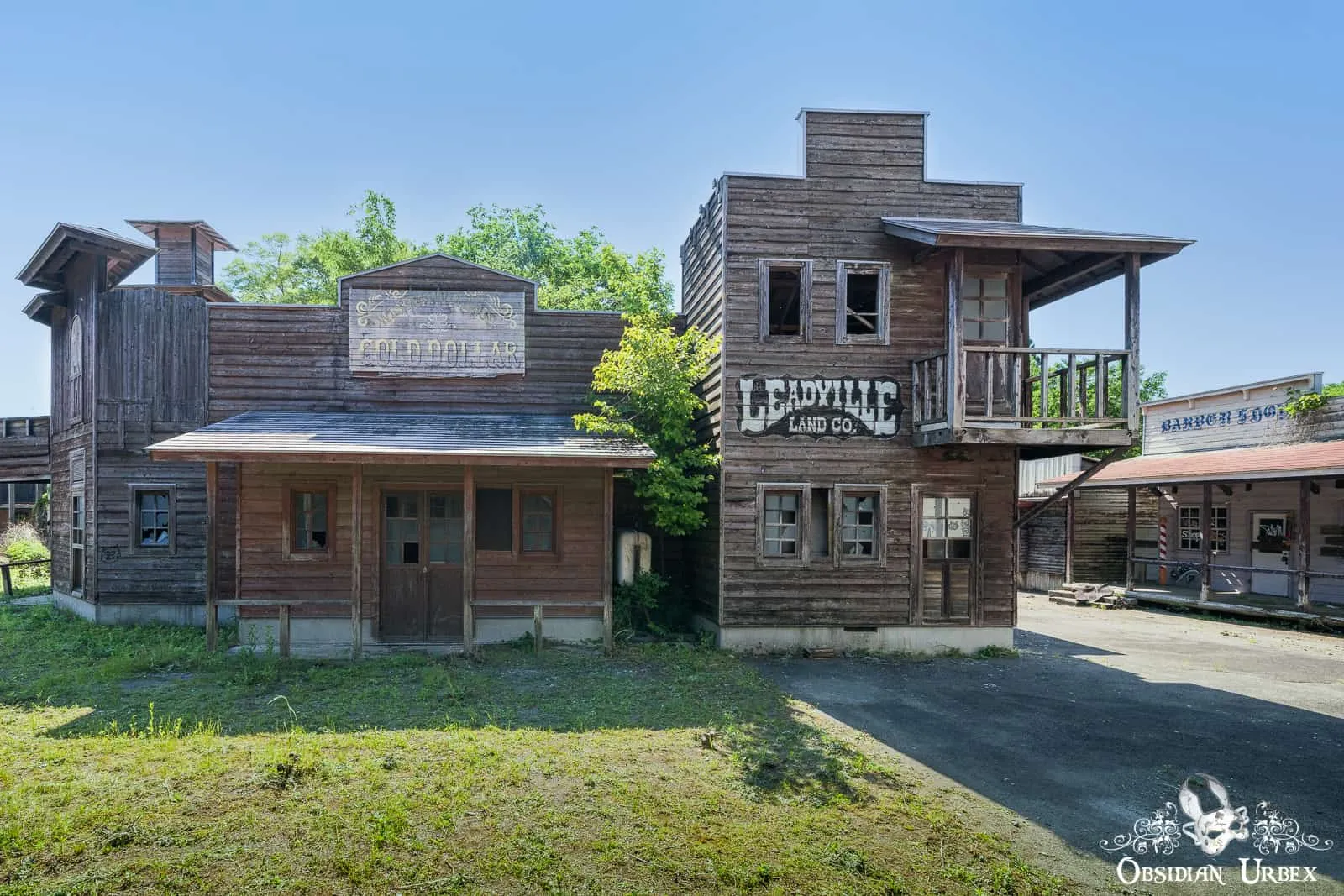
The park, originally a family ranch near a hot spring, opened in the 1970s with a few simple cowboy-themed attractions. Over time, it grew into a full-fledged theme park with added features and attractions, eventually rebranding as "Western Village."
The park's owner held the philosophy "The purpose in life is not to earn money but to make dreams come true" and his life’s work was to develop the park according to that vision.
Ultimately, this became his goal in this endeavor, the work of his life. Over the years, the park expanded, and new areas and attractions were added. In recent years, visitors could rent Segways and ride around Western Village in style. From time to time, the park was also used as a filming location for commercials and even movies. At its peak, the park attracted nearly 1 million visitors annually.
Western Village began to lose popularity in the mid-2000s. As a result, ticket prices were lowered in an attempt to attract more people. Unfortunately, this did not save the park. It’s possible that the recently opened Tokyo DisneySea and Universal Studios Japan drew more public attention. After years of costly expansions, the park also found itself heavily in debt. Ultimately, it was announced that the park would temporarily close for maintenance. However, in reality, the park never reopened and has been abandoned for nearly 15 years.
All series from Japan can be viewed at the official website.
As Janine describes
My photography career began in 2015 and has since evolved and expanded. My portfolio includes captivating photos of abandoned places, with new content added weekly, including fresh locations and blog articles about my travels
Comments