

- March 18, 2025 at 12:34 AM
-
40.2K
Photographic style and approach
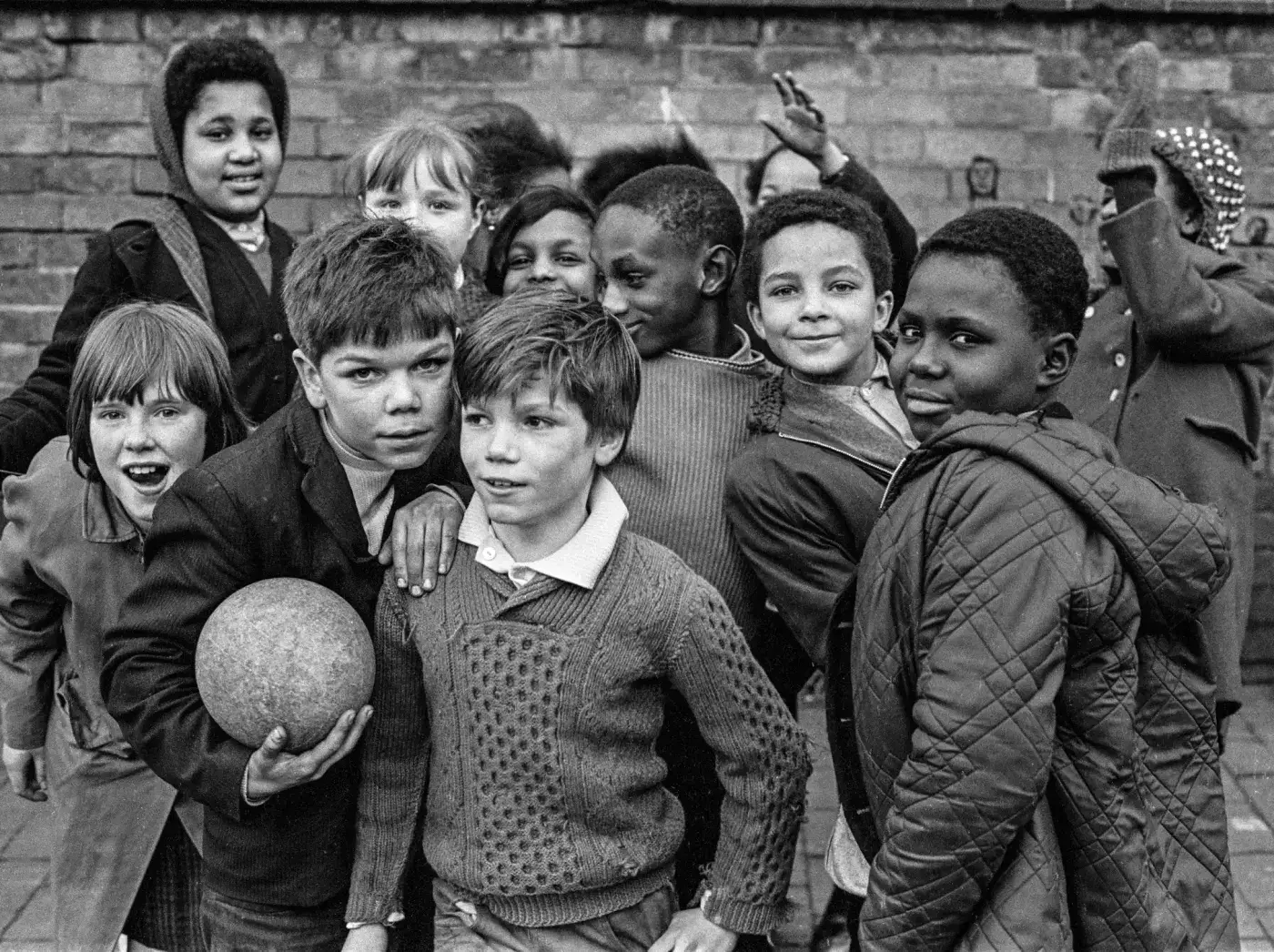
Janet Mendelsohn’s photography is often categorized as documentary, but it doesn’t have the detachment usually associated with that genre. Her images feel personal, as if she were part of the world she was capturing rather than a distant observer. This sense of closeness comes from the way she worked—spending time with people, earning their trust, and allowing moments to unfold naturally rather than directing them.
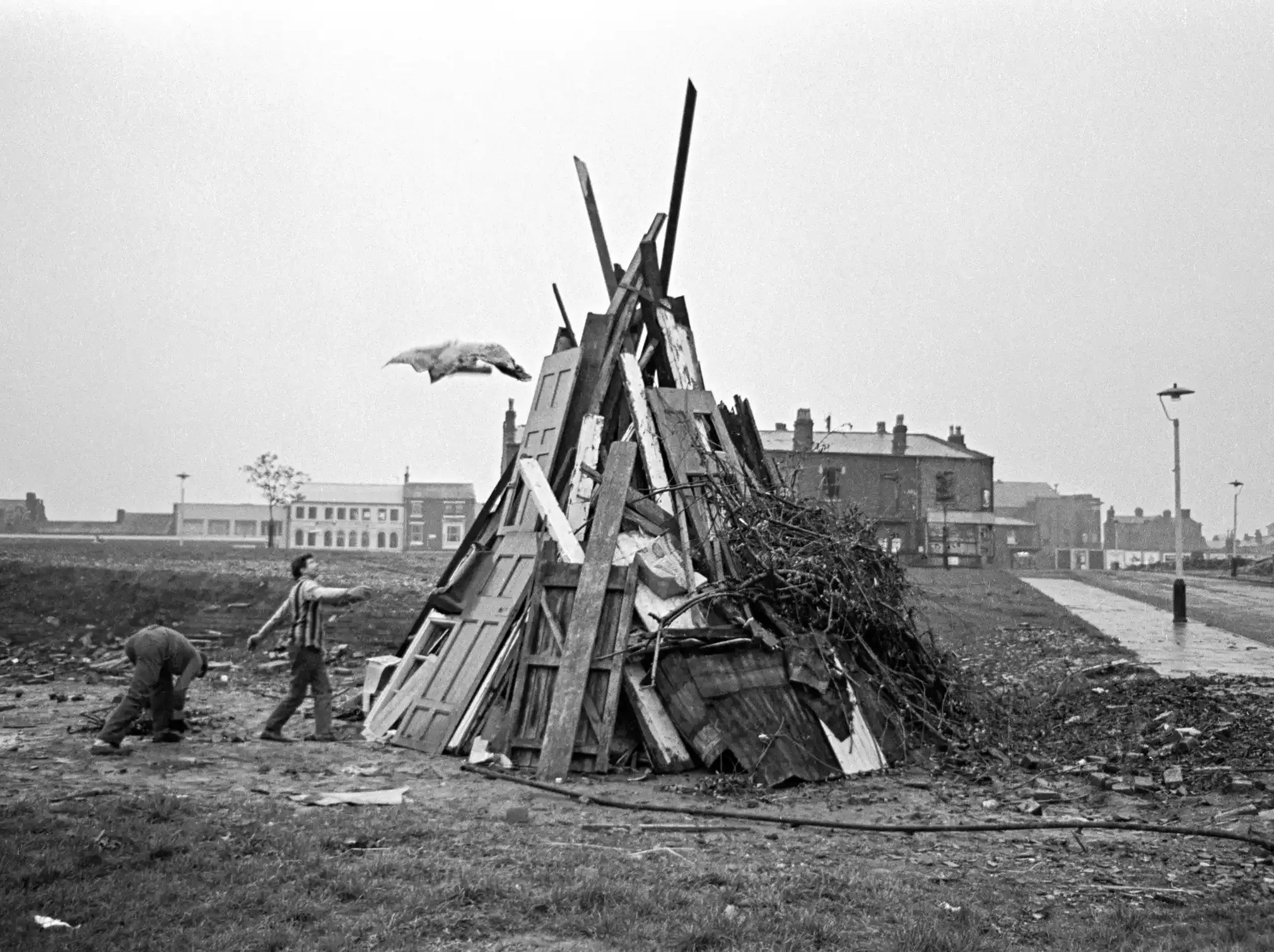
Her photographs are full of unguarded expressions and quiet gestures. A woman staring through a window, a child gripping a fence, a man leaning against a wall—these aren’t dramatic scenes, but they carry weight. She was interested in the way people existed in their environments, how they occupied space, how they interacted with each other. Her framing often emphasized this, showing individuals within their surroundings in a way that felt natural rather than composed.
The camera is an instrument that teaches people how to see without a camera
Mendelsohn used photography not just as a means of documentation but as a way to explore and understand society.
Another striking element of her work is the balance between observation and empathy. She didn’t use photography to make a political statement or to expose hardship in a sensational way. Instead, she let the details of everyday life speak for themselves. Shadows falling across a narrow street, the clutter of objects in a small apartment, the curve of a woman’s arm as she rests on a doorframe—these are the kinds of details that make her images feel alive.
Mendelsohn’s use of black-and-white film further enhances this focus on mood and atmosphere. Without the distraction of color, the viewer is drawn to texture, contrast, and expression. The grainy quality of some of her images adds to the raw, unfiltered feel, making them seem less like artifacts of the past and more like fleeting moments that could have happened yesterday.
Her style places her in conversation with other documentary photographers of the time, but she never imposed a rigid structure on her subjects. Instead of treating them as symbols of social issues, she captured them as individuals with full, complex lives.
Legacy and Influence
For decades, Janet Mendelsohn’s photographs remained relatively unknown, stored away as part of an academic project. It wasn’t until the 2010s that her work was rediscovered and exhibited, revealing just how powerful and relevant her images still are. When her Birmingham photographs were shown at the Ikon Gallery in 2016, they weren’t just viewed as historical documents—they were recognized as a deeply human record of a community in transition.
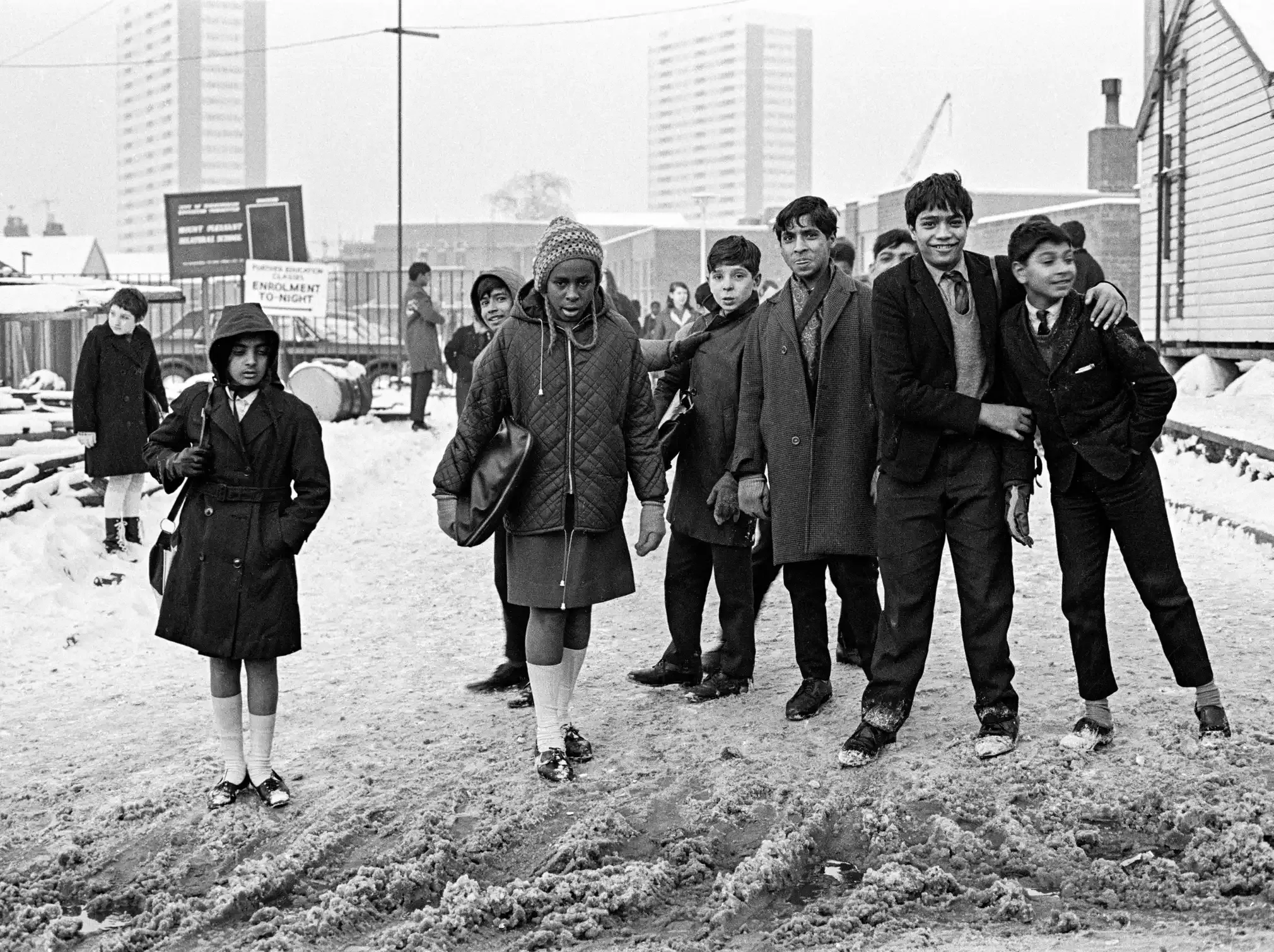
Her work bridges the gap between documentary photography and social research, making her an important figure in both fields. While she wasn’t as widely known as some of her contemporaries, her approach—immersing herself in the lives of her subjects, capturing moments without intrusion—places her alongside photographers like Henri Cartier-Bresson and Dorothea Lange. But unlike them, she wasn’t working for a newspaper or a government project. She was simply trying to understand the world through her camera.
Today, her photographs offer a rare, unfiltered glimpse into the realities of working-class life in 1960s Britain. They remind us of the importance of looking beyond stereotypes and seeing people as individuals rather than symbols of social conditions. For photographers and researchers alike, her work is a lesson in patience, empathy, and the power of observation.
Though she never sought fame, her images continue to resonate, proving that sometimes the most meaningful stories come from the smallest moments.
Janet Mendelsohn’s photographs capture more than just a time and place—they reveal the quiet complexities of everyday life. Her work in Birmingham’s Balsall Heath neighborhood is not just a record of the 1960s but a reminder of the importance of looking closely, of paying attention to people and their surroundings without judgment.
What makes her images so powerful is their honesty. She didn’t seek out drama or spectacle; instead, she found meaning in the ordinary—the way light fell on a doorway, the way someone stood in the street, the fleeting expressions that tell a story without words. Her approach was thoughtful and patient, and it allowed her subjects to be seen as they were, without distortion or agenda.
Photography is the story I fail to put into words
This quote reflects Mendelsohn’s approach: rather than explaining or commenting, she let the images speak for themselves.
Though she never became a household name, her influence is undeniable. Her work bridges photography and cultural study, reminding us that images are not just about what we see but how we see. And while the world has changed since she took these photographs, the emotions and experiences they capture remain universal.
In the end, Mendelsohn’s legacy is not just in her images but in the way she approached the act of seeing—with curiosity, respect, and an understanding that every life holds significance.

Zheludkov Andrii
CEO at hand-made.world. In case of urgent questions or cooperation, please, drop me a line on [email protected]. I speak English, Ukrainian, Russian.
Comments