

- December 26, 2024 at 4:42 PM
-
632
Documenting fragile youth and the uneasy ethics of representation in post-Soviet Saint Petersburg
Mokhorev’s work, undeniably compelling from an aesthetic standpoint, forces viewers to grapple with uncomfortable questions of representation, vulnerability, and the constantly shifting boundaries of art, placing him alongside other photographers who dared to walk the fine line between documentation and provocation. Indeed, Mokhorev can be seen as a pioneer in Russian photography, one of the first to truly open a window onto the fragile and often problematic world of children.
A lens forged in a time of transition: biography and artistic vision
Mokhorev began working with photography in the mid-1980s, his artistic sensibility developing against the backdrop of the dramatic social and political changes that swept through Russia.
Saint Petersburg, with its poignant blend of imperial decay and a palpable sense of transformation, became for his work more than just a setting; it turned into an active participant in his visual narratives.
Mokhorev started photographing at the age of sixteen and already in his early years demonstrated a distinctive style, focusing on the exploration of human identity and its place in the surrounding world. He is known for his portraits and landscapes, but his works devoted to youth and adolescence are particularly notable. His photographs often explore themes of coming of age, self-identification, and personal experience, which is why they are valued for their emotional depth and artistic expressiveness.
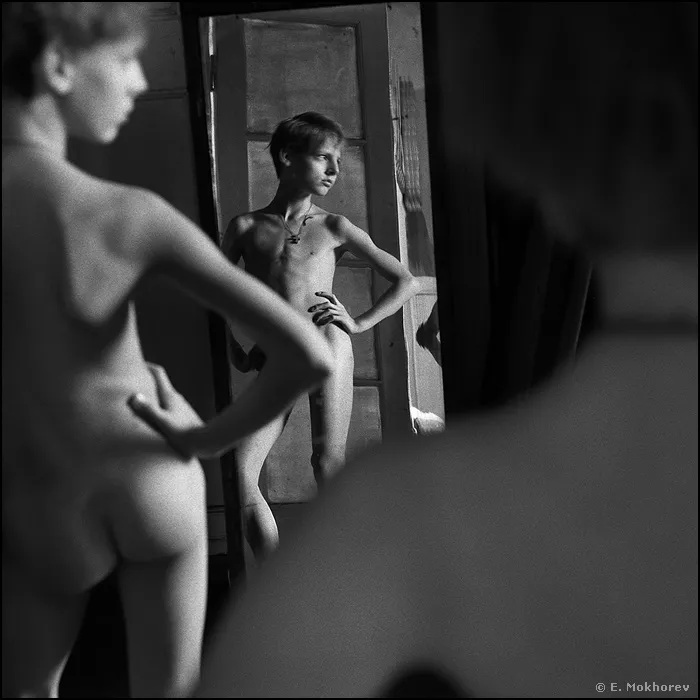
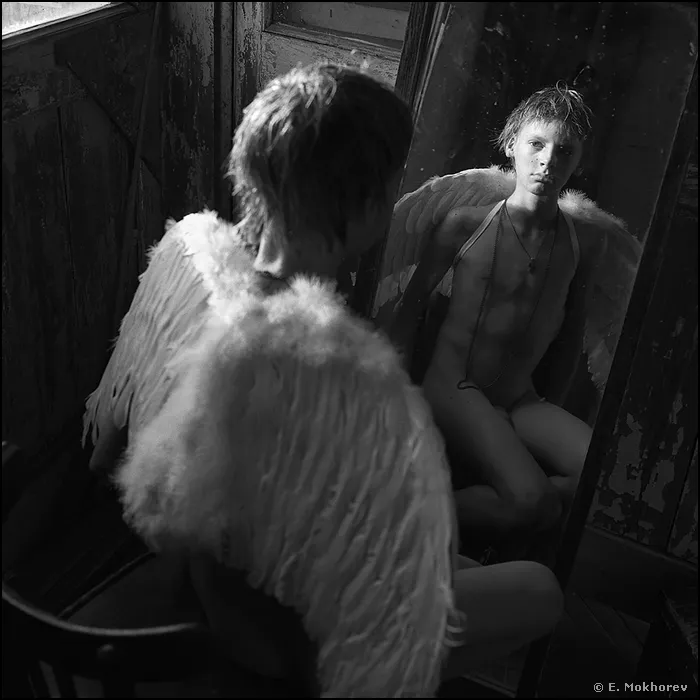
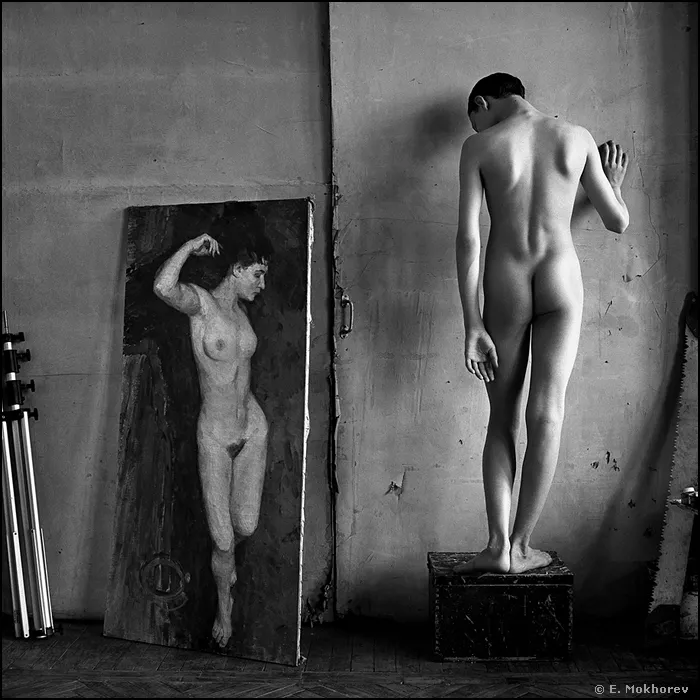
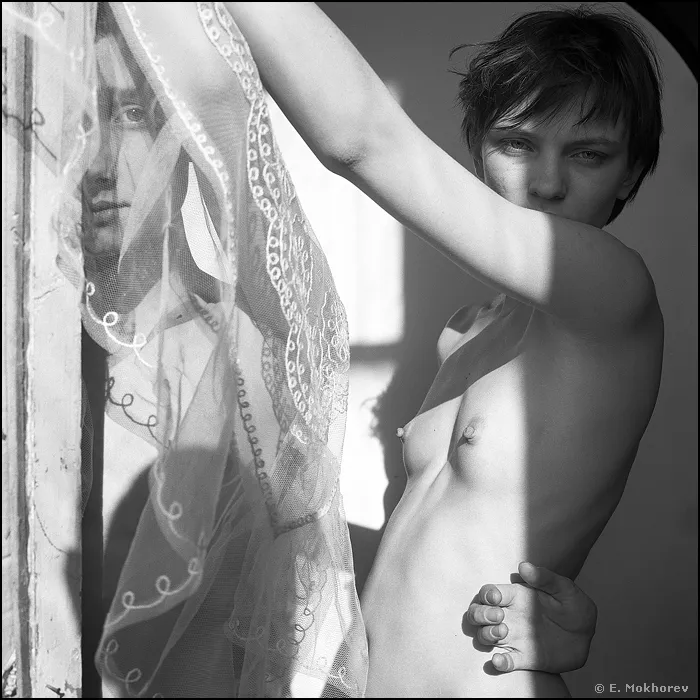
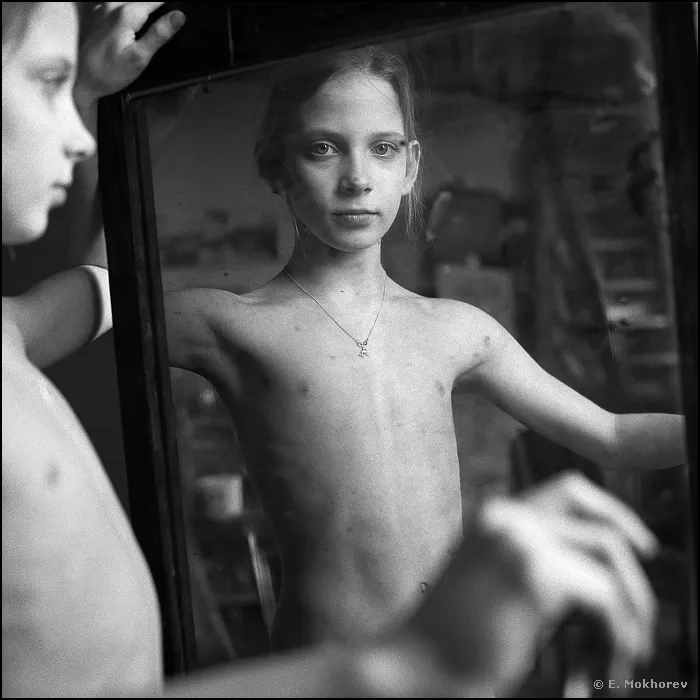

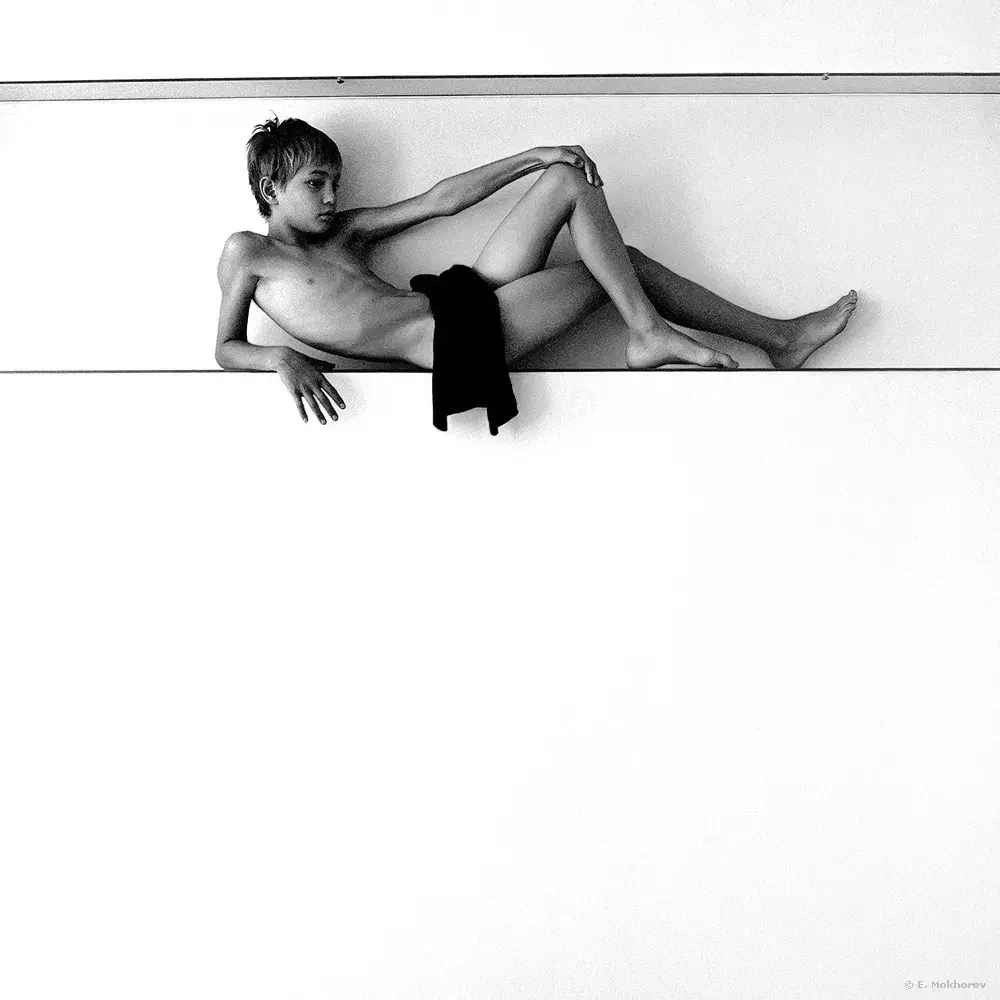
His signature style is marked by stark contrasts, meticulous attention to composition, and a heightened sensitivity to detail.
His images are often infused with a palpable tension — a subtle dance between the apparent innocence of youth and emerging self-awareness, between inherent vulnerability and surprising resilience. Mokhorev frequently captures his subjects in moments when they appear unguarded, sometimes nude or partially clothed, lending his work an intimacy that can at times feel unsettling. Series such as The Teenagers of St. Petersburg have received international recognition, showcasing his sustained focus on the liminal space between childhood and adulthood, all set against the distinctive cultural landscape of Russia in the 1990s and early 2000s.

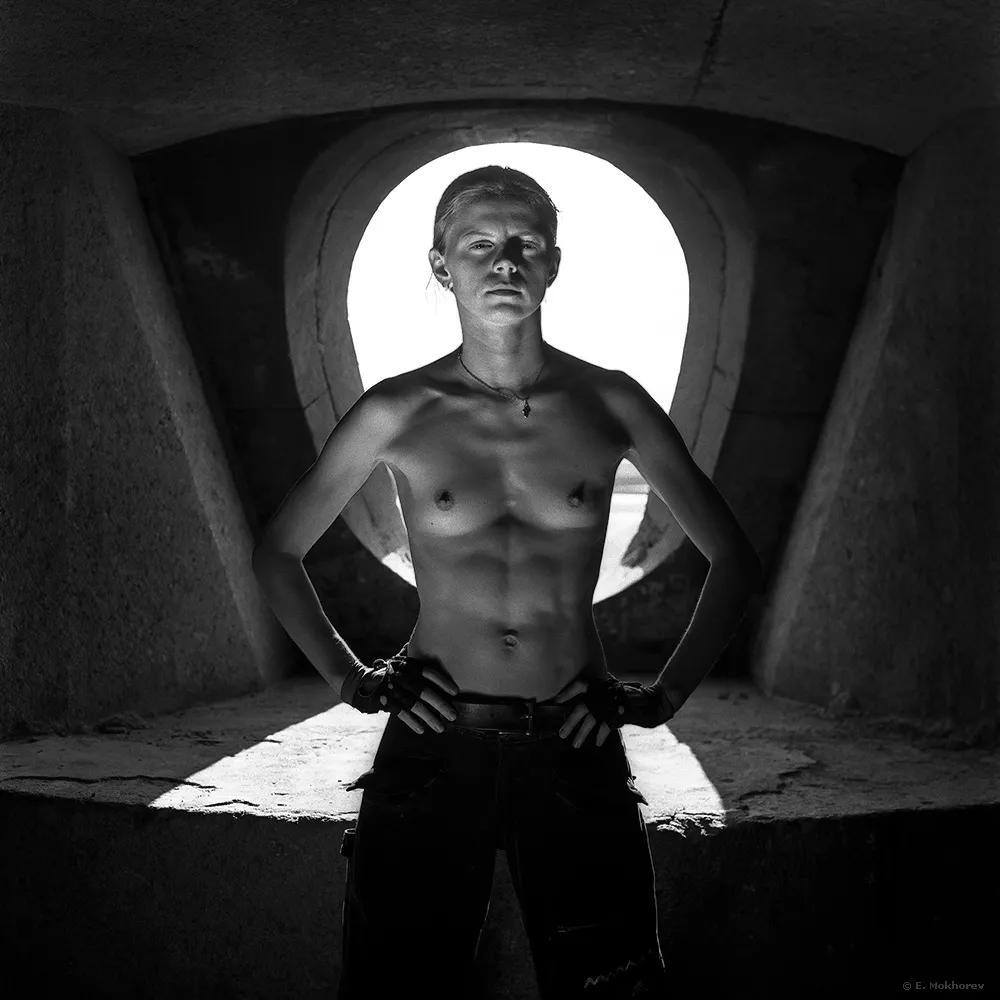
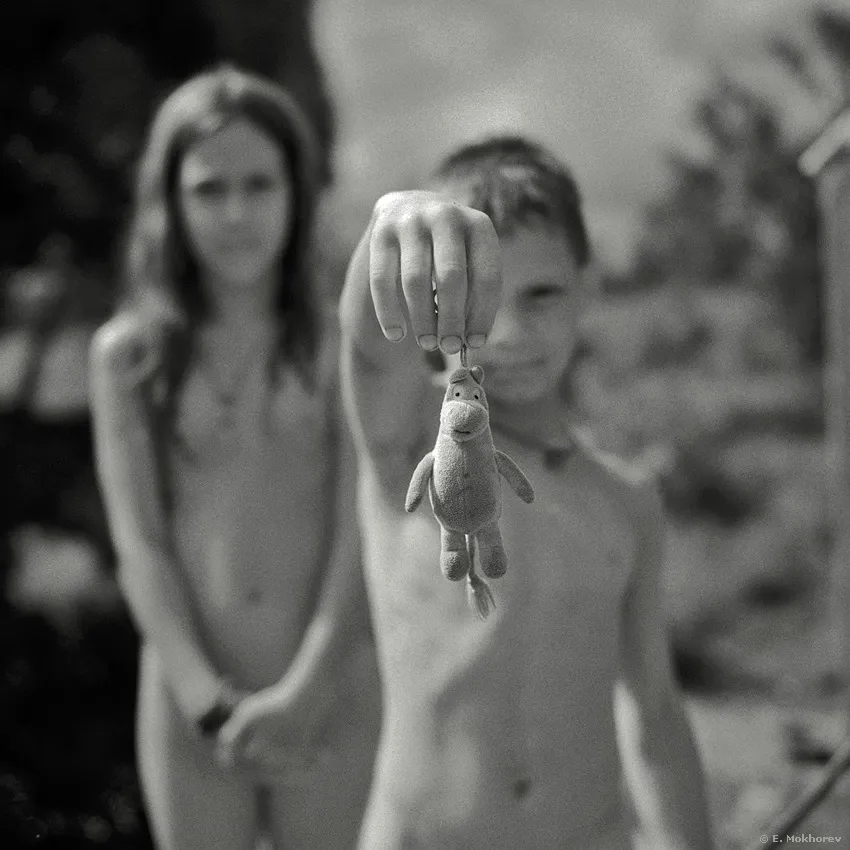
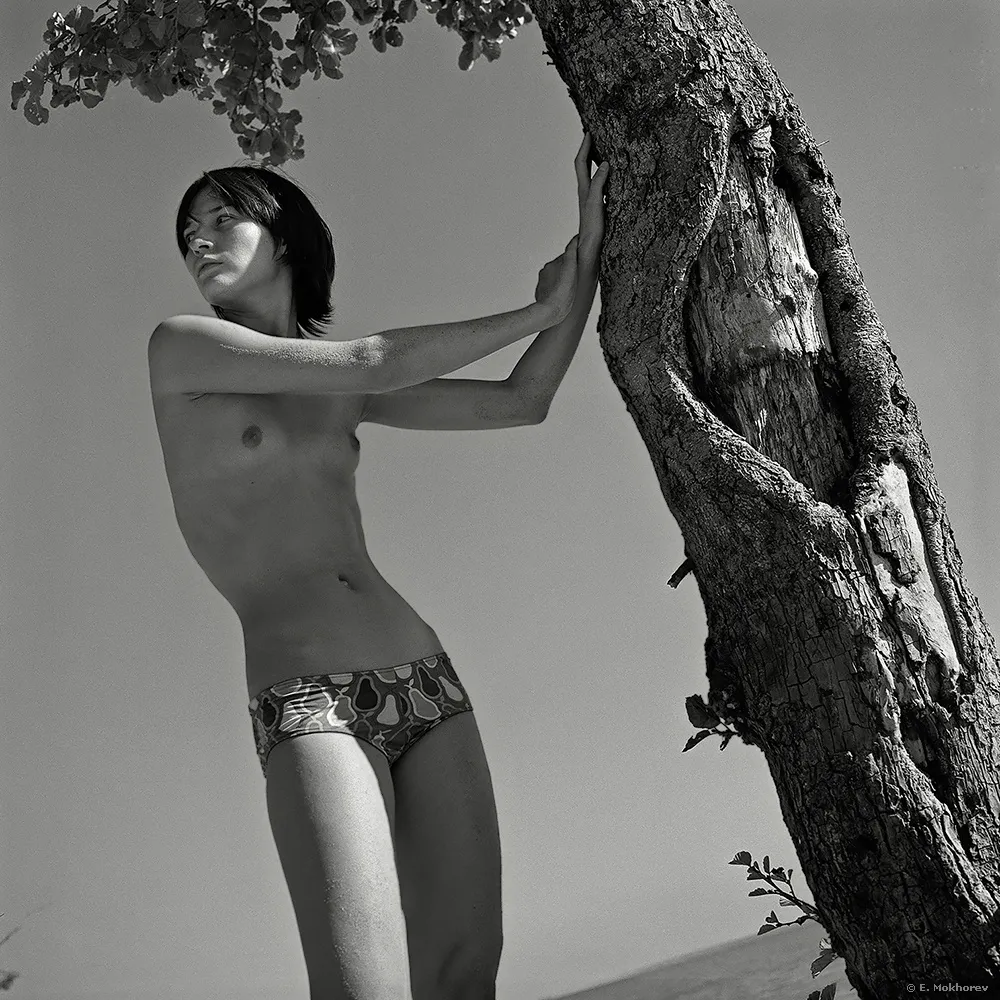
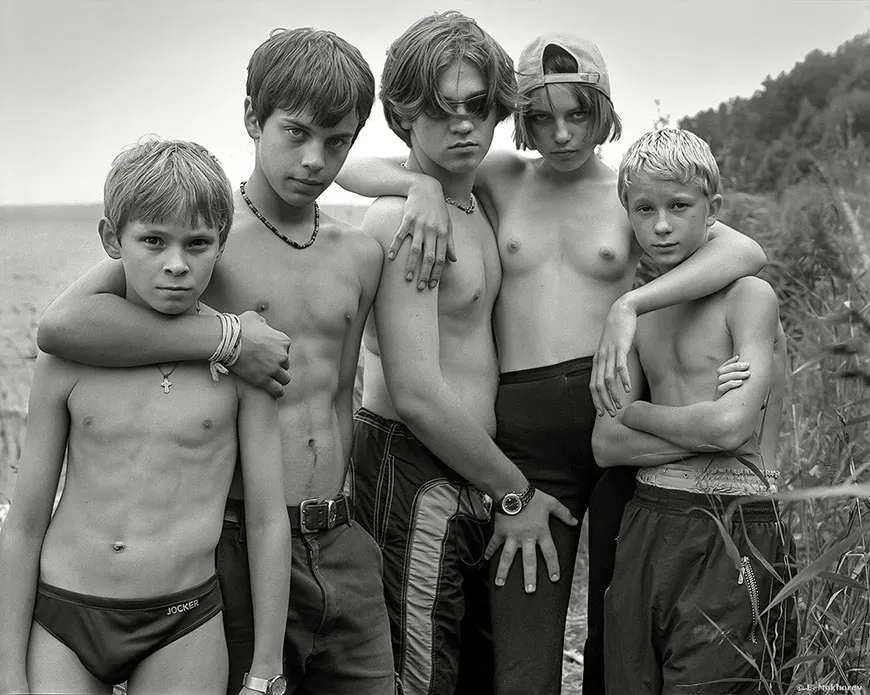
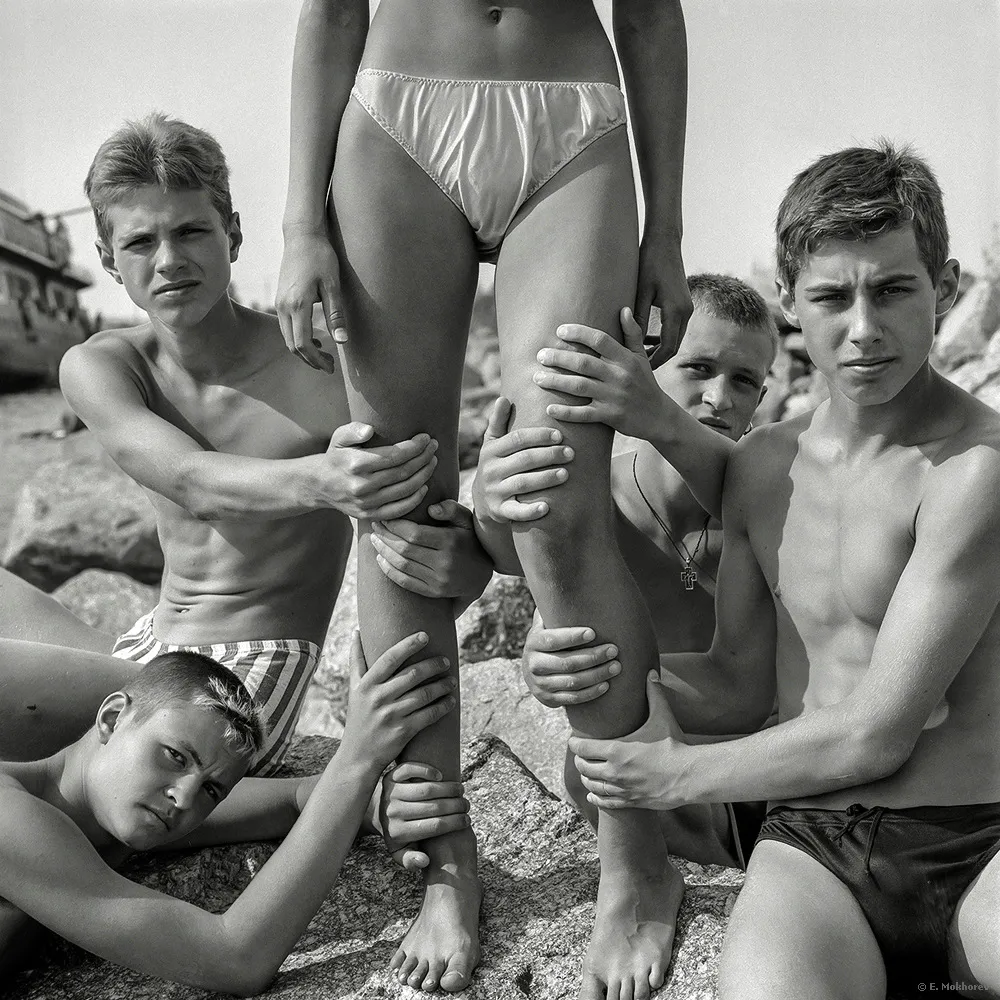
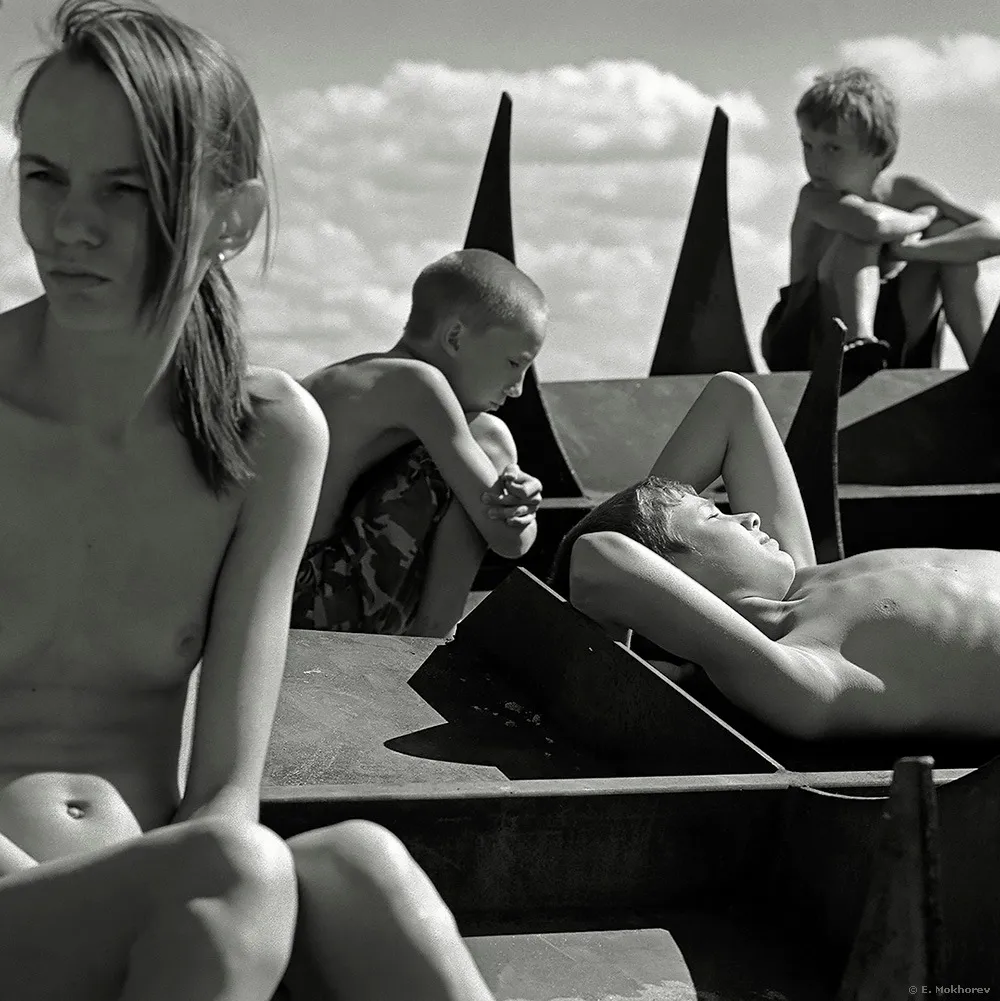

Further insight into Mokhorev’s artistic formation emerges from a profound experience in the early 1990s.
Invited by musician friends to a shelter for homeless children, he was confronted with a harsh reality. He witnessed the brutality of their environment, marked by violence, illness, and hunger, yet he also noticed an enduring “curiosity about life” in their young faces — a testament to their innate fragility and resilience.
This encounter deeply influenced his artistic direction, fueling his passion to explore what he described as “the marginal territories of adolescence, revelations of lost childhood, and the magical transformations into adult life.” He felt an overwhelming need to document “the extremity of the children’s situation, their life conflict, which is very tangible,” even considering their trauma deeply “photogenic” in the humane sense of the word.
This led to the creation of powerful series such as Games Children Play, which in the 1990s introduced the lives of St. Petersburg’s orphans and street children to an international audience. His exhibition Ambiguous Desires continued this exploration of the nuances of the transition from childhood to adolescence, examining the awakening of sensuality and the complex inner world of growing youth.
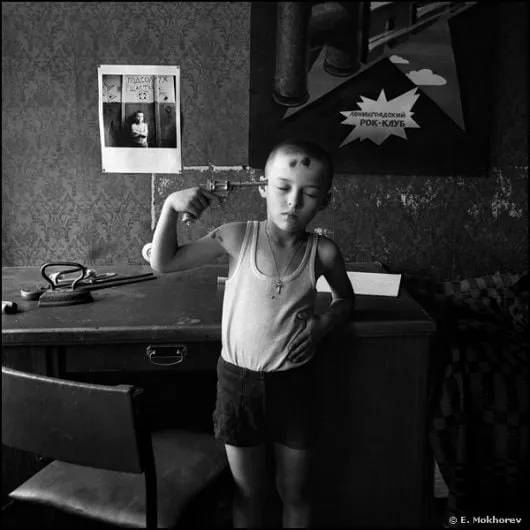
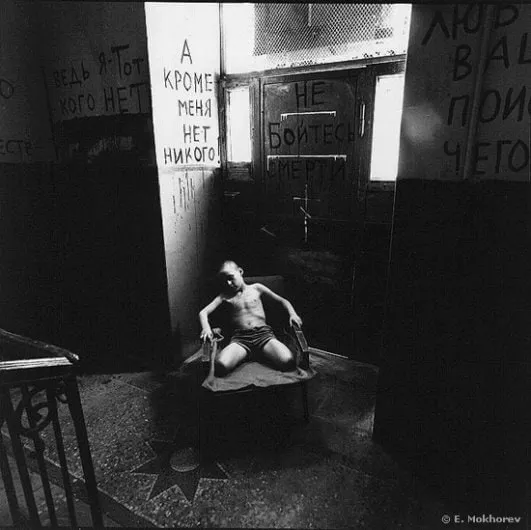
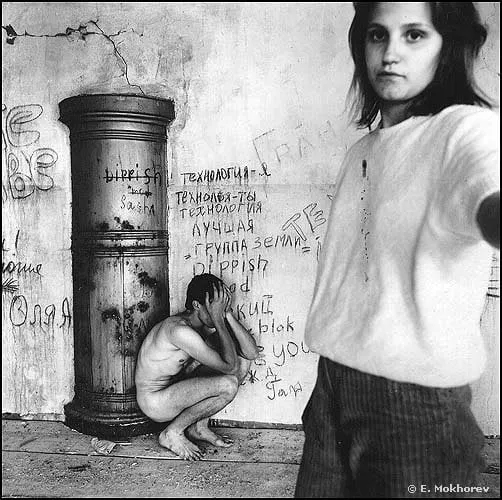
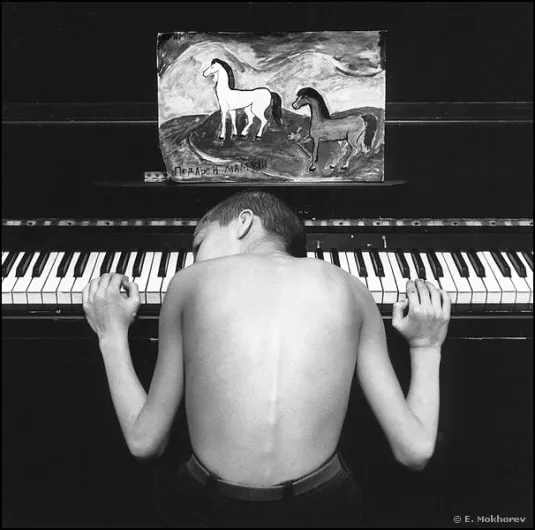
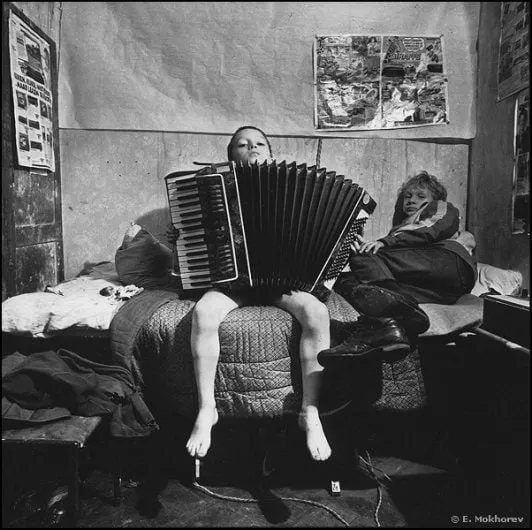
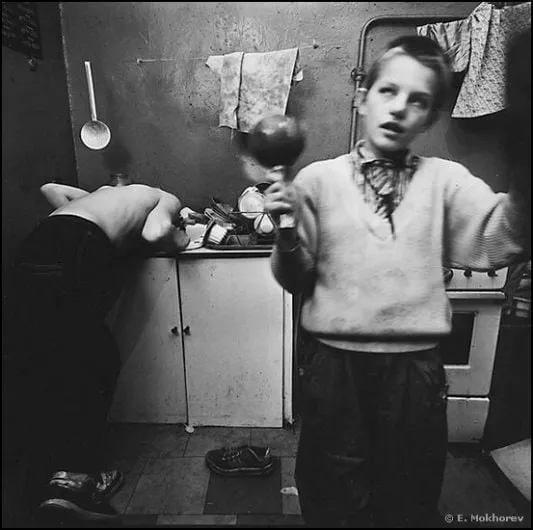
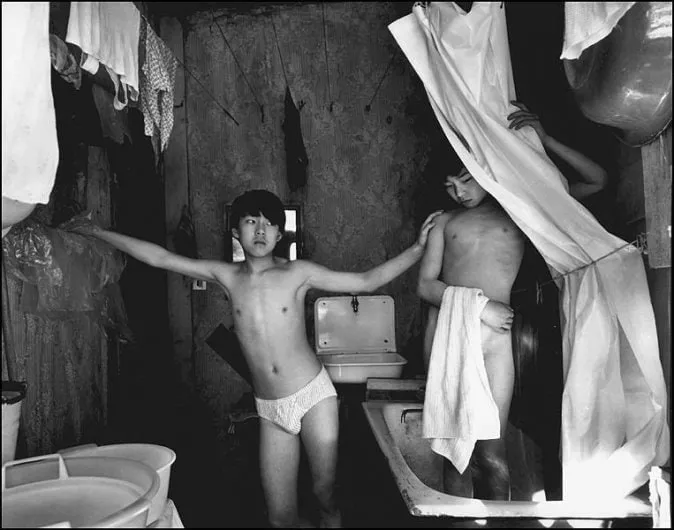
Mokhorev’s stated aim is to capture the “miracle of innocence and unfamiliar desires” expressed by his young subjects during this complex period of growth, encompassing both understanding and sexual awareness.