

- December 26, 2024 at 4:42 PM
-
601
On the edge: comparisons with fellow investigators
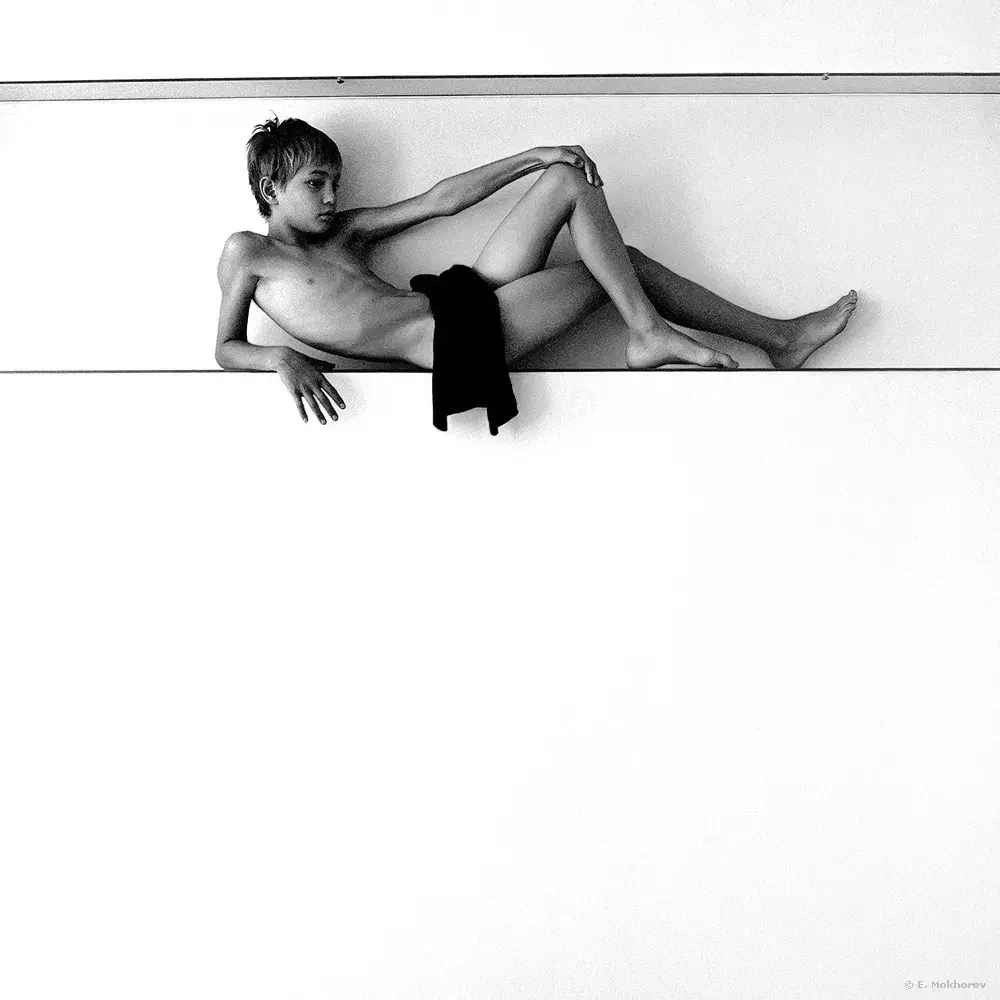
Mokhorev’s close attention to youth and his perspective naturally invite comparisons with other photographers who have dared to explore similarly controversial territory:
Larry Clark, an American photographer best known for his book Tulsa and the film Kids, focused on youth subcultures immersed in sex, drugs, and violence. Like Mokhorev, Clark examined adolescence as a time of risk and discovery. However, Clark’s work often feels more openly confrontational and deeply rooted in transgression, whereas Mokhorev’s images, though at times unsettling, tend to retain a more classical compositional structure and a sense of melancholic detachment. Clark’s close personal involvement with his subjects frequently blurred the line between observer and participant, raising ethical questions that differ from those surrounding Mokhorev’s more staged and distanced portraits.
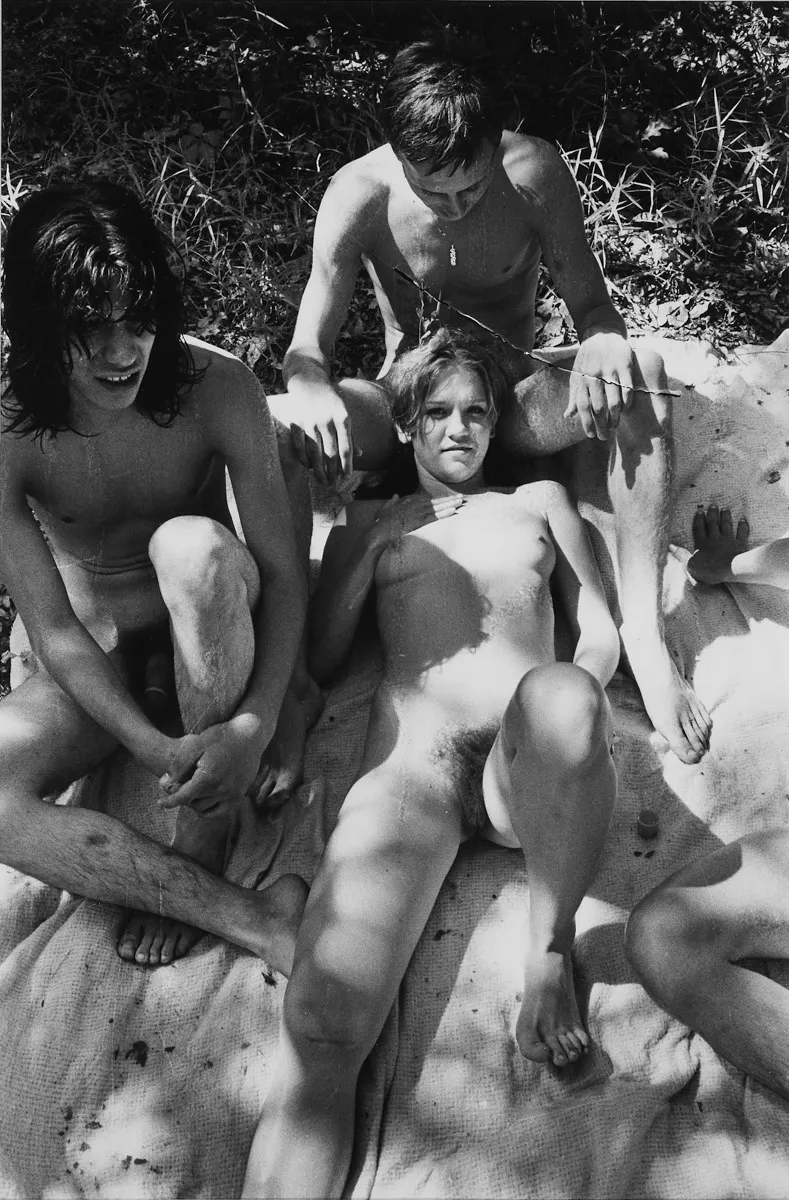
Nobuyoshi Araki, a provocative Japanese photographer, is known for his explicit depictions of sexuality, bondage (kinbaku), and the vivid life of Tokyo. Although both Mokhorev and Araki explore intimacy and challenge social norms, Araki’s work is often more performative and direct, addressing themes of power, desire, and mortality in a highly stylized and frequently confrontational manner. Mokhorev’s approach appears less overtly staged, instead aiming to capture a perceived reality, albeit one that is often intensified or dramatized. The differing cultural contexts — post-Soviet Russia versus postwar Japan — also play a significant role in shaping the reception and interpretation of their respective works.
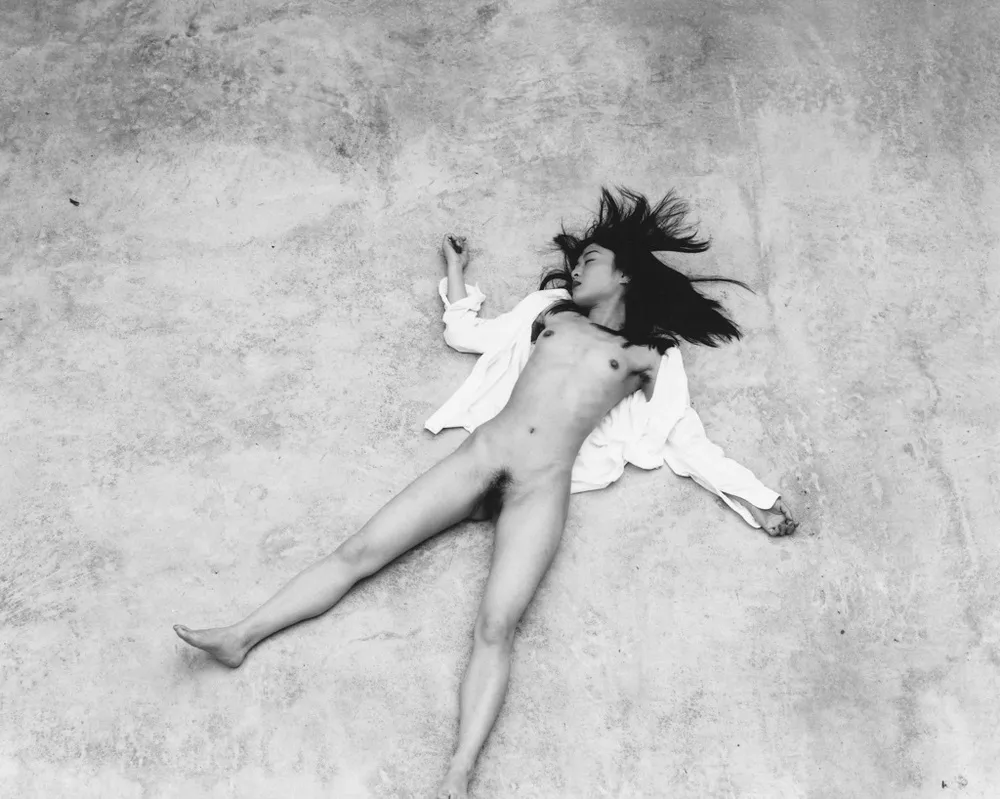
Sally Mann, known for her intimate and at times controversial portraits of her own children, often nude, in the series Immediate Family and At Twelve, explored themes of childhood, nature, and the passage of time. While both Mann and Mokhorev photograph children and adolescents, Mann’s work is fundamentally shaped by the context of family and her role as a mother, which adds layers of complexity regarding consent and the parental point of view. The controversies surrounding her work were largely tied to American cultural sensitivities concerning child nudity, privacy, and potential exploitation, even within the family.

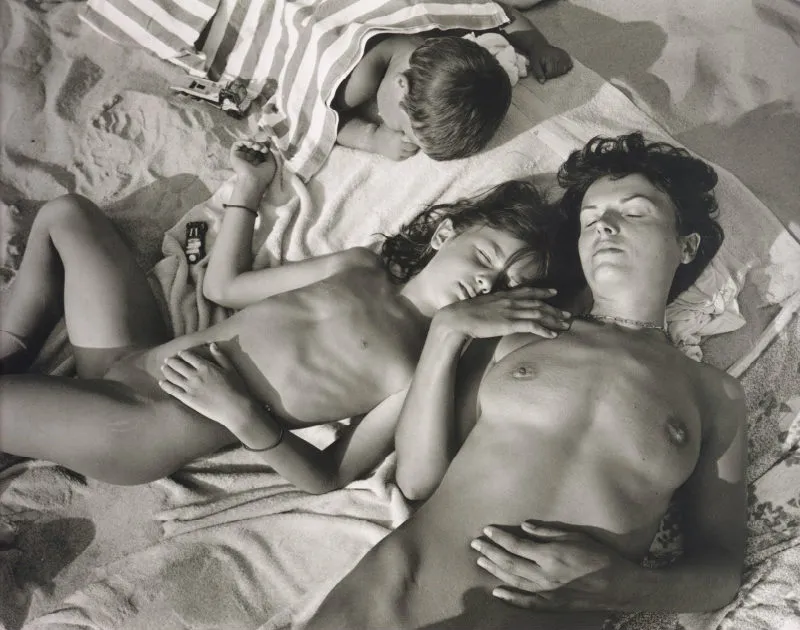
Jock Sturges, like Mann, photographed families, often nude, within nudist communities. His work encountered legal difficulties and intense public debate over similar issues of the representation of children and the fine line between art and child pornography. Although Mokhorev’s subjects are generally not situated within a specific “nudist” context, the depiction of unclothed minors inevitably draws parallels with the controversies that surrounded Sturges’s work.
Ethical tightrope: a constant balancing act
Mokhorev’s work, alongside that of his contemporaries who explore similar themes, inevitably compels us to confront profound ethical questions:
- Nuances of consent and vulnerability. How can truly informed consent be obtained when photographing minors, especially when they may be in vulnerable situations or depicted nude? Does the photographer bear an even greater responsibility when the subjects are young and may be less able to fully comprehend the long-term consequences of being photographed and of the public circulation of these images? Mokhorev’s early work with homeless children in St Petersburg shelters highlights the inherent complexities of this issue. Although he himself noted that these children often did not perceive themselves as “vulnerable, disadvantaged, and unhappy,” quickly adapting to their circumstances, the inherent power imbalance between an adult photographer and a child in such unstable conditions remains a crucial ethical consideration.
- The fine line between art and exploitation. Where exactly does the boundary lie between a sensitive artistic exploration of adolescence and the potential exploitation of young subjects? Can the perceived aesthetic quality or the artist’s stated intention truly justify images that may cause discomfort for viewers or potentially place the subjects at risk? Mokhorev has stated that although he depicts his young subjects nude, his intention is not to present them in a sexualized manner, nor is he interested in their sexuality in this context. His goal, he argues, is to capture the “miracle of innocence and unfamiliar desires” that characterize this transitional stage of life. This intention is further underscored by the observation that, unlike pornography—which is driven by the desire of the other—Mokhorev’s young subjects often appear unaware of their own awakening desires, offering a glimpse into the values of an emerging generation. Nevertheless, despite these intentions, the possibility that viewers may interpret these images through their own subjective lenses, and that the subjects themselves may later suffer from their public exposure, remains a serious ethical concern.
- The formative gaze of the photographer. What is the fundamental nature of the power dynamics between an adult photographer and a young subject? How does the photographer’s own perspective—in Mokhorev’s case, that of an adult man—inevitably shape the representation of youth, particularly when attention is focused on young girls? This question becomes especially significant given Mokhorev’s sustained focus on adolescence and his frequent depiction of subjects in intimate or nude states. The gaze of an adult man, even with the most sincere artistic intentions, carries an inherent potential for objectification that demands careful scrutiny.
- The weight of interpretation and context. To what extent does a specific cultural and historical context, such as post-Soviet St Petersburg, influence our understanding and evaluation of these images? Can an image be considered artistically valuable or even acceptable in one context, yet be seen as deeply problematic in another? The unique socio-political landscape of post-Soviet Russia, marked by significant upheaval and shifting social norms, undoubtedly played a role in shaping both Mokhorev’s artistic vision and the initial reception of his work. Understanding this particular context is essential for a nuanced and informed interpretation of his photographs.
- The unseen impact on those photographed. What are the potential long-term consequences for individuals who were photographed in childhood or adolescence in such an explicit manner? This is a question that consistently arises in ethical debates surrounding the photography of minors. Although Mokhorev has noted that the children he photographed often did not perceive themselves as vulnerable at the time, the possibility that these images may resurface later in their lives and exert unforeseen and potentially negative effects remains a serious ethical issue that cannot be ignored.
By contrasting his work with pornography, Mokhorev suggests that while pornography is “condensed” and focused on immediate desire, his images of young boys—who often appear unaware of their own emerging sexuality—offer insight into the values of a forming generation. He views his photography as a metaphor for the broader world, proposing a vision of an “ideal and protected world” articulated at the level of the human body.
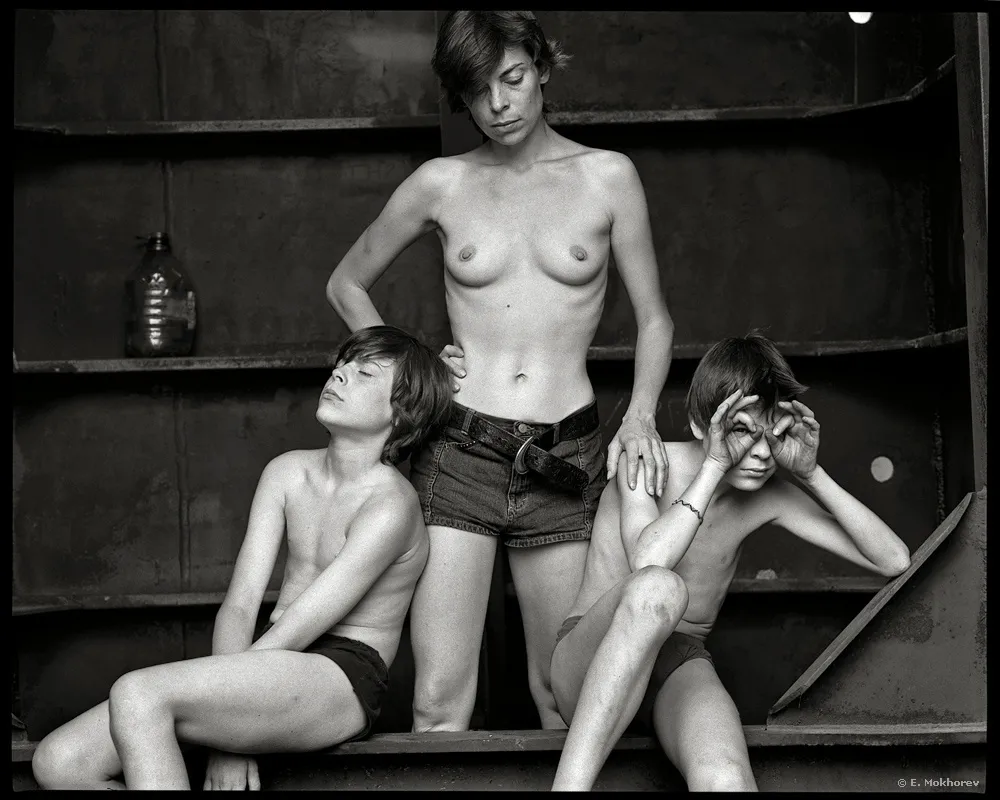
A legacy of unsettling beauty and ongoing ethical debate:
Evgeny Mokhorev’s photography offers a compelling, though at times disquieting, window into the world of youth navigating the complexities of coming of age at a specific time and in a specific place. His work undeniably possesses strong aesthetic power and emotional resonance. Yet, like that of other artists who have explored the more fragile and controversial aspects of human experience—such as Larry Clark and Nobuyoshi Araki—Mokhorev’s images demand more than mere aesthetic appreciation. They compel us to engage in critical and ongoing reflection on the profound responsibilities of the artist, the complex nature of representation, the subtle nuances of consent, and the enduring, often uncomfortable, relationship between art, ethics, and the societies that produce and consume it. His legacy lies not only in the haunting beauty of his photographic prints, but also in the vital and necessary conversations his work continues to provoke about the fragile ethical tightrope walked by those who choose to document vulnerable stages of human life.
Comments