

Table of content
1. Early Years: Searching for Identity2. The Americans: Breakthrough and Controversy
3. Robert Frank, Sarah Greenough, Ed Ruscha and Joel Meyerowitz on The Americans (Interview 2009)
4. Elson Lecture 2009: Robert Frank
5. A Shift to Cinema: Exploring New Forms
6. Later Work: Intimacy and Sincerity
7. This kind of photography is realism. But realism is not enough—there has to be vision, and the two together can make a good photograph
8. Don’t Blink
9. Robert Frank at Sotheby’s (download Sothebys’s catalogue of all Frank’s artworks)
- October 19, 2024 at 8:58 AM
-
22.6K
Early Years: Searching for Identity
Robert Frank was born in 1924 in Switzerland to a Jewish family that fled Germany due to Nazi persecution. These formative years shaped his worldview, instilling a unique sense of anxiety and observational prowess. From a young age, he was captivated by art, particularly photography, which he began to explore during World War II. Initially working as a photojournalist in Switzerland, his desire to see the world more broadly drove him to immigrate to the United States in 1947.
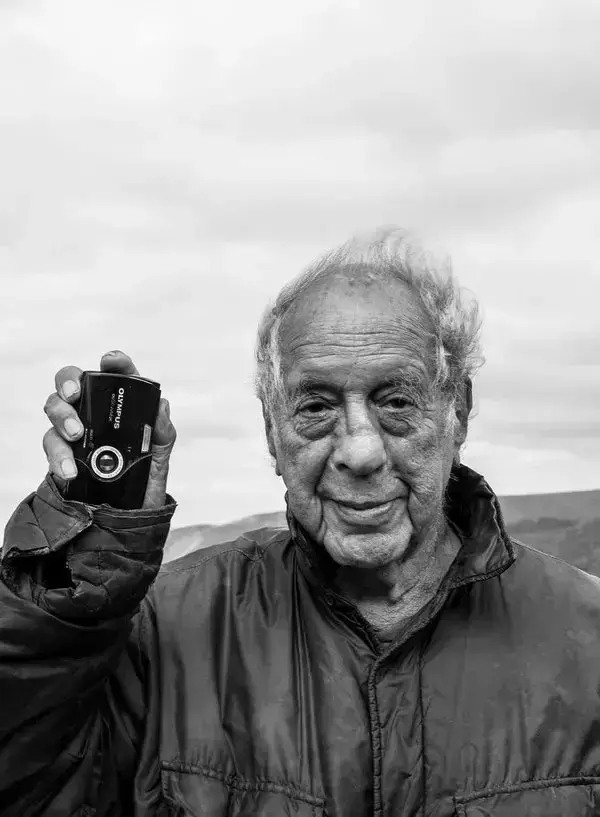
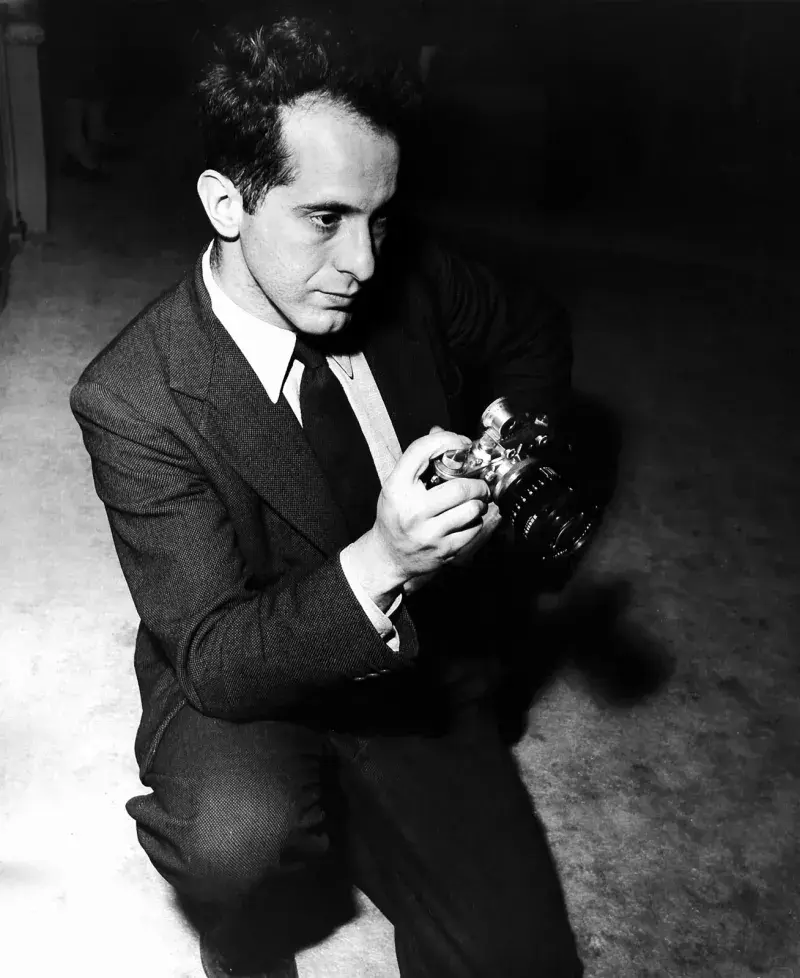
He began by studying photography in his late twenties. He was working in Switzerland at the time, doing commercial work for a graphic design studio. It wasn’t until 1947 that he traveled to the US, and was almost promptly hired by Alexey Brodovitch and started working for Harper’s Bazaar. Although he originally used a Rolleiflex TLR camera, it was Brodovitch who convinced him to use a Leica III. He felt it was more conducive to his style,…which was strange because fashion magazines at the time didn’t much care for 35mm work.
Upon arriving in New York, he found himself in the heart of a vibrant cultural landscape that opened limitless creative possibilities. He began to take his first steps in the photographic arts, capturing the everyday life of a city that he claimed inspired him with its dynamism. His early works demonstrate a desire to “say everything in one frame,” reflecting the complex emotions and dynamics of urban life.
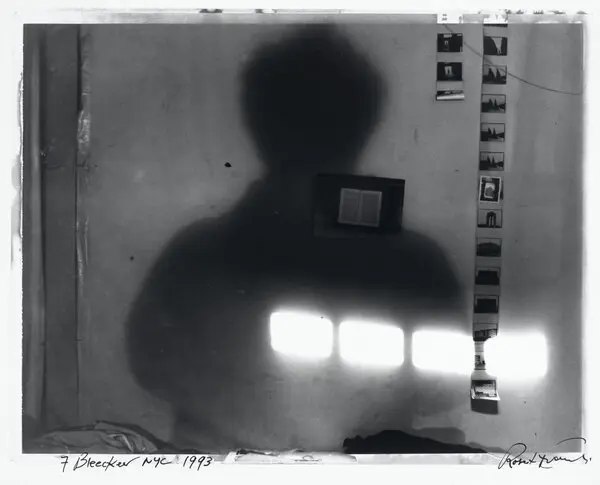
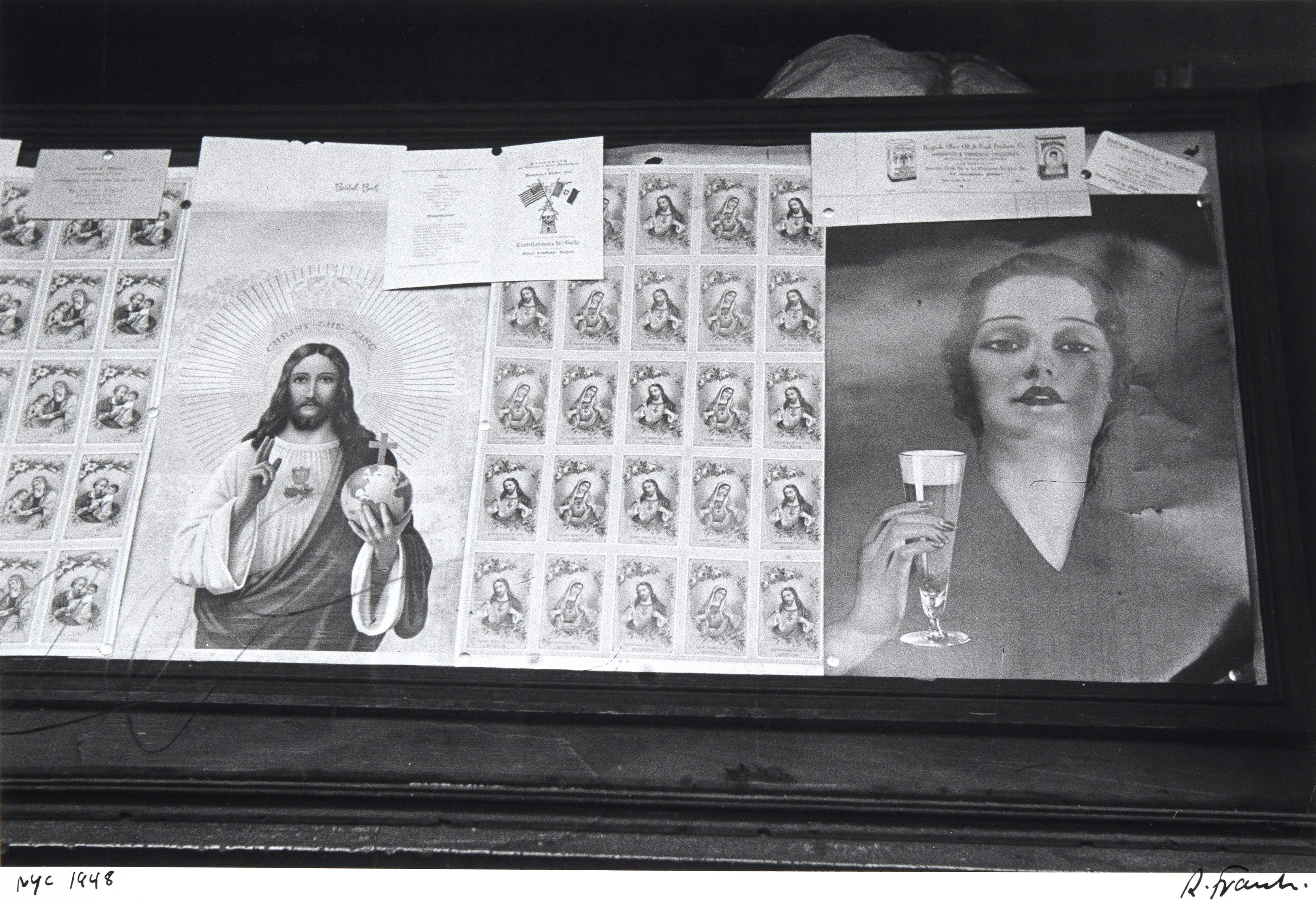
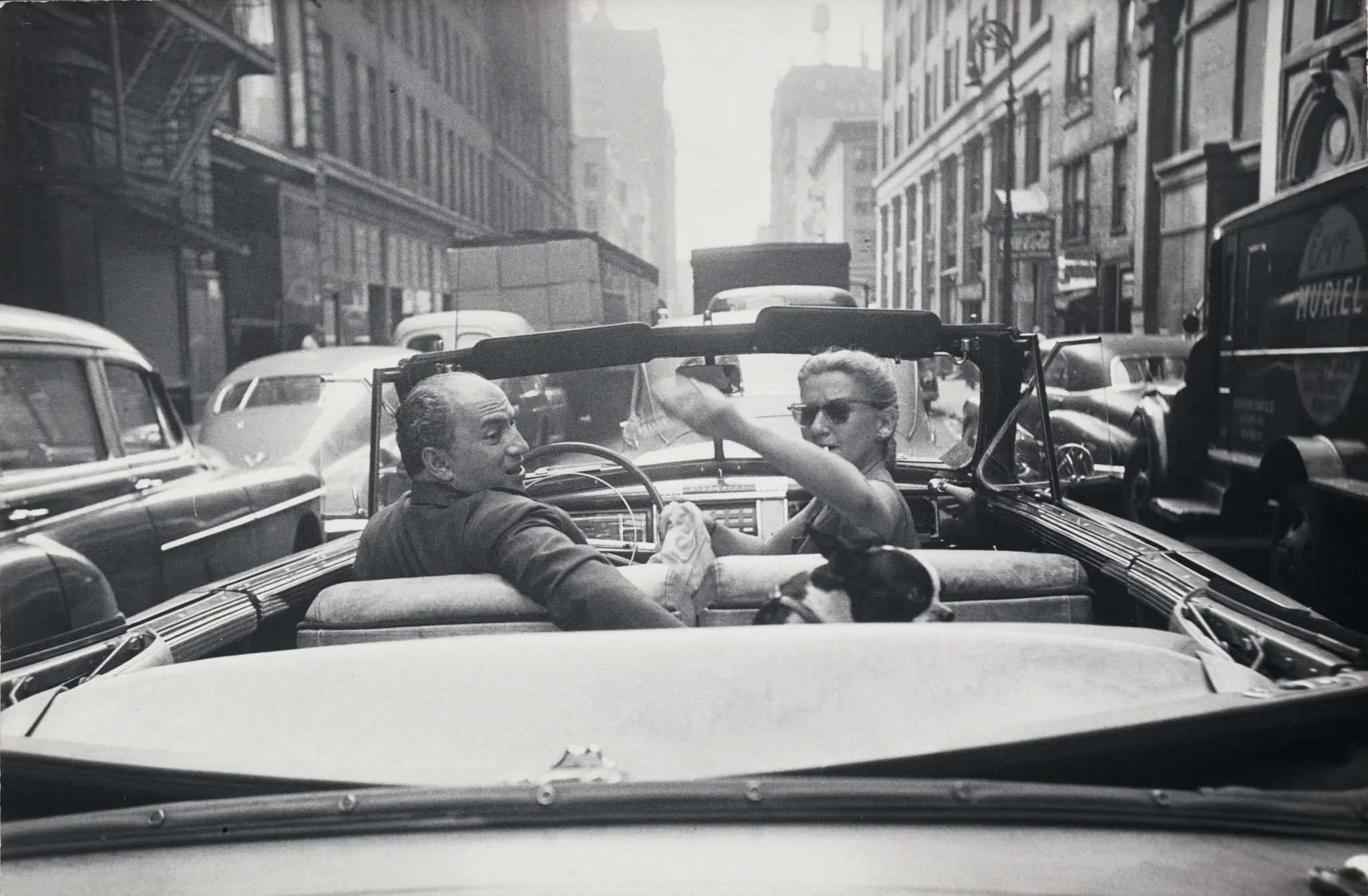
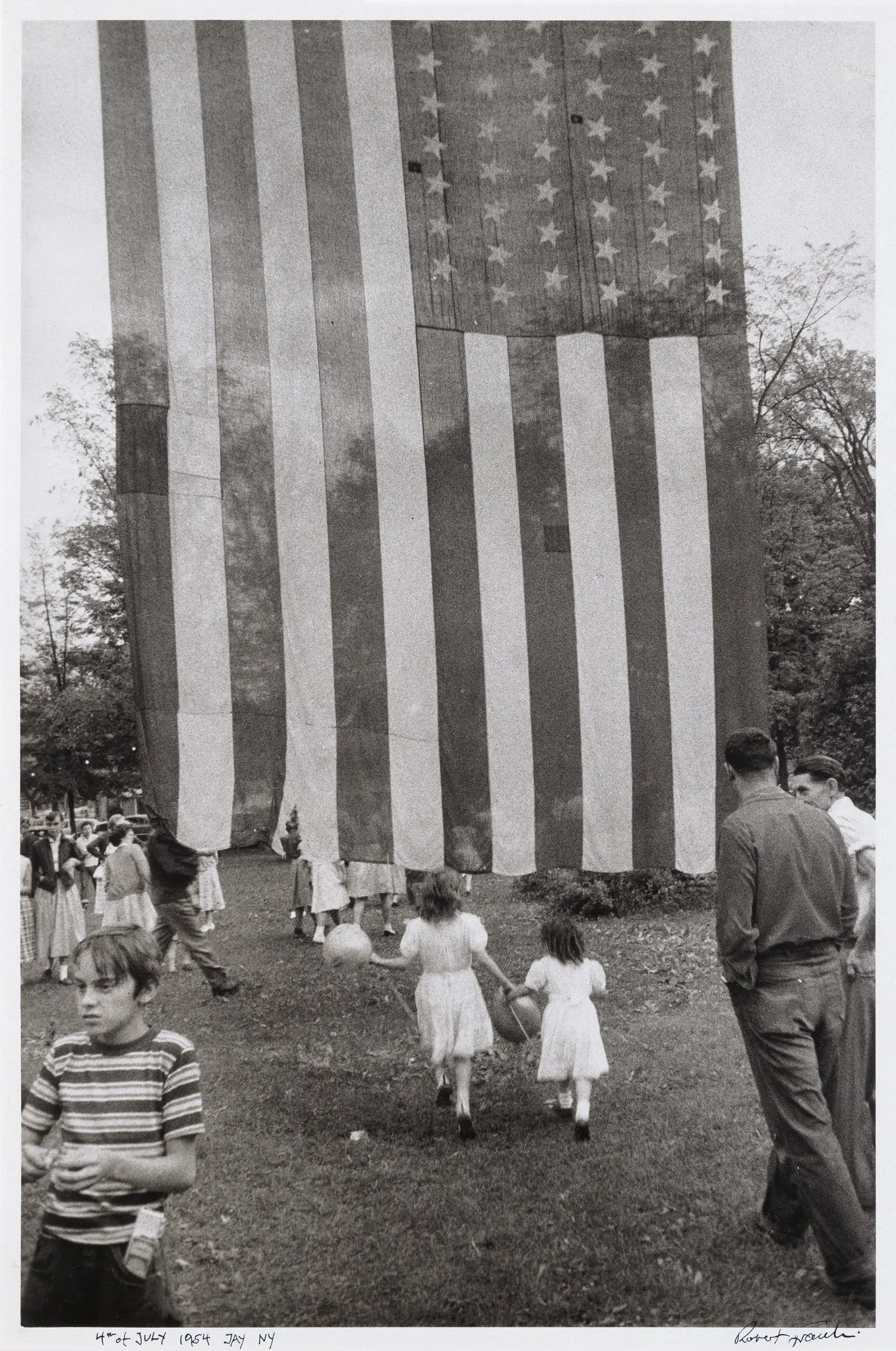
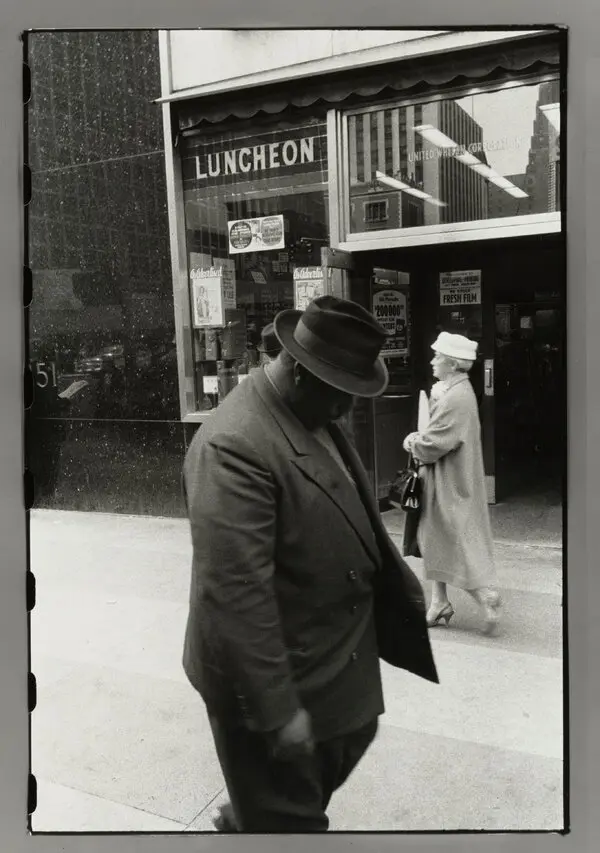
In his initial photographs, he used ordinary moments to create emotional context, showcasing a life filled with both joy and sorrow. This approach was groundbreaking at the time and foreshadowed future changes in the realm of photography. His admiration for the works of masters like Edward Weston and Walker Evans influenced his style, adding elements of realism and documentary storytelling.