

Table of content
1. Early Years: Searching for Identity2. The Americans: Breakthrough and Controversy
3. Robert Frank, Sarah Greenough, Ed Ruscha and Joel Meyerowitz on The Americans (Interview 2009)
4. Elson Lecture 2009: Robert Frank
5. A Shift to Cinema: Exploring New Forms
6. Later Work: Intimacy and Sincerity
7. This kind of photography is realism. But realism is not enough—there has to be vision, and the two together can make a good photograph
8. Don’t Blink
9. Robert Frank at Sotheby’s (download Sothebys’s catalogue of all Frank’s artworks)
- October 19, 2024 at 8:58 AM
-
22.4K
A Shift to Cinema: Exploring New Forms
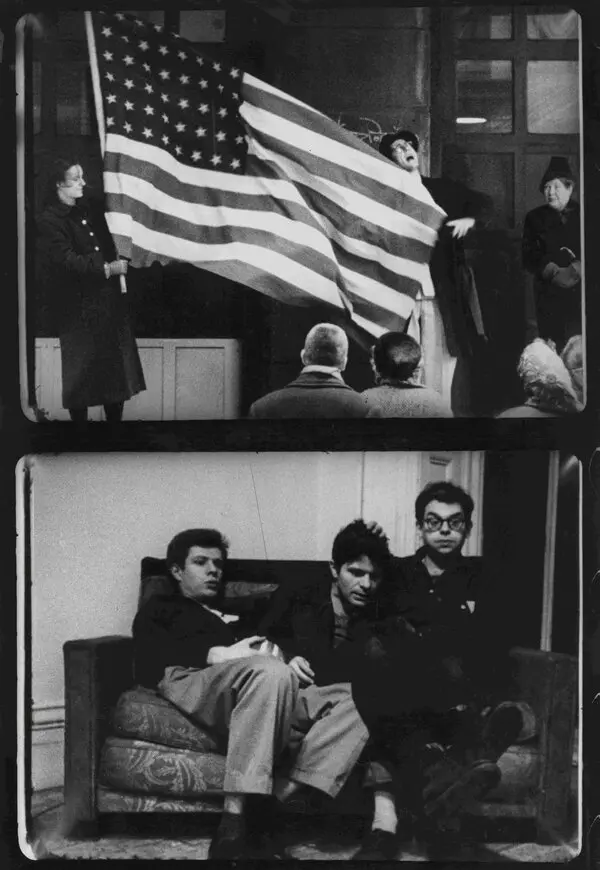
After the success of "The Americans," Robert Frank began seeking new forms of expression, leading him to the world of cinema. In 1959, he began working on his first films, such as "Pull My Daisy," which were experimental and reflected the bohemian life of New York at that time.
His work in film was innovative, merging documentary elements with fictional narratives to create a unique visual language.
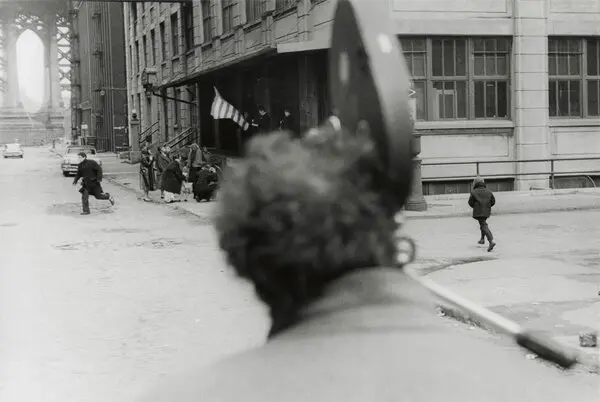
In his films, he explored the same themes as in his photography: identity, human relationships, and cultural differences. This was achieved through editing decisions that created a sense of fragmentation and spontaneity. Frank was searching for new avenues of expression, aiming to convey the same emotions he expressed in his photographic work.
Despite his pursuit of cinema, many felt that his photographic genius did not transfer well to filmmaking. This created internal anxiety and uncertainty about his talent. As he remarked: “Film is another art form, and I needed to learn how to understand it.” He continued to create both short and feature films; however, his photographic work remained central to his artistry.
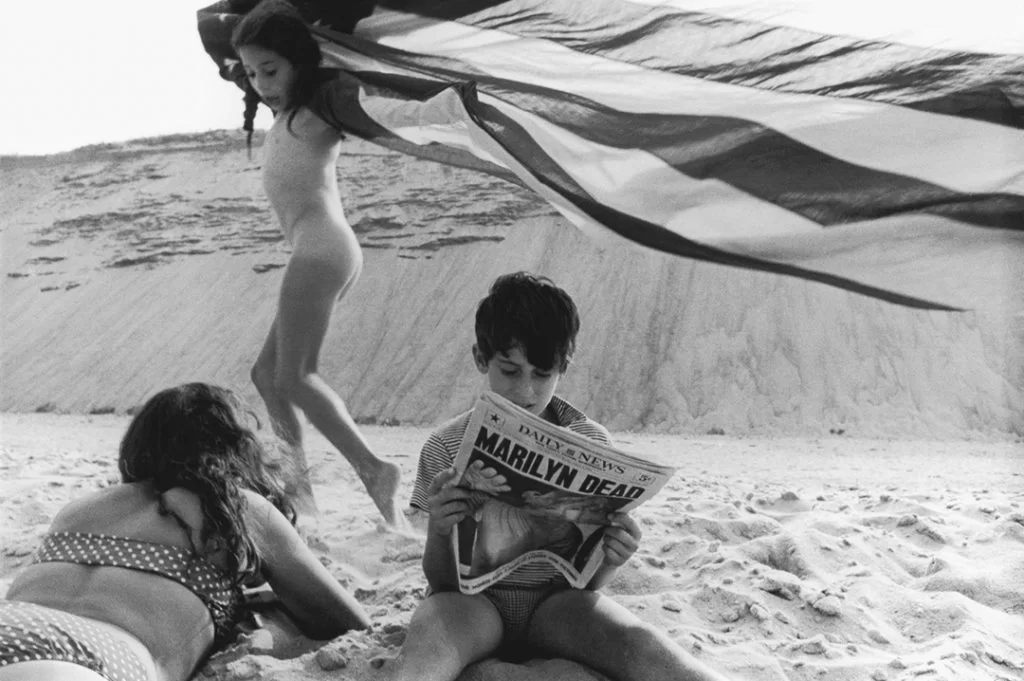
This period became a time of exploration for him: as a photographer, he sought to investigate his ideas through cinema, but gradually realized that photography remained his true passion. This led him to create new and more personal works, where he returned to film photography, incorporating elements learned from his cinematic experiences.
Comments