

- December 18, 2025 at 5:48 PM
-
46.0K
Christopher Anderson
Christopher Anderson is one of the key figures in contemporary documentary photography — a person who consciously fights against impersonal, “soulless” visuality and insists on photography as personal experience rather than a formal reflection of facts.
He is also one of the contemporary photographers whose work I personally admire.
Born in Canada and the son of a minister, he grew up in West Texas and was early immersed in a world where searching for meaning and questions of faith mattered just as much as the depiction of reality.
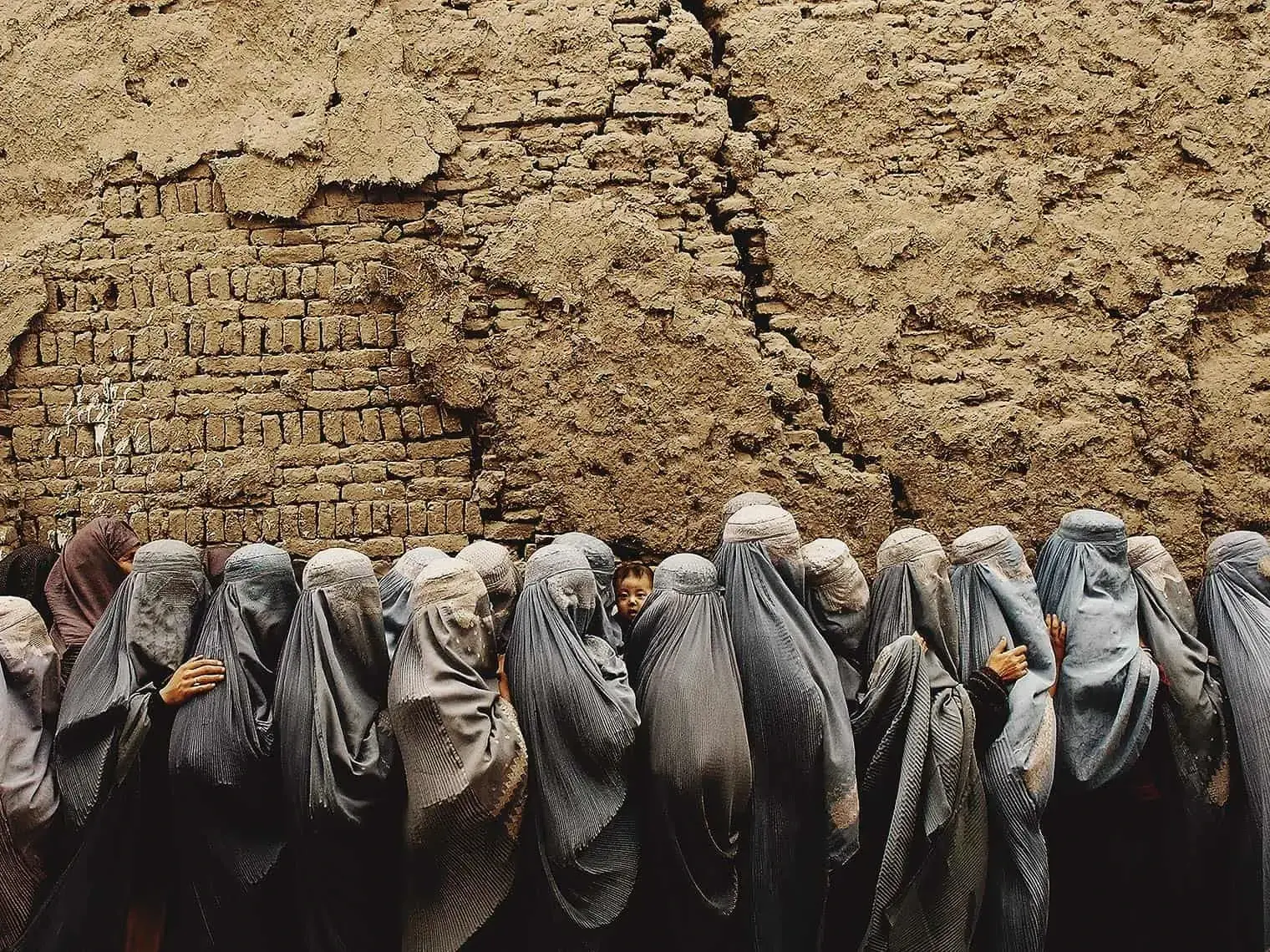
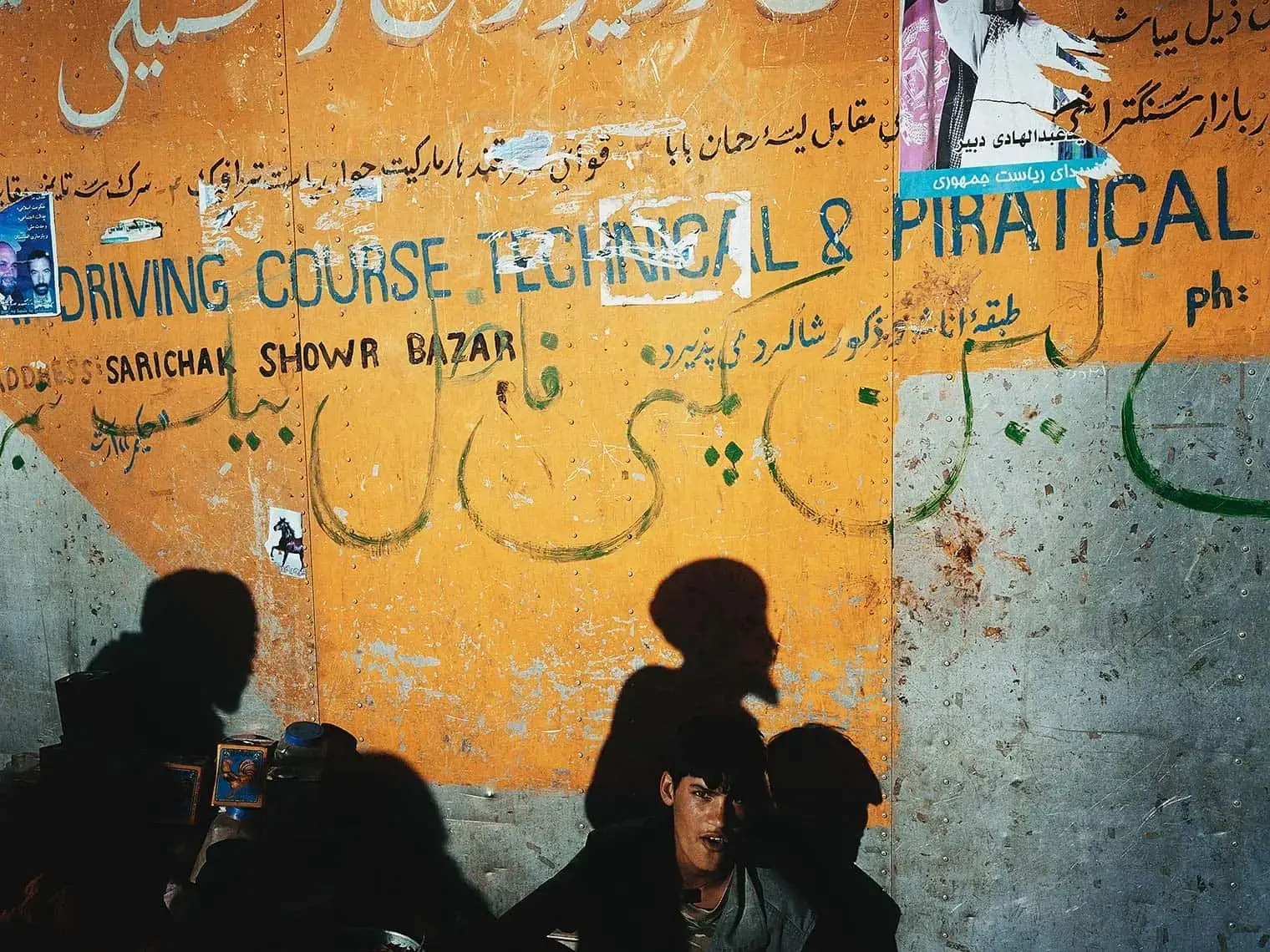
His path to recognition did not come immediately. After his first publications at the Dallas Morning News, he spent several years as a staff photographer in Colorado and later secured a contract with U.S. News & World Report, documenting the social aftermath of global crises — from post-Soviet Russia to Afghan refugee camps in Pakistan. These journeys gradually shaped his conviction: photography should not record — it should be lived.
The turning point arrived in 1999. Anderson boarded a homemade boat with Haitian migrants desperately attempting to reach the United States. The boat sank in the Caribbean; some of the passengers died. But the resulting series, published on the cover of The New York Times, had the impact of a revelation: Anderson’s camera showed tragedy without distance, without journalistic coldness — with emotional directness.
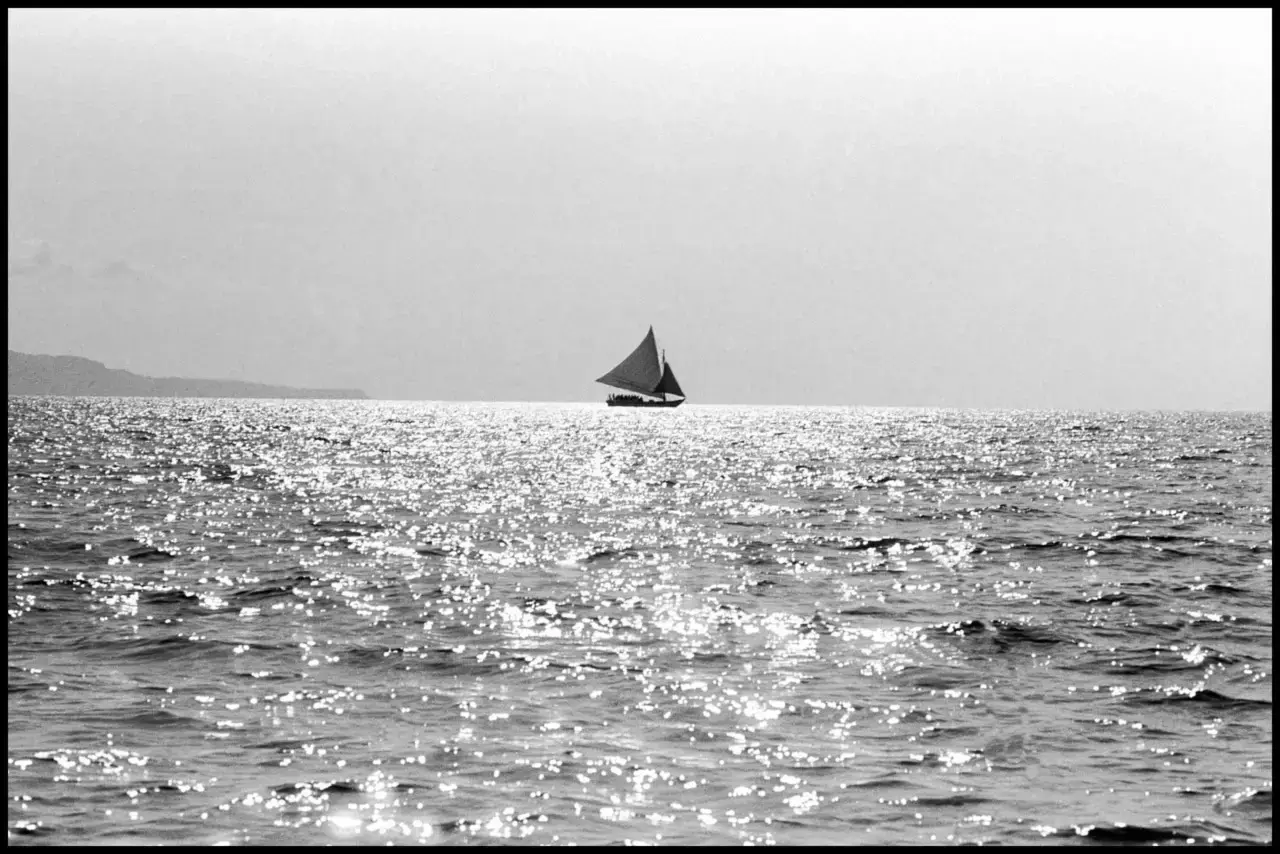
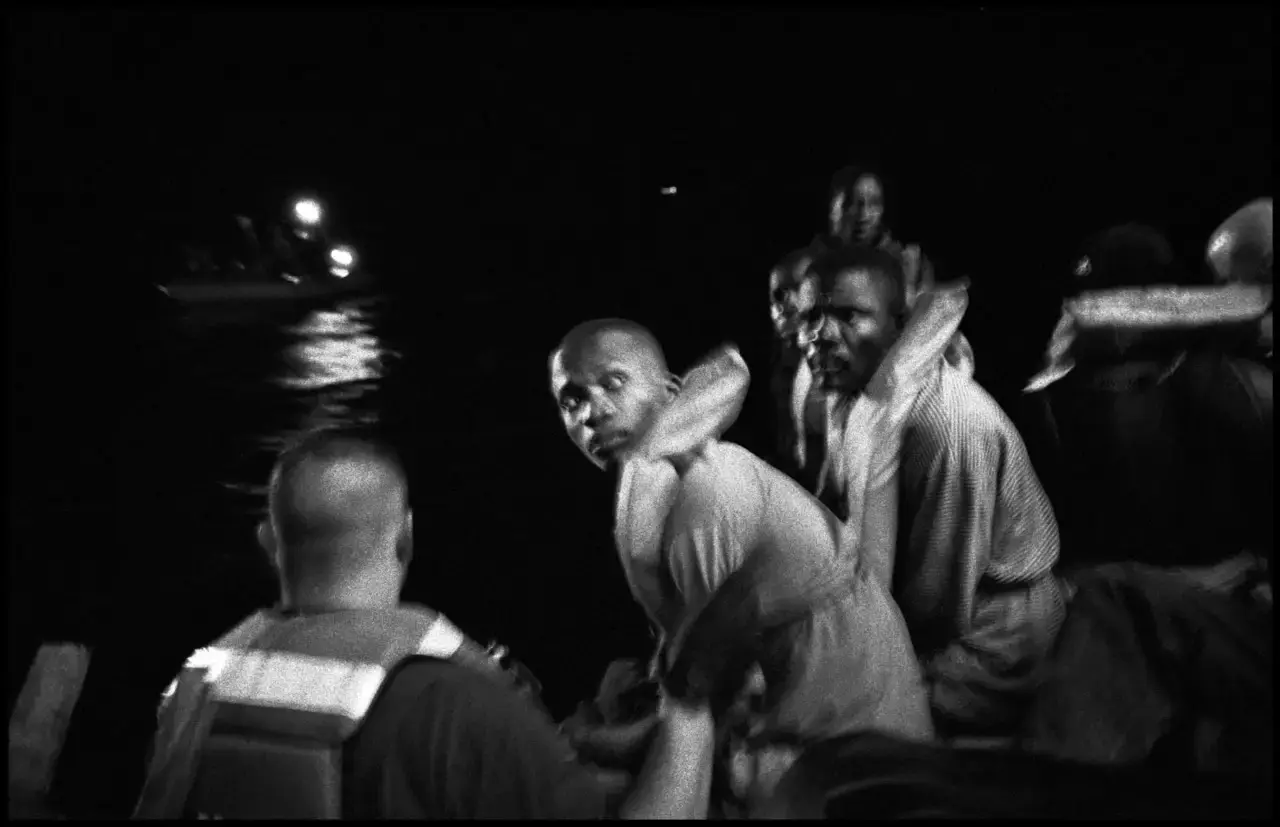
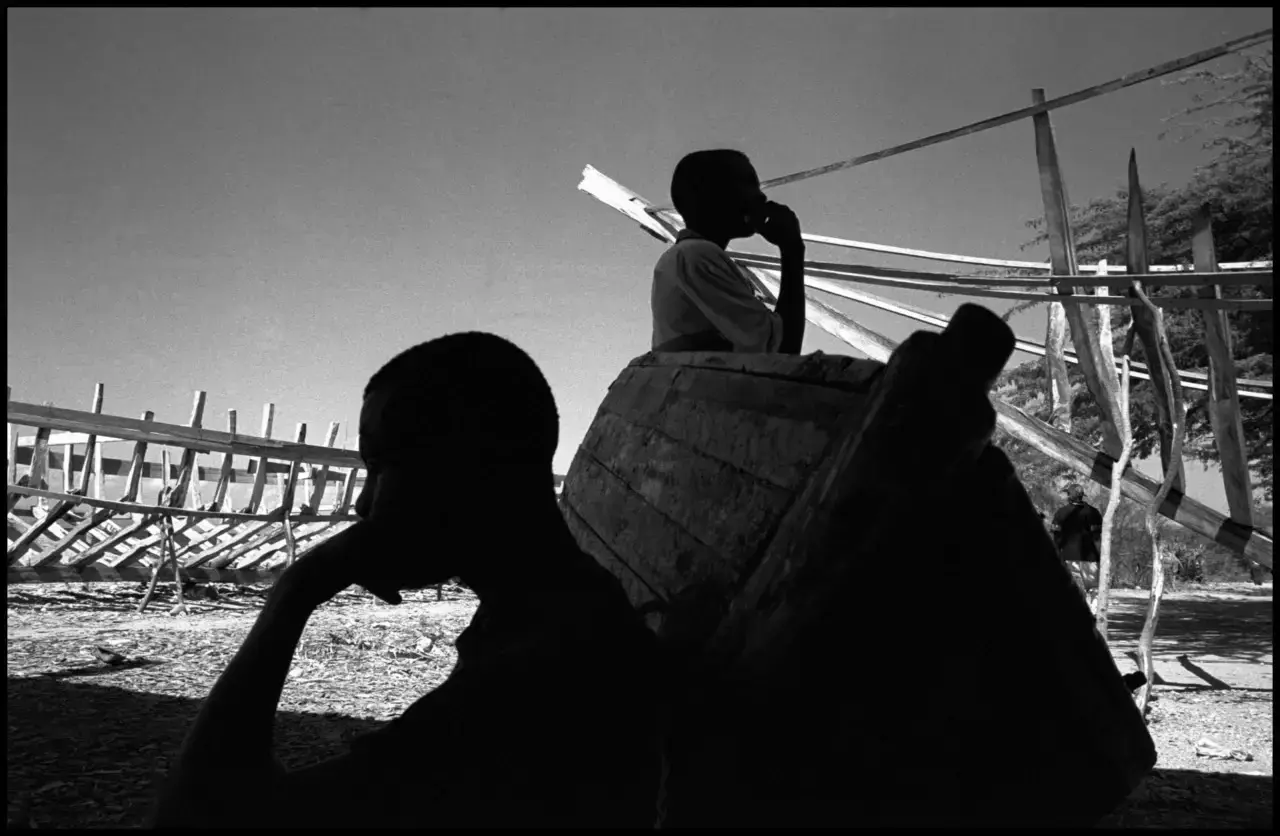
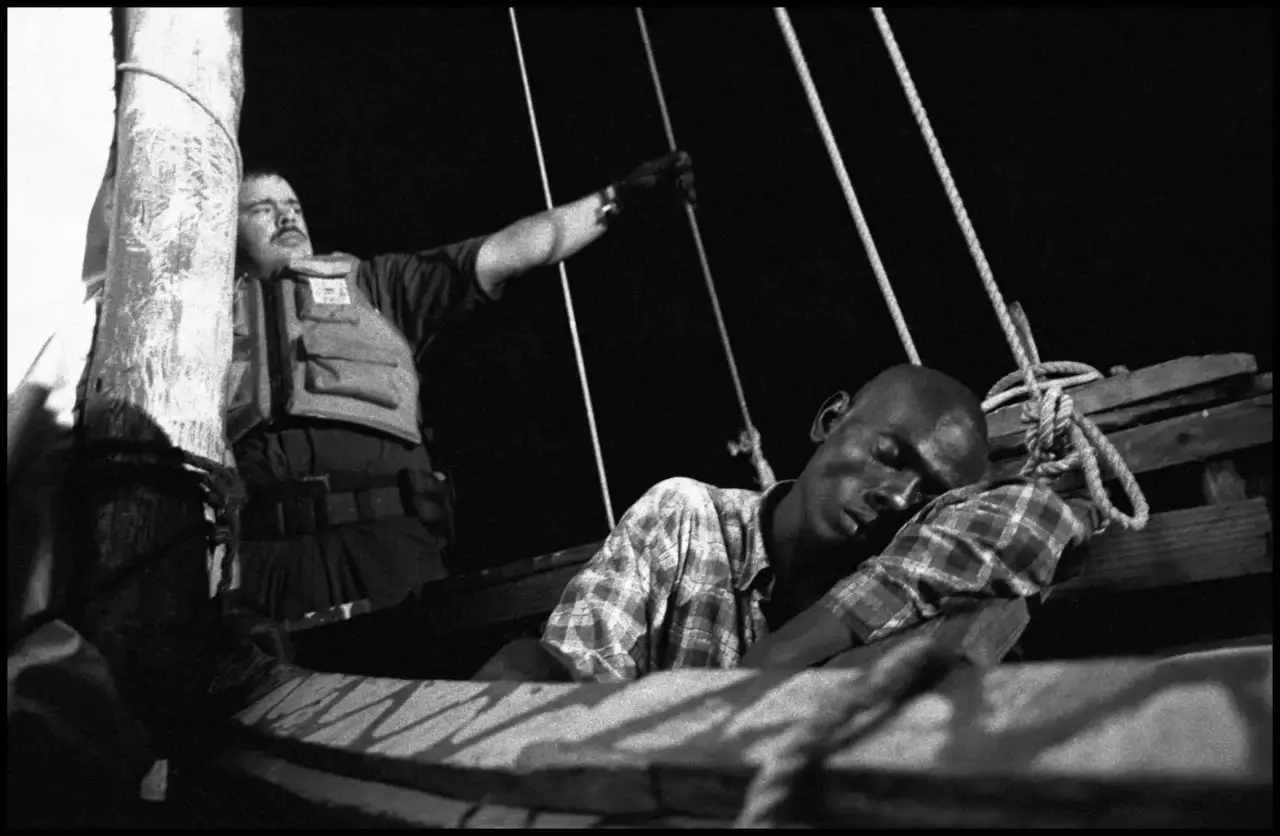
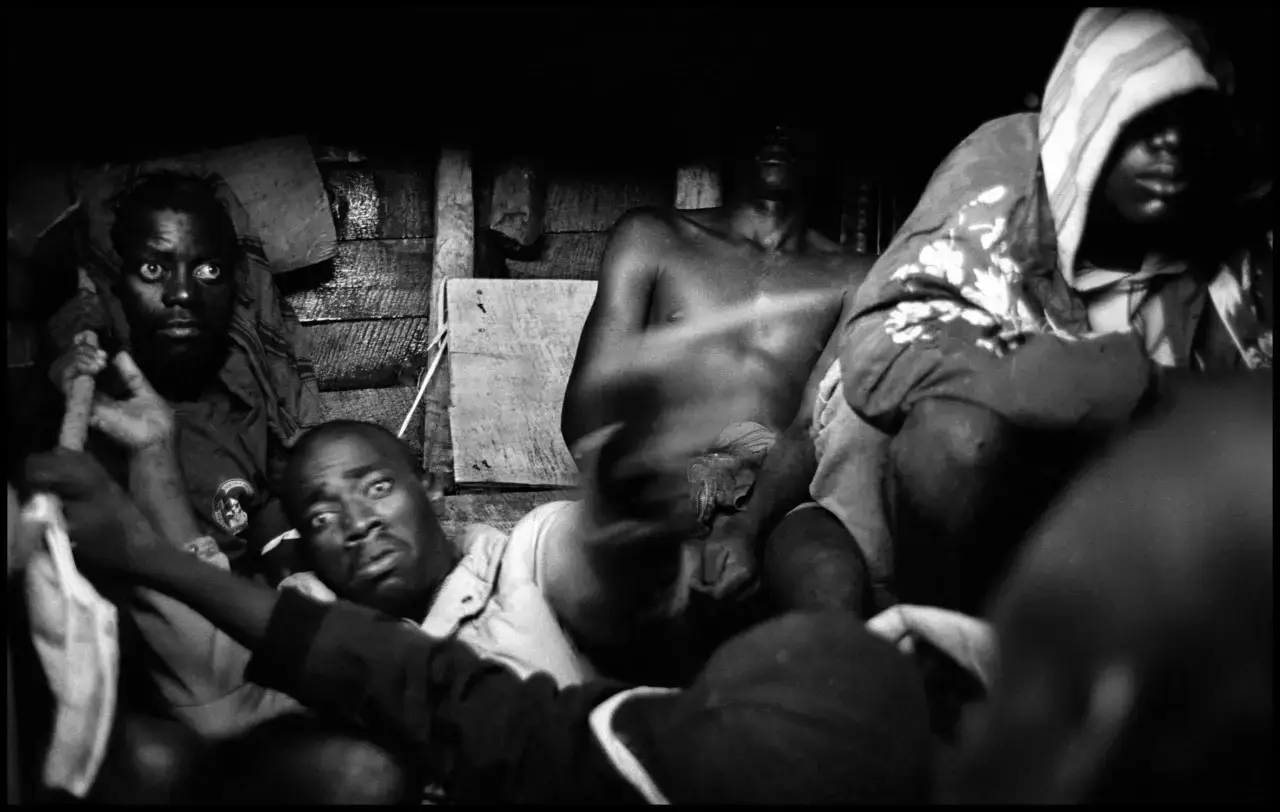
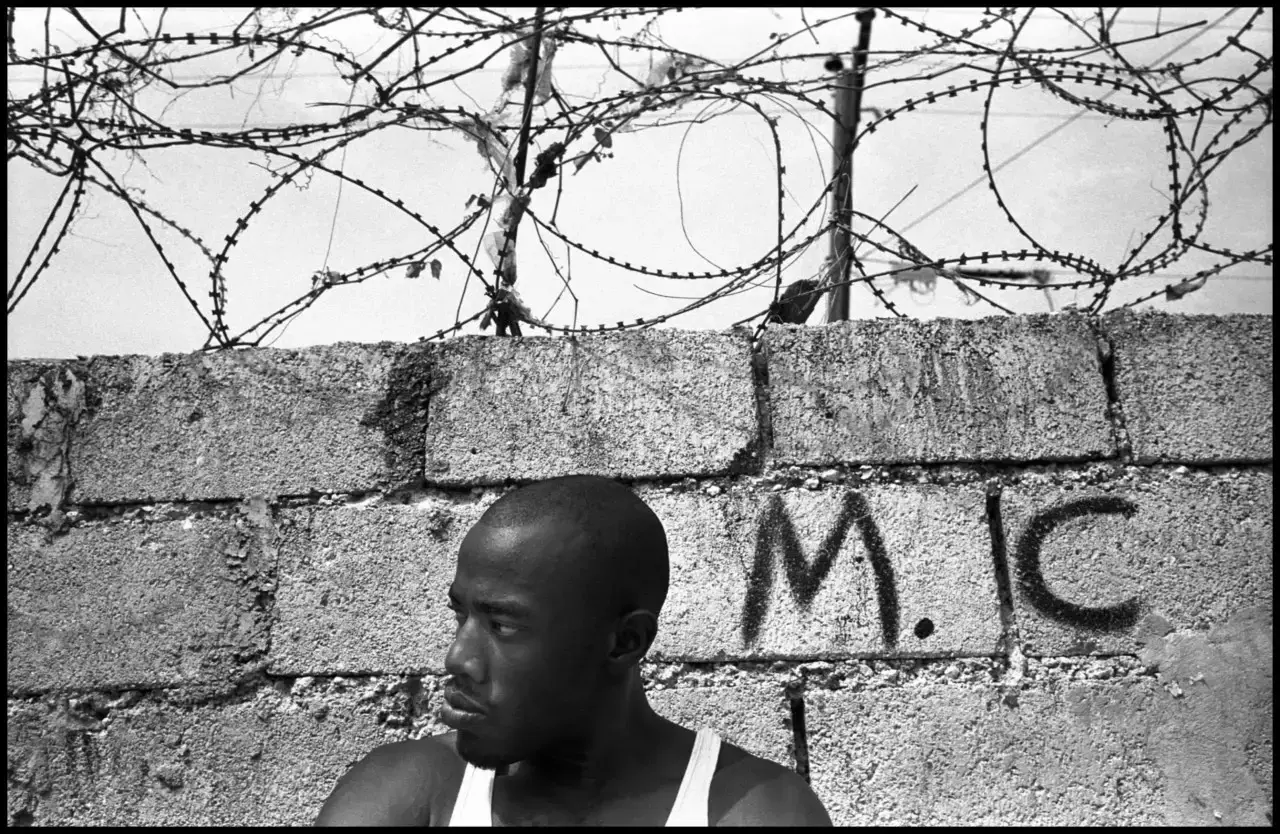
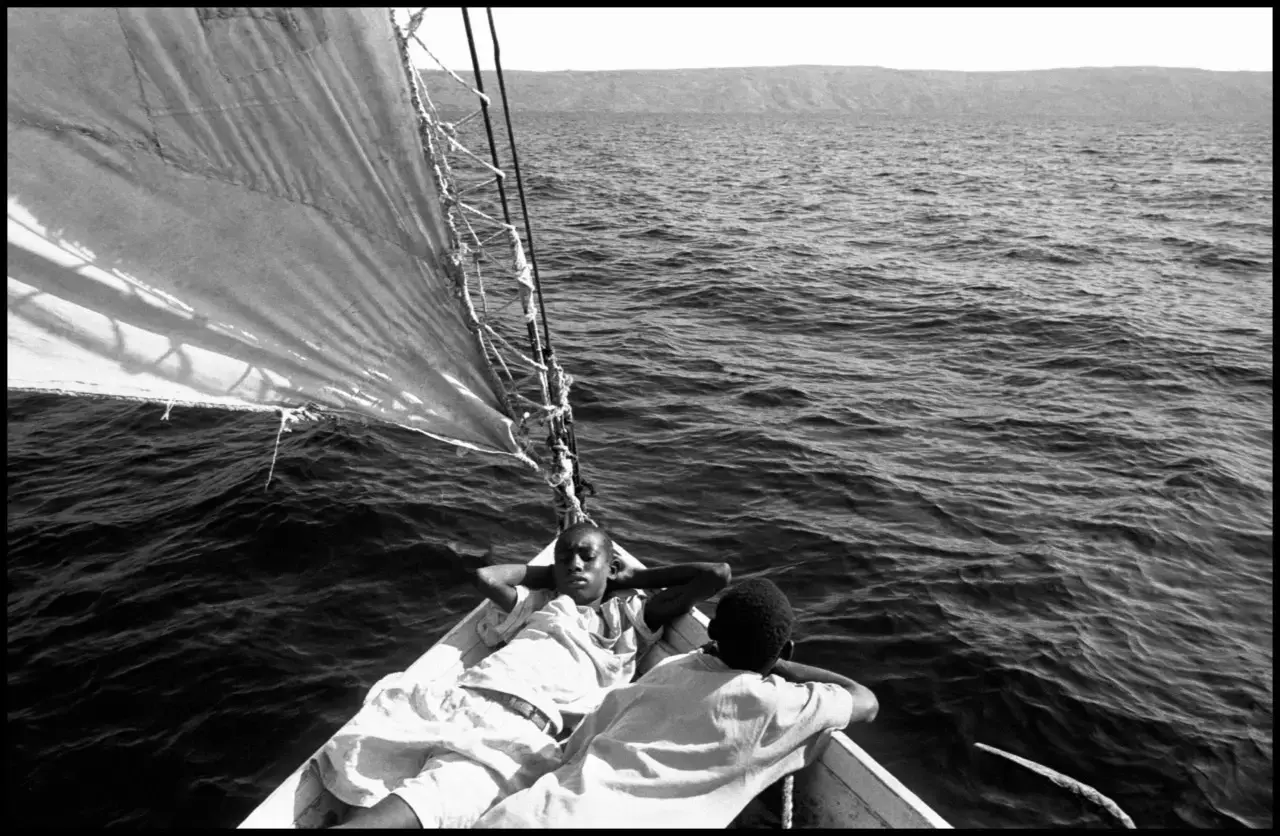
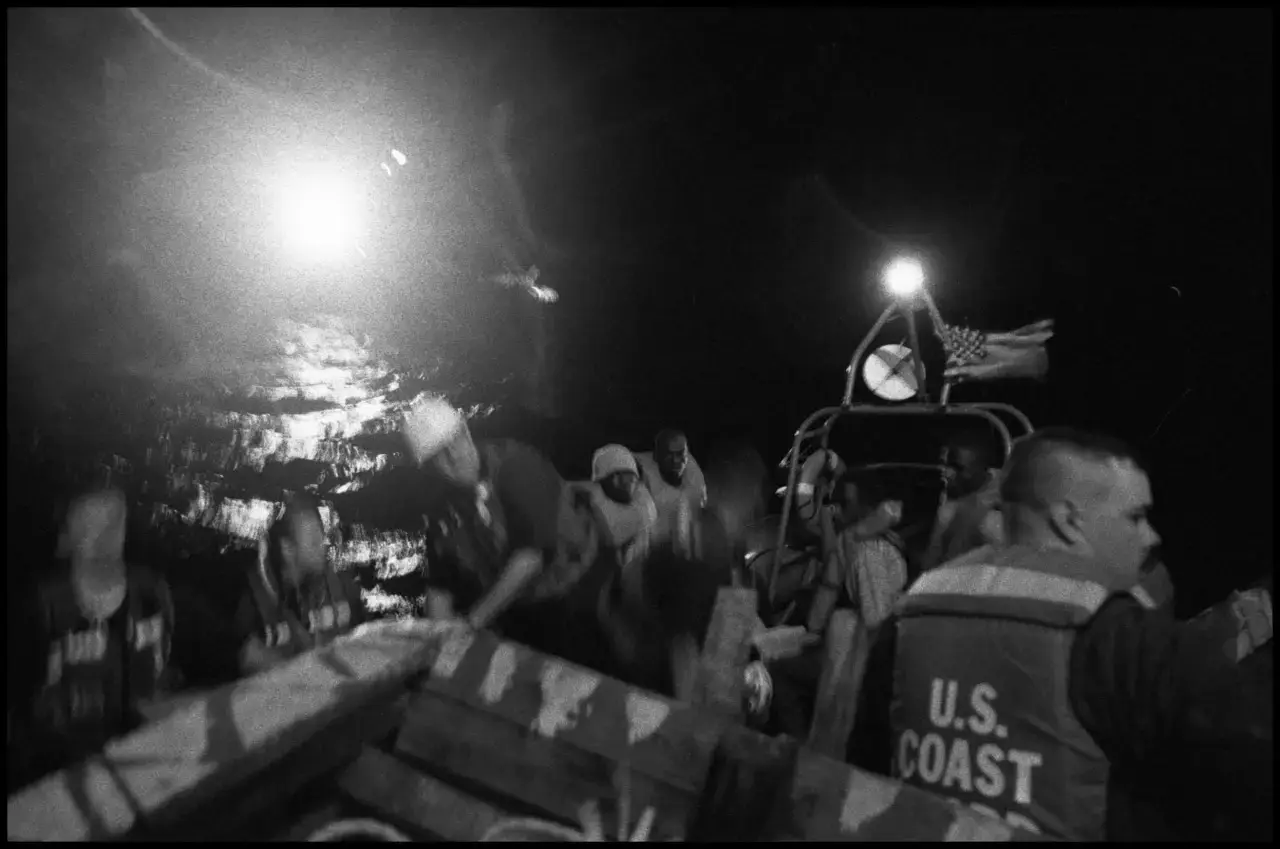
For that work he received the Robert Capa Gold Medal, and in 2000 Kodak named him Young Photographer of the Year.
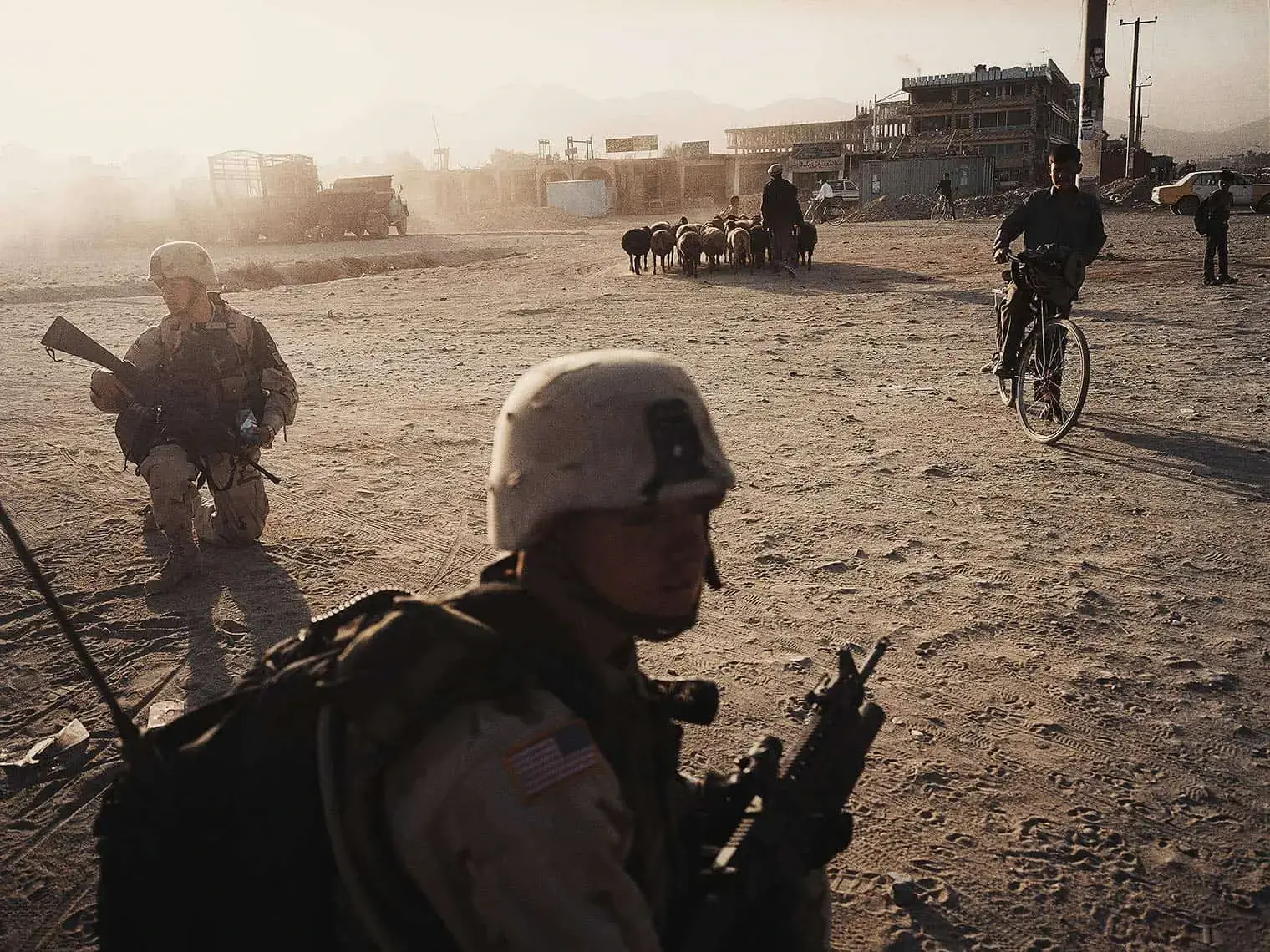
That experience defined his method. Anderson rejected the label of “war photographer”: he did not want to be a supplier of news. His interest lay in subjectivity, in emotional documentation. He formulated it with stark clarity:
I don’t believe in facts, but I am obsessed with truth. It is my truth and my experience
That is how he described his photography — empirical, even confessional.
Soon after Haiti, he photographed Gaza, then worked across Latin America, registering political shifts — including the election of Evo Morales and Venezuela’s transformation under Hugo Chávez. These stories became the basis of his 2009 book Capitolio.
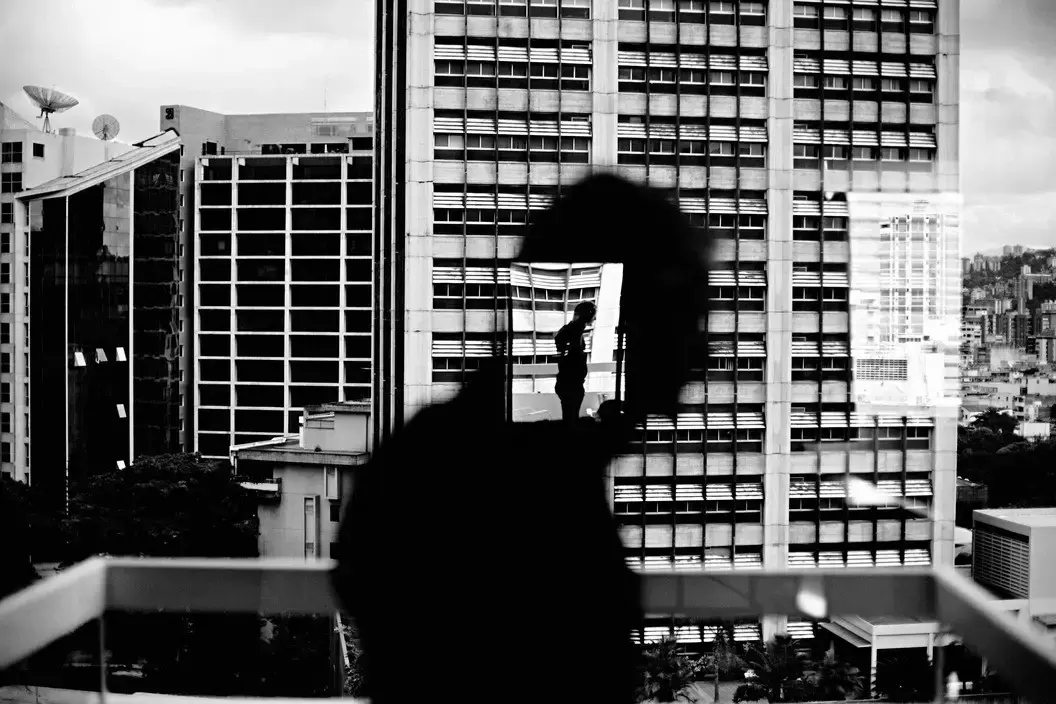
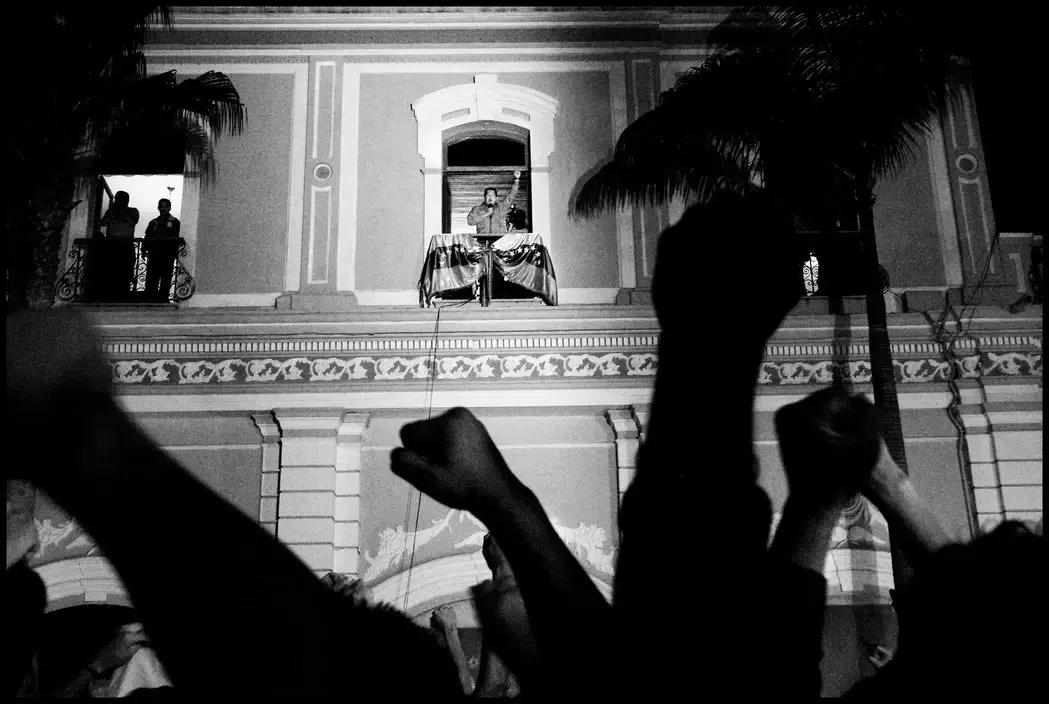
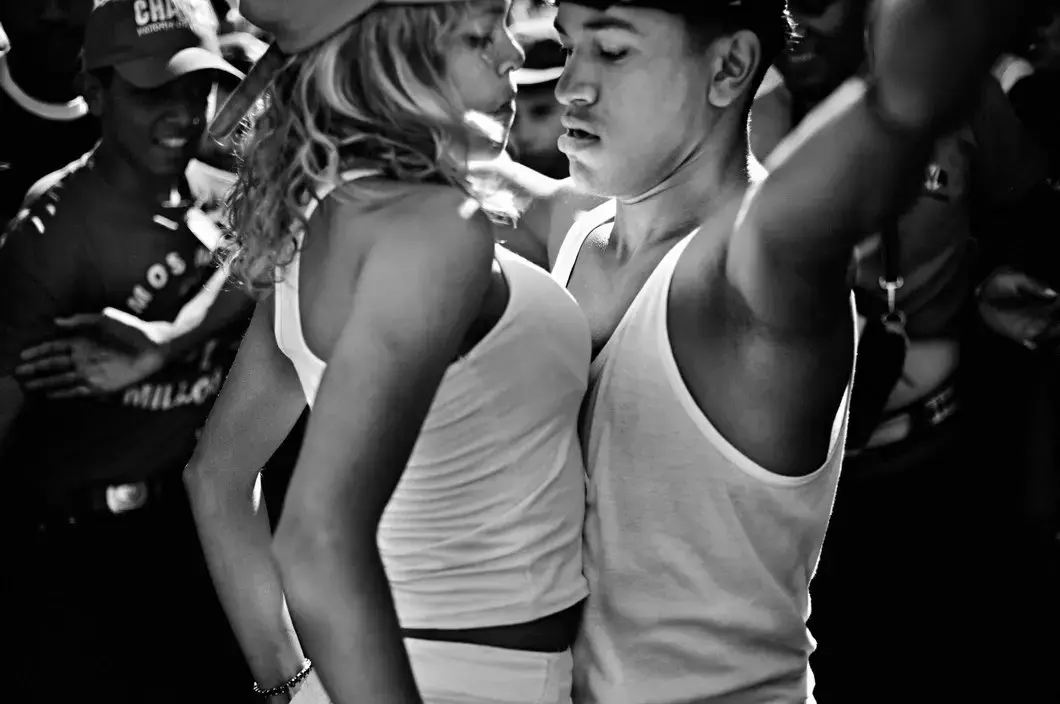
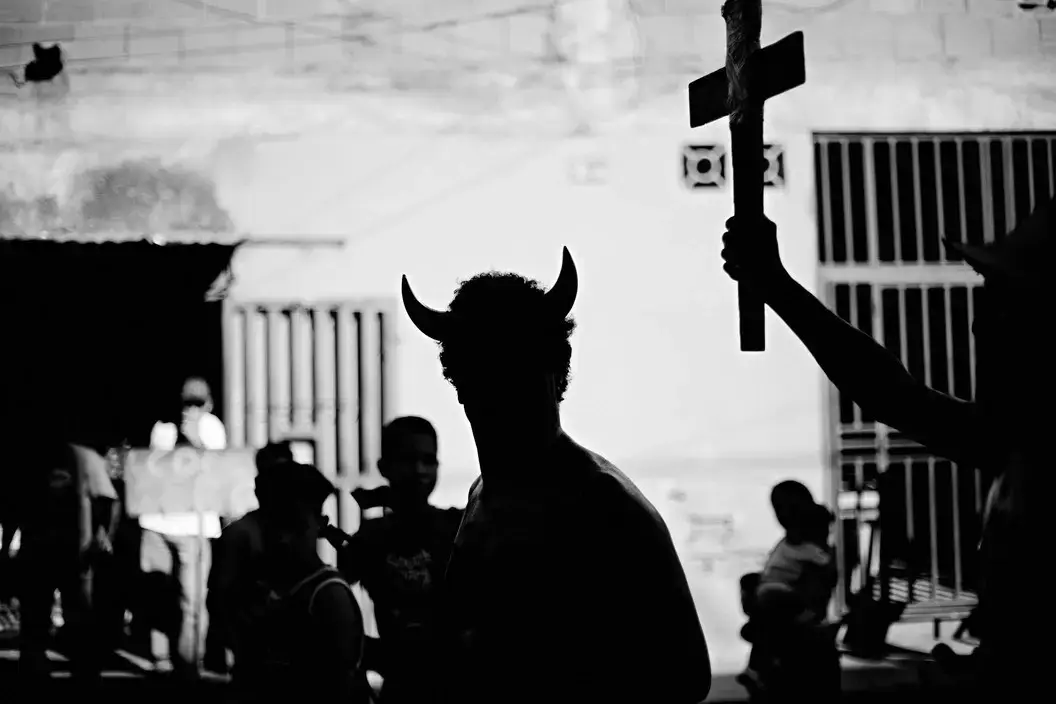
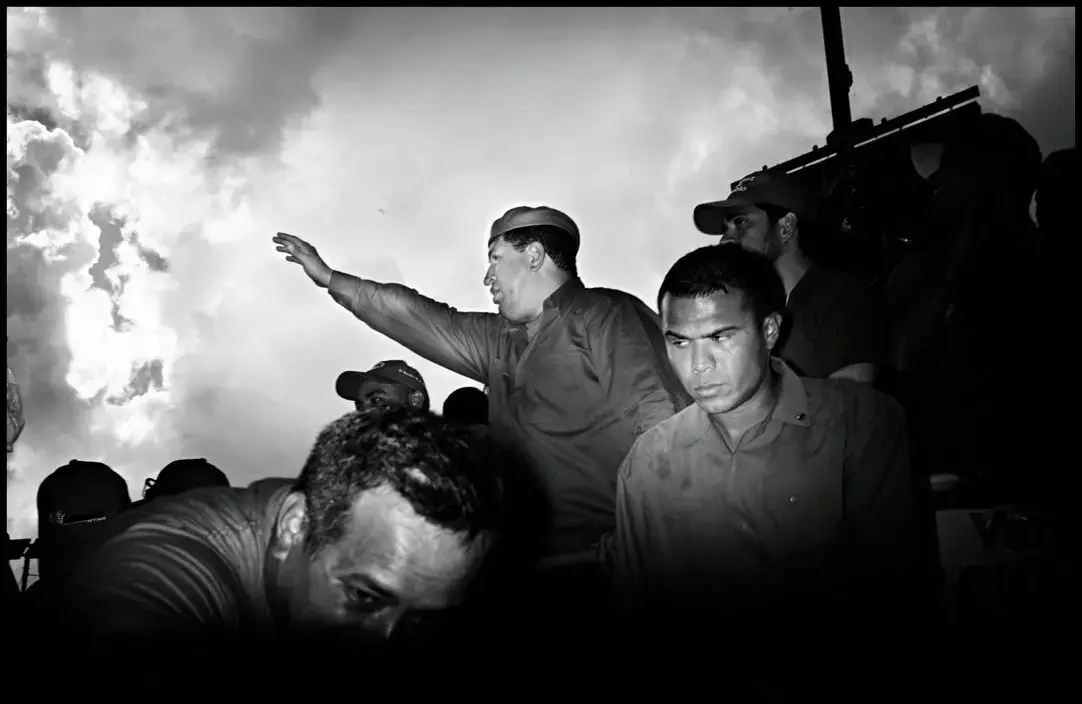
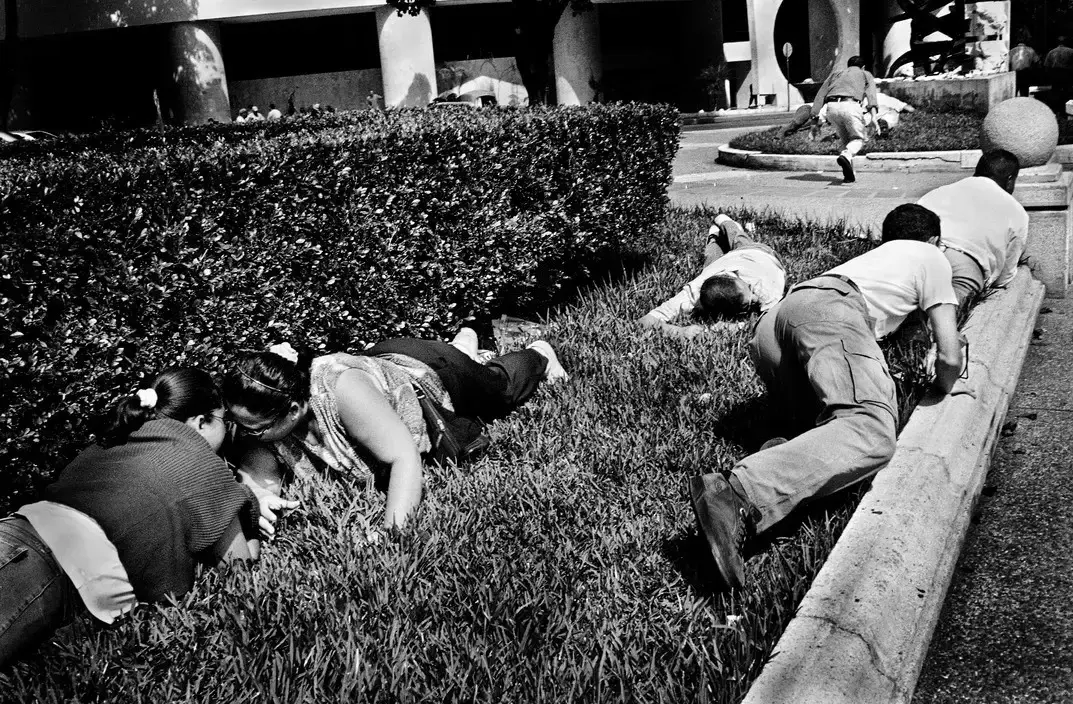
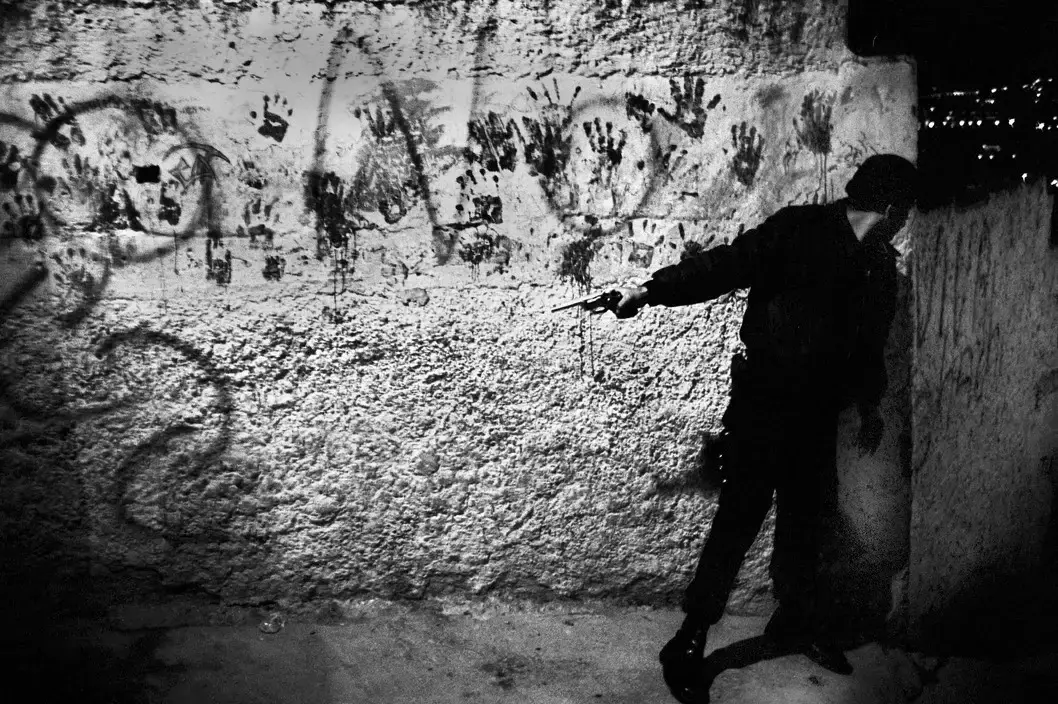
His first monograph, Non-fiction, came out in 2003 — an attempt to secure a newly found language where journalism intertwines with an artistic tone of expression.
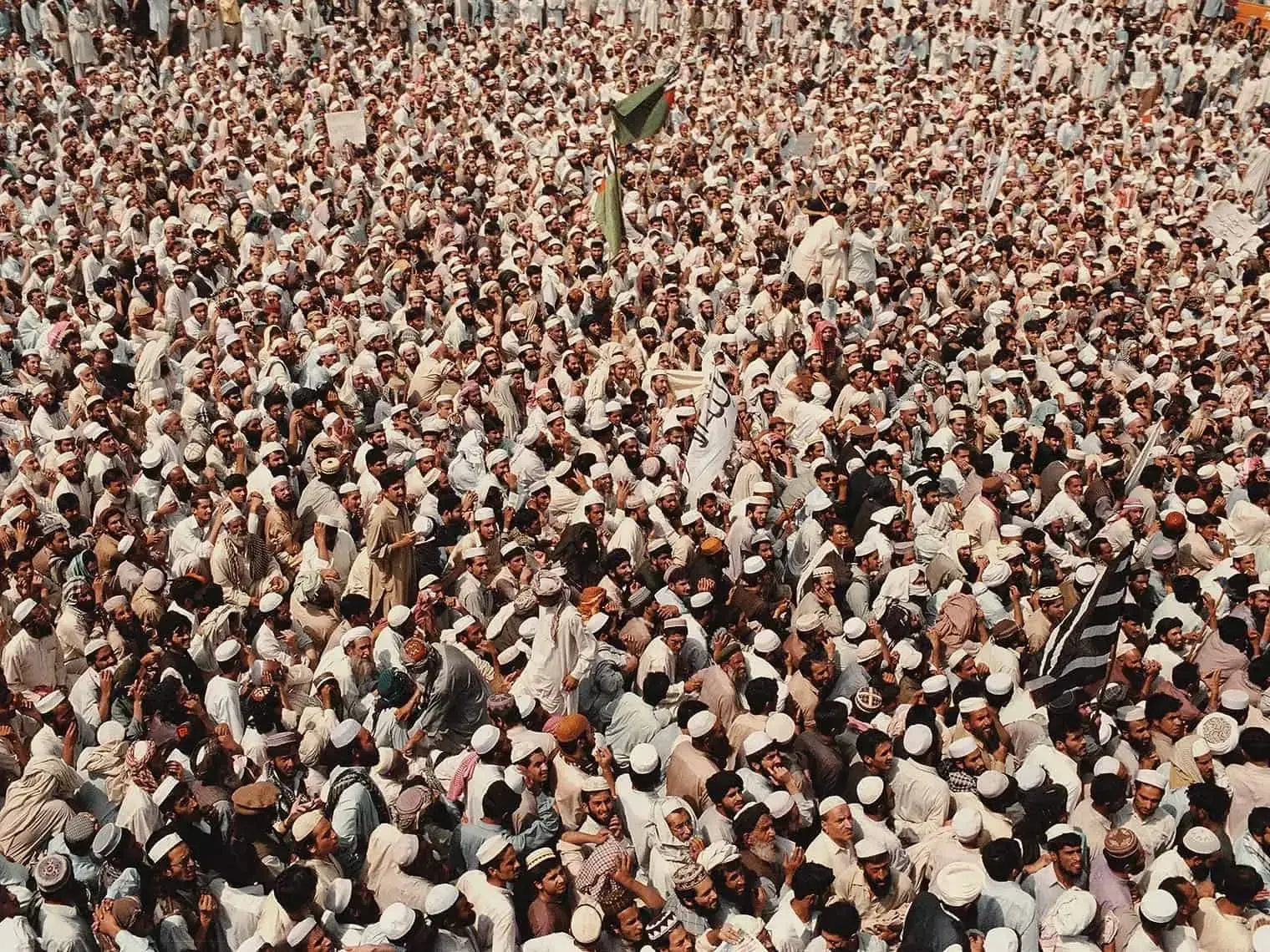
Anderson constantly broadened his thematic range. His portfolio pairs war and political conflict with fashion shows in New York and everyday scenes on coffee plantations. Power and vulnerability interest him equally; the official and the intimate coexist. This breadth is not eclecticism but a principle: photography can be anything — as long as it contains lived experience.
From 2008 to 2012 he worked on one of his most personal projects — the series Son.
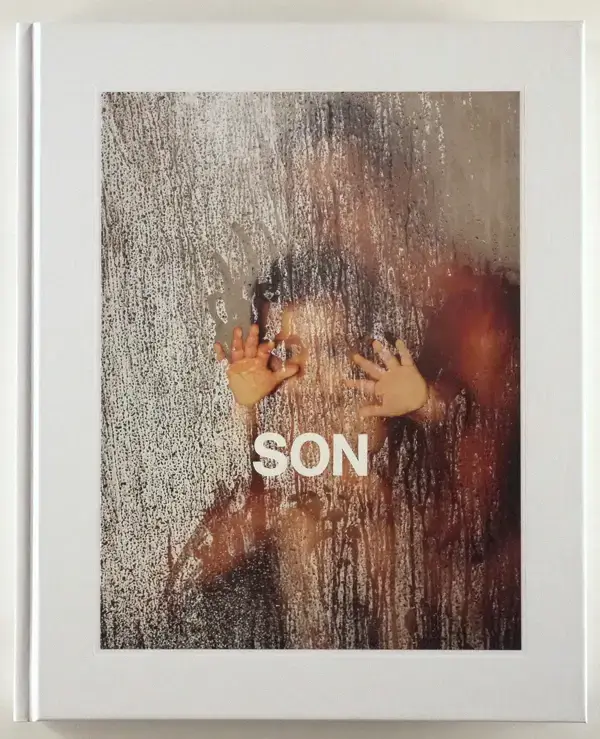
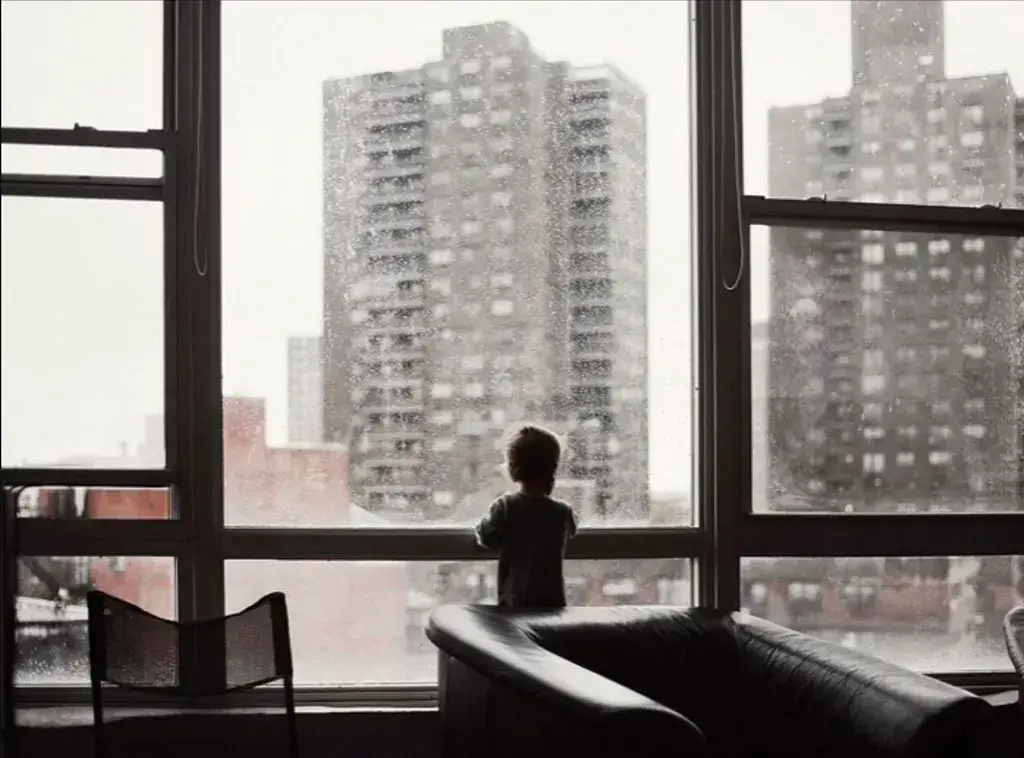
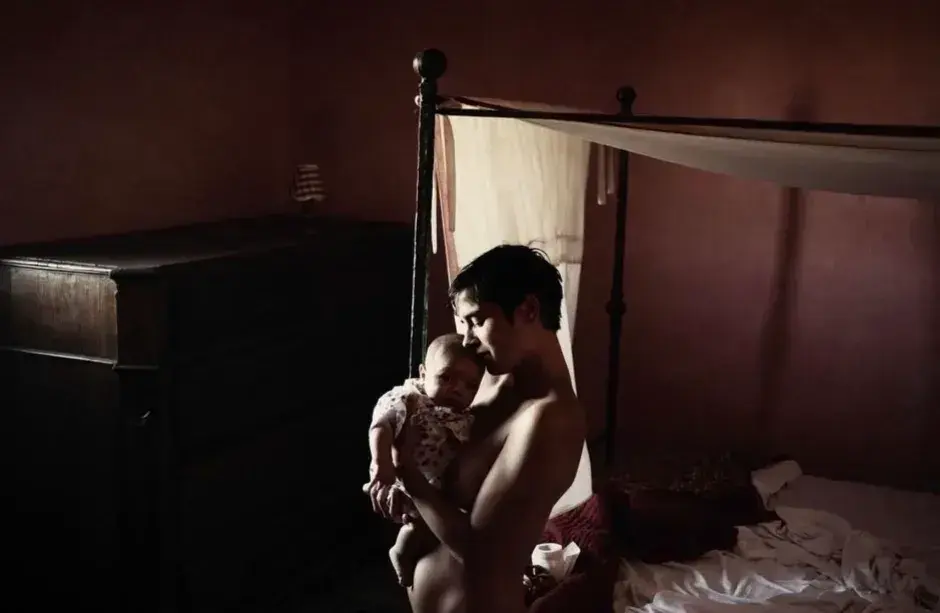
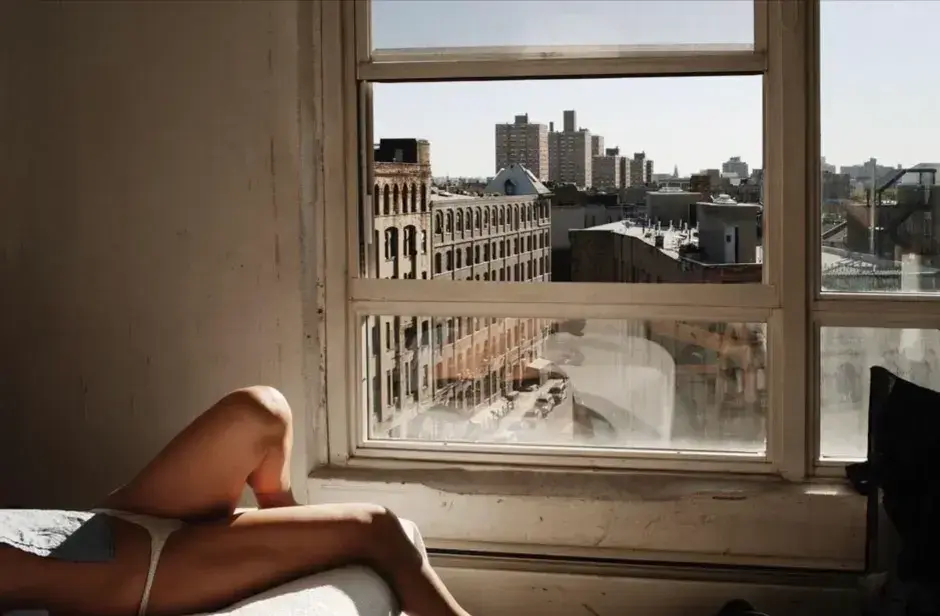
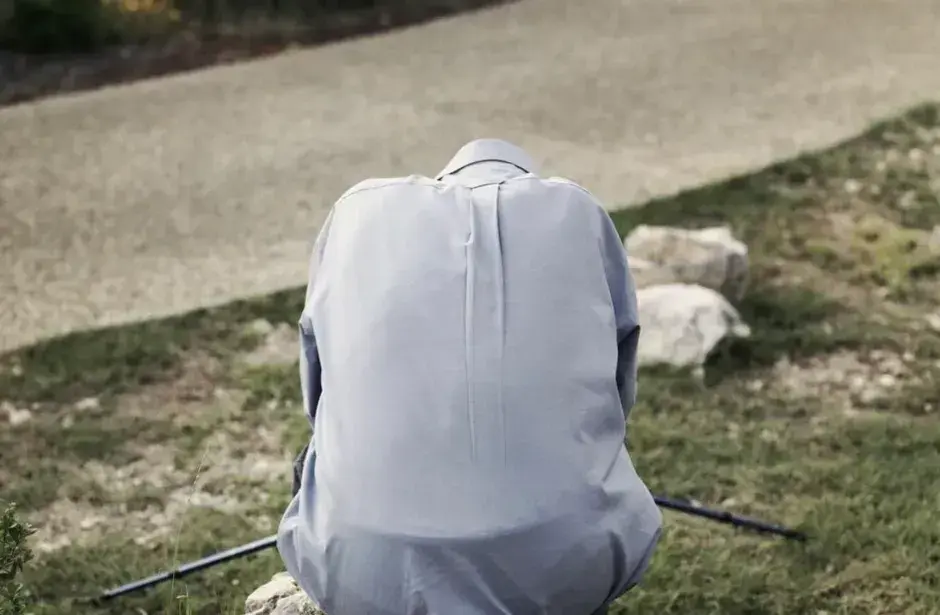
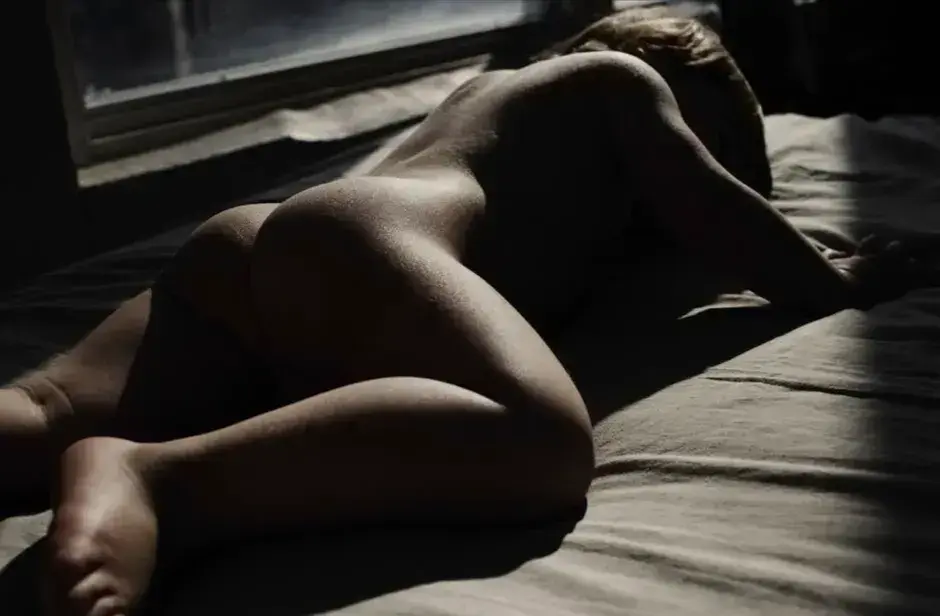
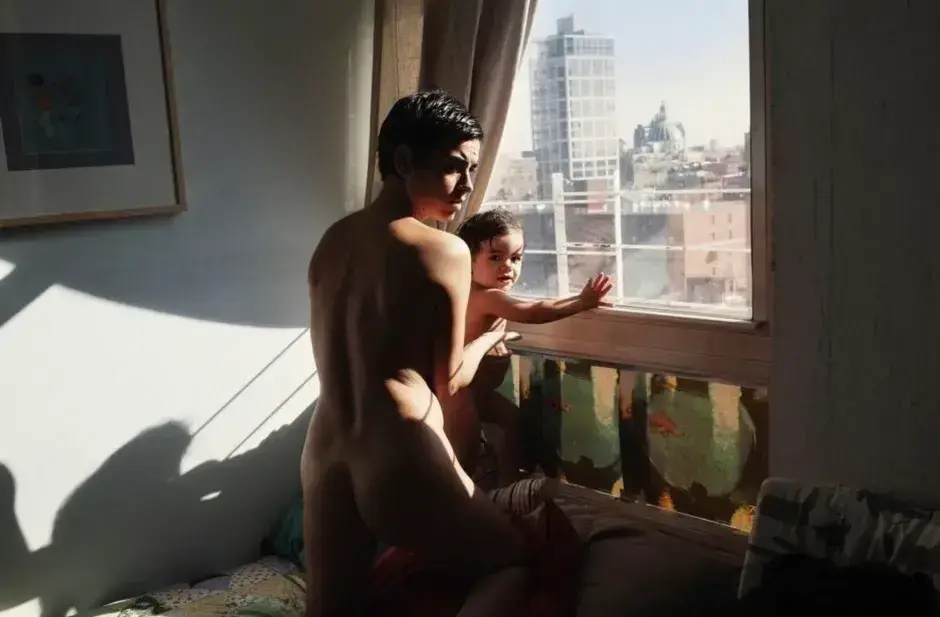

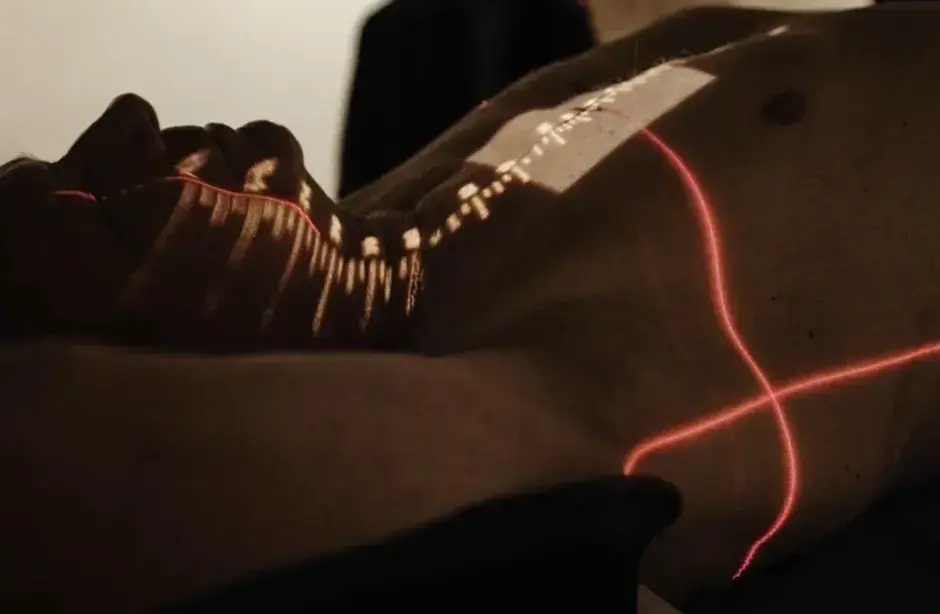
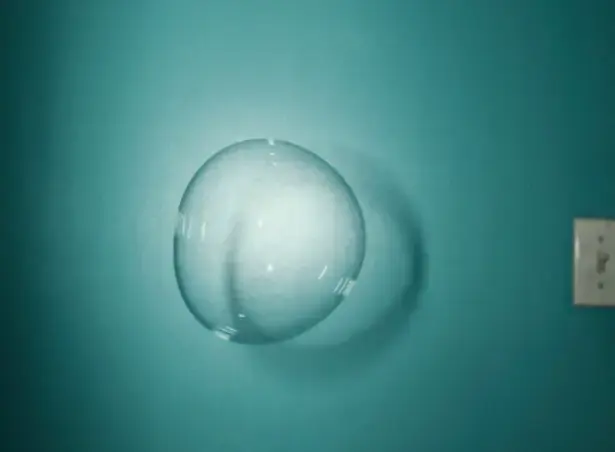
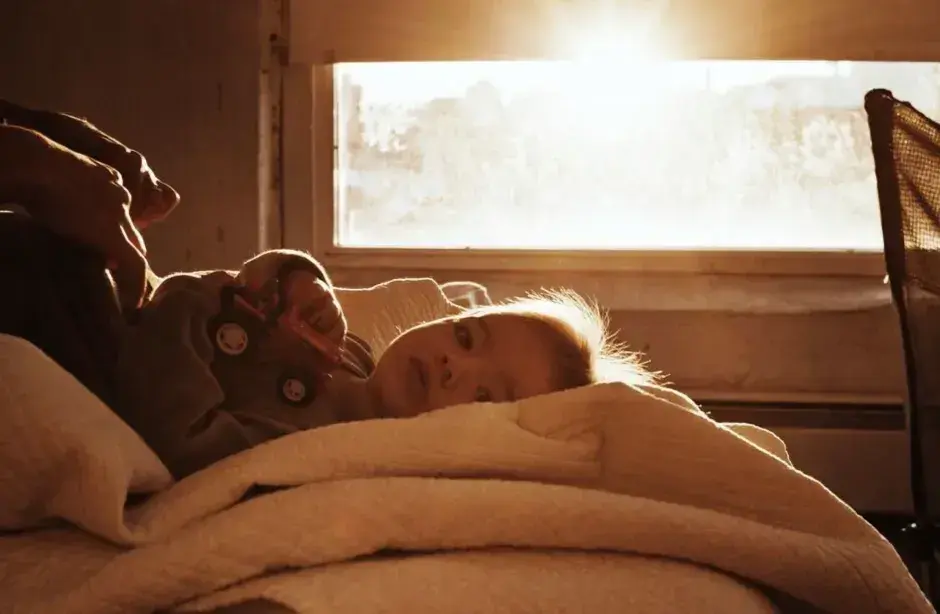
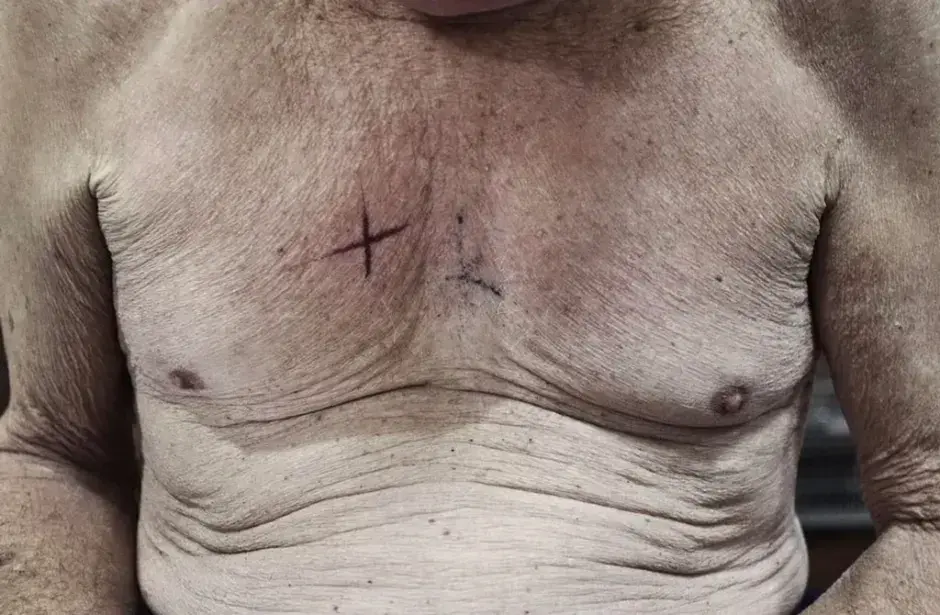
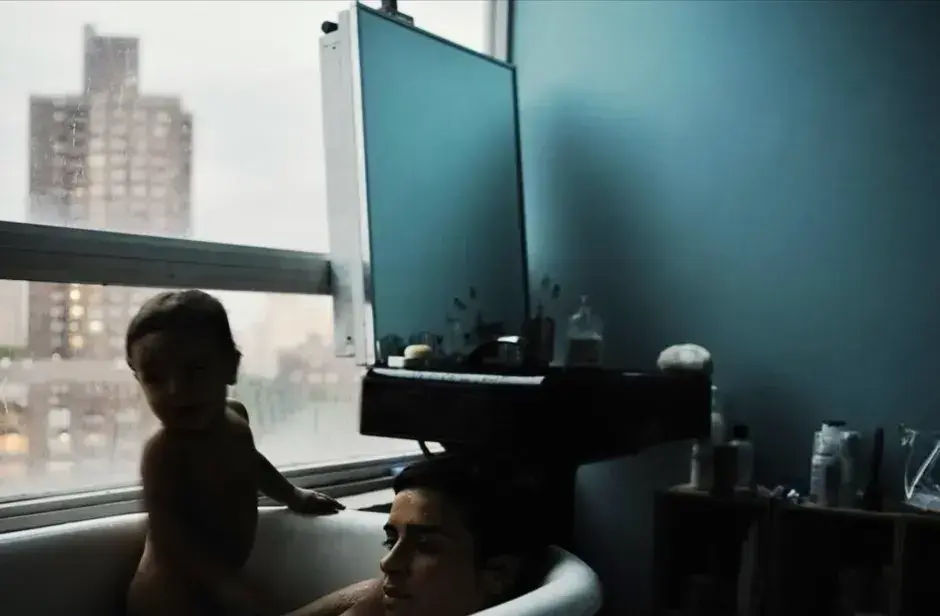
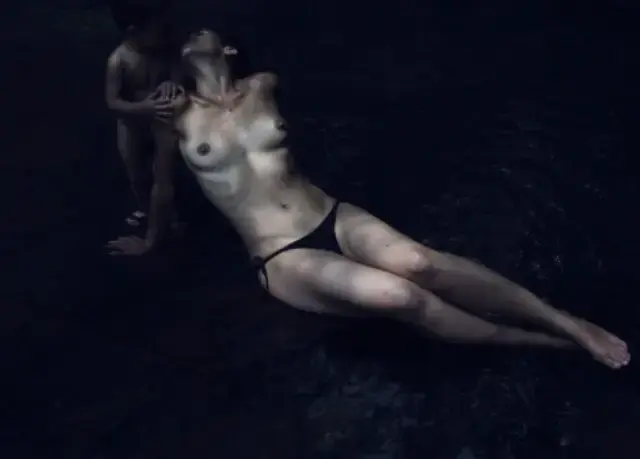
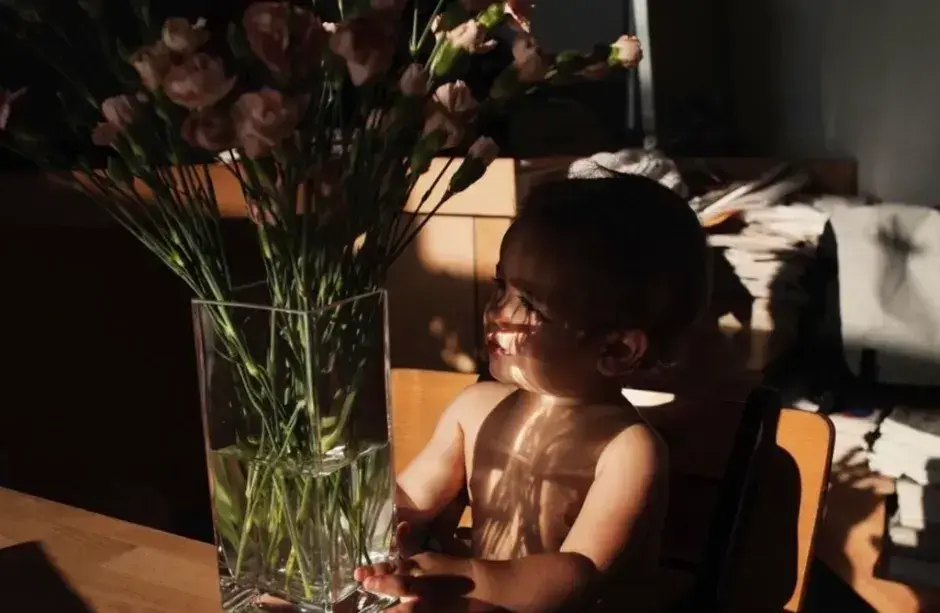
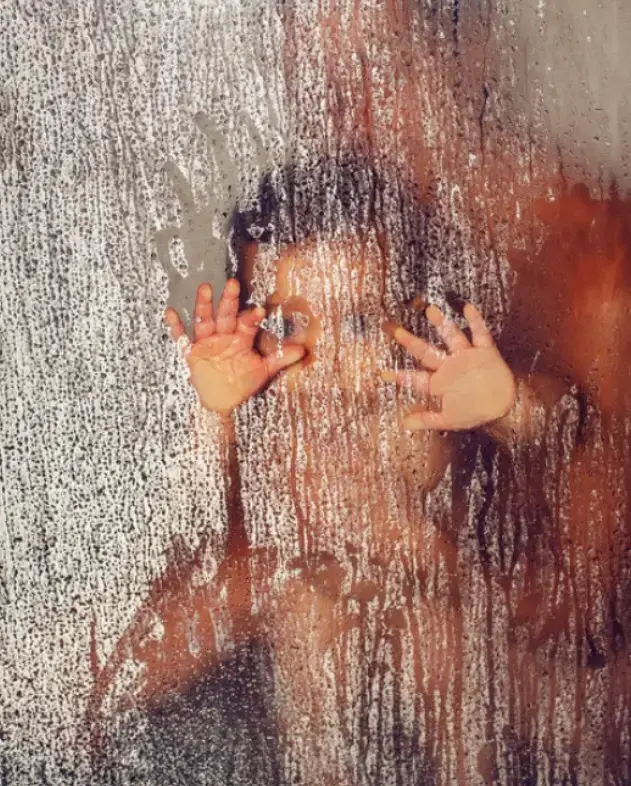
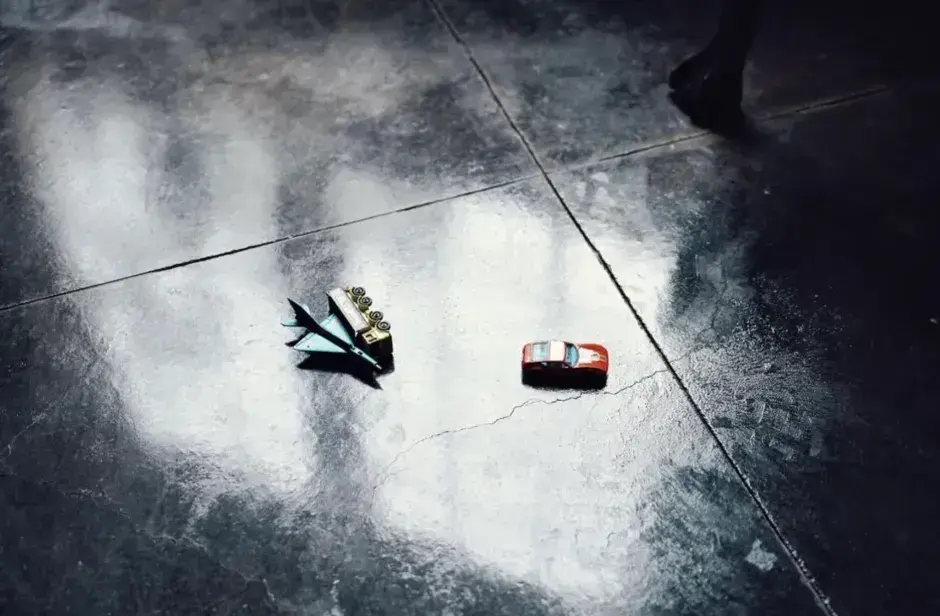
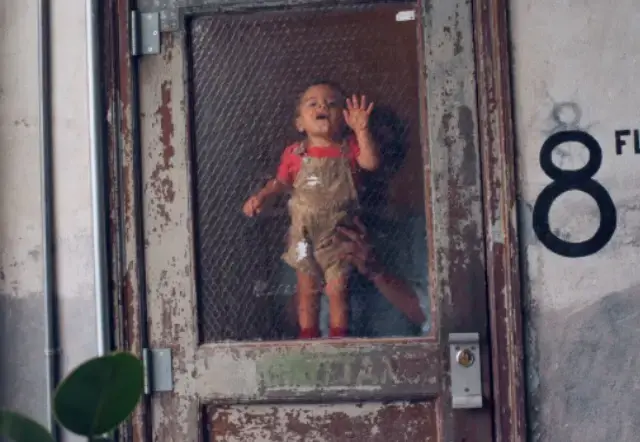
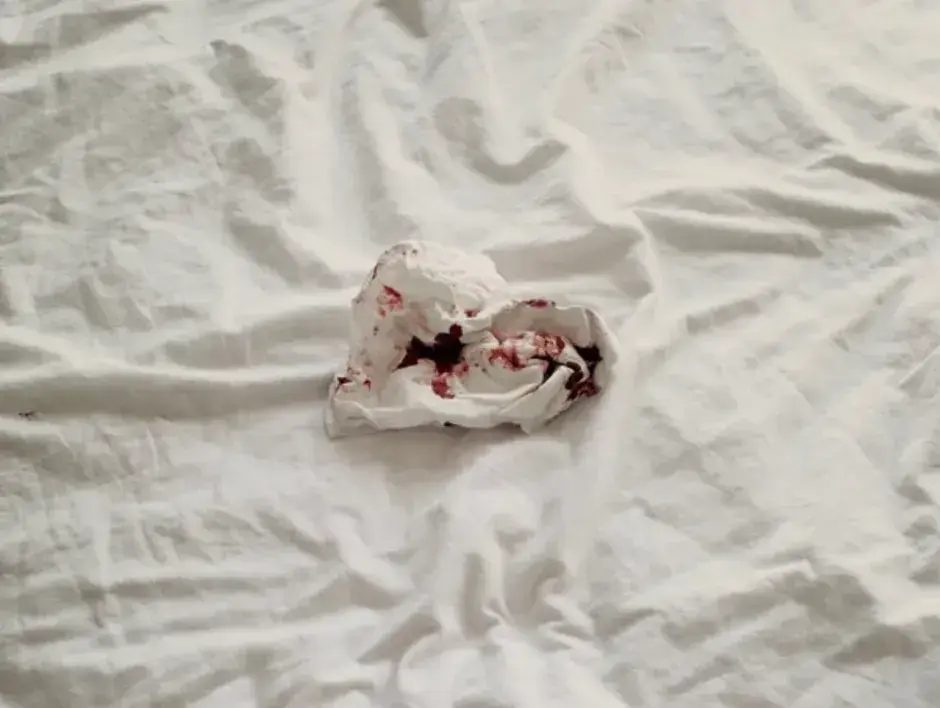
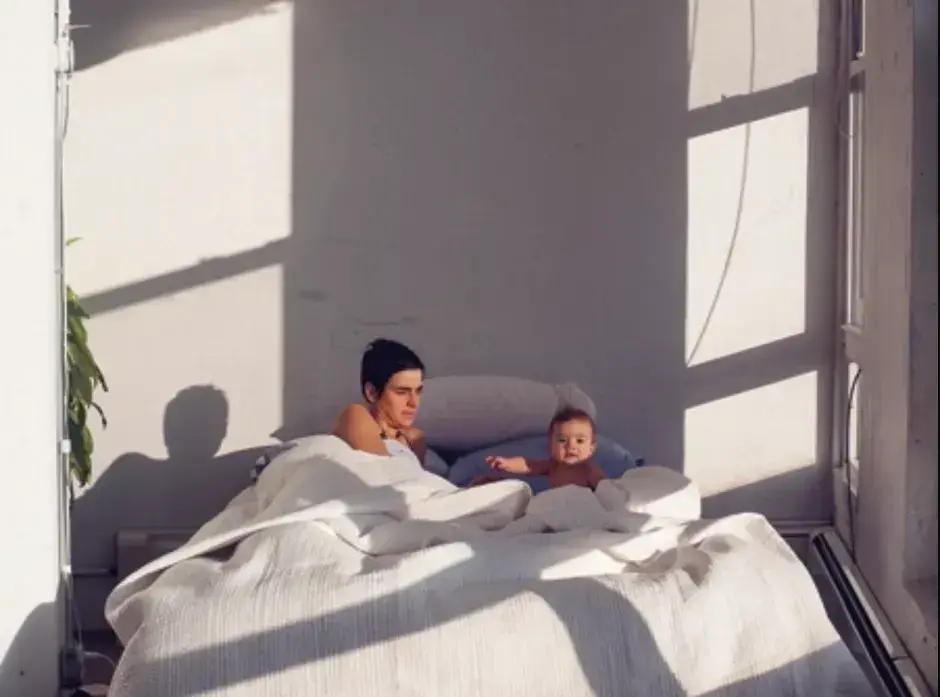
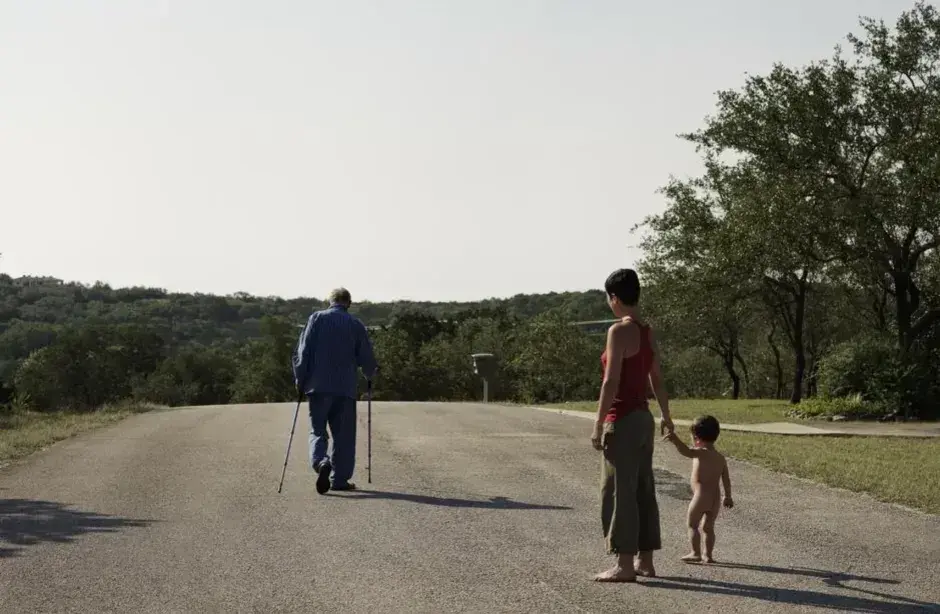
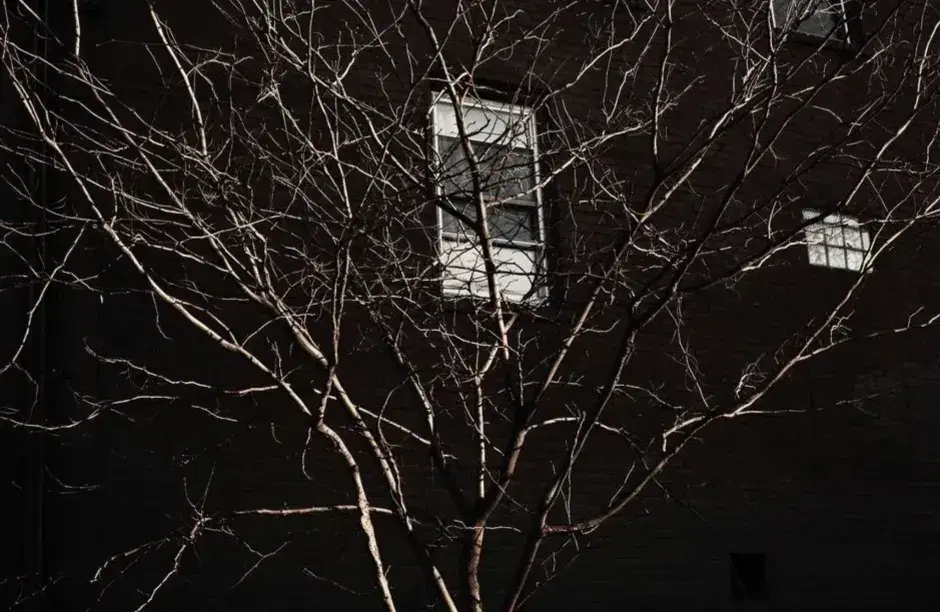
The birth of his child coincided with a harsh trial: his father was diagnosed with lung cancer. Anderson says that through his son he rediscovered his own role as a son, and the series became a reflection on the seasons of life, on love, and on the inevitability of change. “These are notes about love,” he concludes.
At a time when I was experiencing the joy of new life, my father was diagnosed with lung cancer. Through my son I realized a new understanding of my role as a son. These images represent notes about love and reflections on the seasonal nature of life
Over the course of his career Anderson has received the prestigious Visa d’Or award, became a member of the VII Photo Agency, and later — a nominee at Magnum Photos, where he would eventually take a full place.
Today he lives and works in New York, remaining one of those authors who continue pushing documentary photography toward personal testimony.
What draws attention to Anderson most is his influence. Photographers observing him understand: there is no single genre, no rule that cannot be broken. One can combine reportage, art, diary writing, political commentary, and family chronicle — and it will still be photography if it contains sincerity. That is why he is regarded as a representative of a new generation: he dismantles barriers, refuses neutrality, and turns the frame into a way of speaking truth — even if it is the truth of one person.
A very interesting interview with Anderson is available at this link
The Photographic Journal publishes Interviews, Articles, Features, and Photo Essays about Photography and its creative process
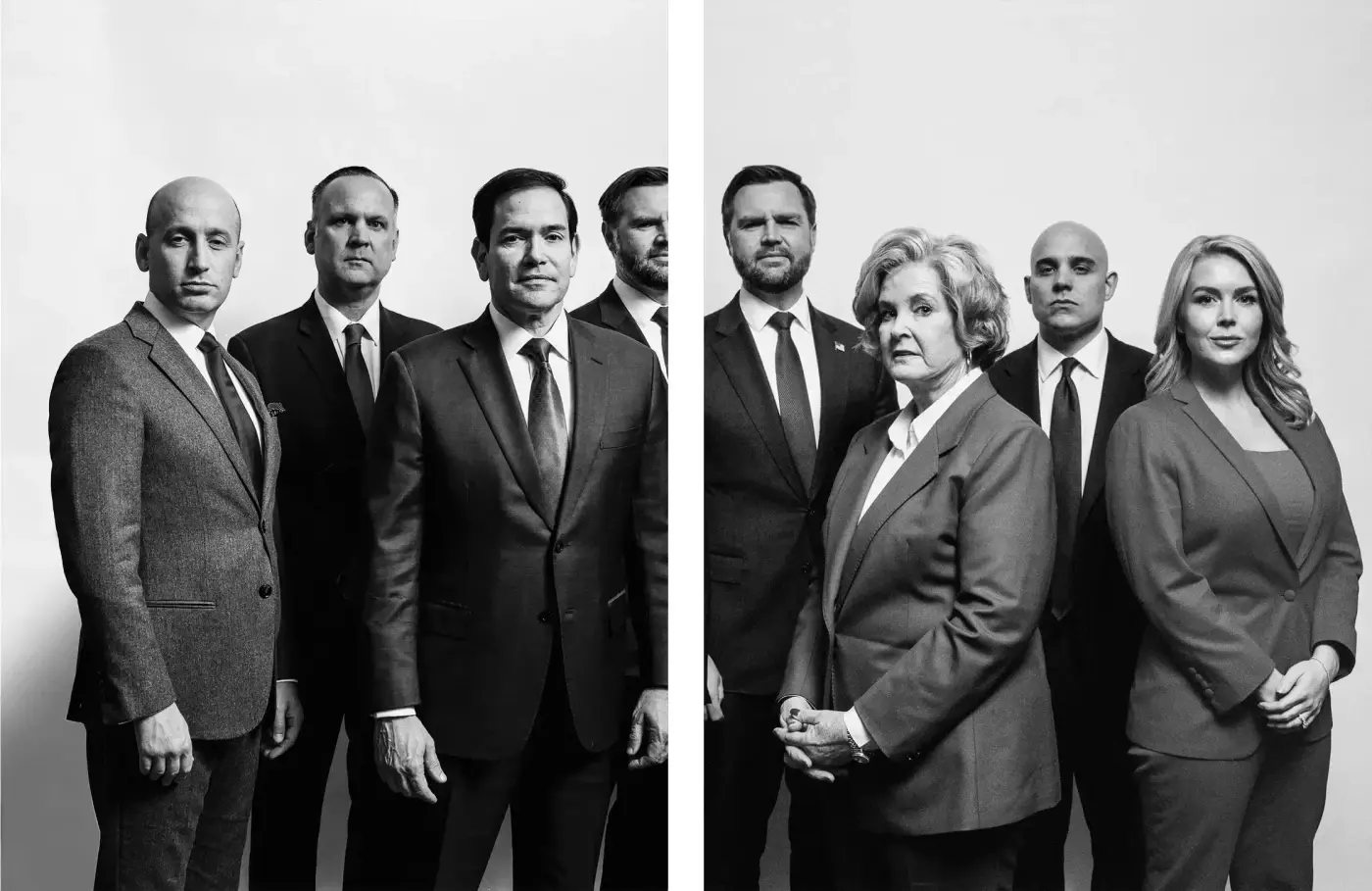
According to Anderson, his goal is to “penetrate the theater of politics” and break through the manufactured image in order to capture something genuine.
The Trump administration offered its own interpretation: a White House spokesperson accused Vanity Fair of deliberately trying “to shoot strangely, edit humiliatingly, and embarrass the subjects”. It was at the intersection of these two approaches — artistic gesture and political self-awareness — that the photoshoot became a textbook story about the boundaries of portrait honesty.

Zheludkov Andrii
CEO at hand-made.world. In case of urgent questions or cooperation, please, drop me a line on [email protected]. I speak English, Ukrainian, Russian.